

Understanding Diabetes: Early Symptoms, Types, and Treatment Side Effects





Last updated on 31 Mar 2026
Diabetes mellitus is a metabolic condition in which the body's blood glucose levels remain persistently high, leading to a cascade of complications that affect nearly every organ system. Insulin, a hormone produced by the pancreas, moves sugar from the blood into cells where it fuels energy. In diabetes, the body either produces too little insulin or cannot use it effectively, leading to glucose building up in the blood instead.
Left unmanaged, diabetes earns its reputation as a silent killer. Symptoms that seem mild or manageable in the short term can quietly develop into serious, life-altering complications over time. Understanding both the disease and its side effects gives you the knowledge to act before they take hold.
Key Takeaways
|
What Is Diabetes?
The ICMR-INDIAB national study in 2025 found that the overall prevalence of diabetes in India is 11.4% and prediabetes is 15.3%, meaning over a quarter of India's adult population already has either diabetes or is at high risk of developing it.
Some people ask what diabetes is. Diabetes is a metabolic condition characterised by chronically elevated blood glucose levels. When the body cannot produce or effectively use insulin, glucose accumulates in the bloodstream rather than entering the cells that need it for energy.
Over time, this excess glucose damages blood vessels and nerves throughout the body, triggering a wide range of serious health complications.
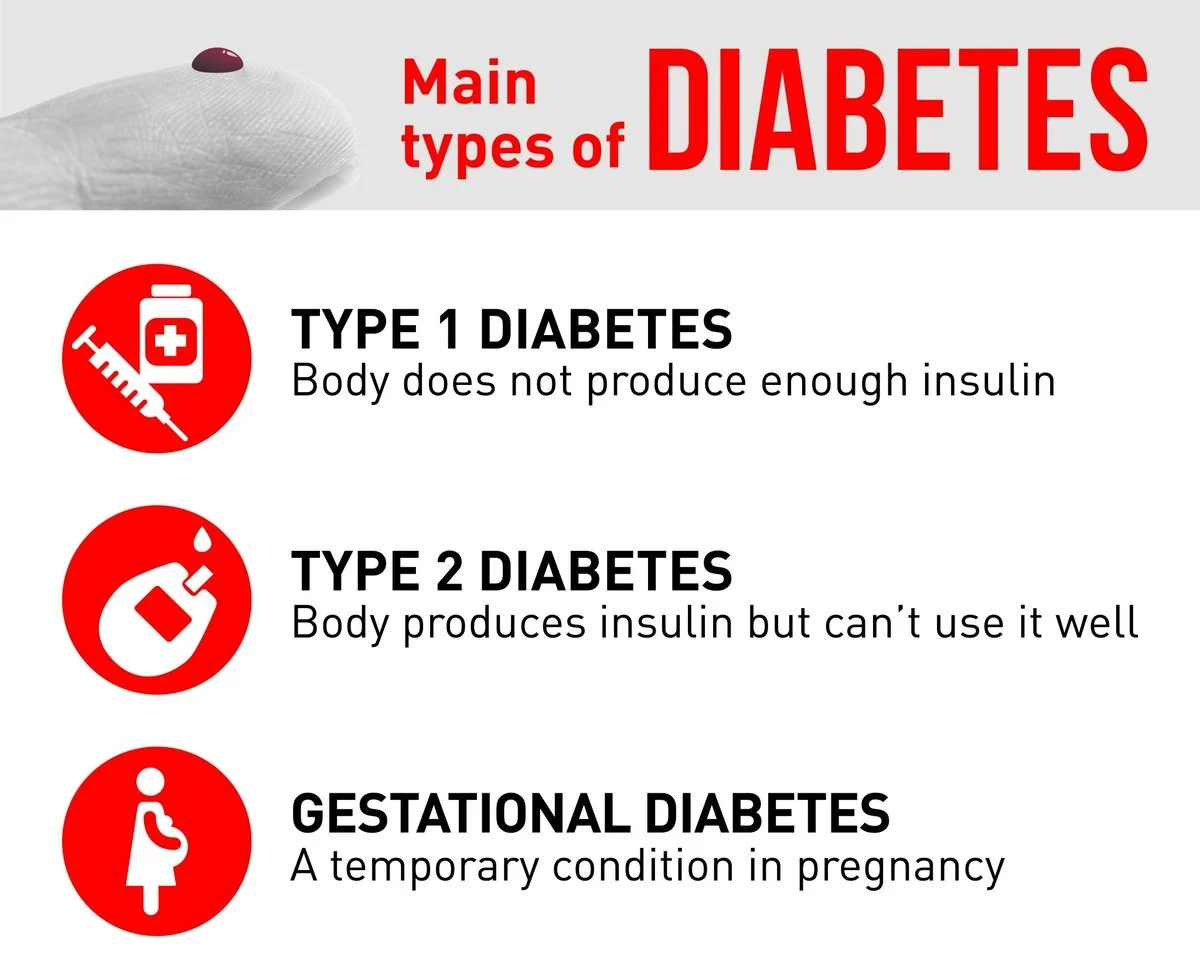
There are 2 types of diabetes:
1. Type 1
2. Type 2
Both affect insulin function but through different mechanisms and with different risk profiles.
Types of Diabetes
Diabetes is broadly classified into two main types based on how the body produces or responds to insulin. Understanding the types of diabetes helps in identifying the right treatment approach and long-term management strategy. While both types lead to high blood sugar levels, their causes, onset, and treatment differ significantly.
Feature | Type 1 Diabetes | Type 2 Diabetes |
Cause | Autoimmune destruction of insulin-producing cells | Insulin resistance and reduced insulin production |
Onset | Usually childhood or early adulthood | Usually, adulthood is increasing in younger populations |
Prevalence | Around 10% of cases | Around 90% of cases |
Treatment | Lifelong insulin therapy | Lifestyle changes, oral medicines, or insulin |
Type 1 Diabetes: What You Need to Know
Type 1 diabetes is an autoimmune condition in which the immune system mistakenly attacks and destroys the insulin-producing cells in the pancreas. As a result, the body produces little to no insulin. Although it is most commonly diagnosed in children and young people, type 1 diabetes can develop at any age. It accounts for approximately 10 per cent of all diabetes cases.
Why type 1 diabetes occurs is still unclear. However, research indicates that a combination of genetic and viral factors triggers an abnormal immune response. People suffering from type 1 diabetes require lifelong insulin therapy, since their bodies produce no insulin.
Insulin treatment could be via injections or continuous subcutaneous infusion. No cure currently exists, despite extensive ongoing research.
Type 1 diabetes raises the risk of several serious complications, including:
Pregnancy complications: Miscarriage, Stillbirth, and Birth defects.
Cardiovascular disease: High blood pressure and heart attack risk.
Nerve damage: peripheral neuropathy, nephropathy, retinopathy.
Type 2 Diabetes: What You Need to Know
Dr Anoop Misra, Chairman of Fortis C-DOC Centre of Excellence for Diabetes, Metabolic Diseases and Endocrinology, New Delhi, has stated that abdominal obesity, even in Indians who appear slim by conventional weight standards, is one of the strongest and most underappreciated drivers of insulin resistance and type 2 diabetes in India.
Type 2 diabetes is the more common form of diabetes. It affects the body’s response to glucose. The body either fails to produce enough insulin or develops insulin resistance, leading to elevated blood glucose levels.
It could be due to lifestyle and genetic factors, such as obesity. It is important to note that excess abdominal fat is one of the strongest modifiable risk factors.
Kindly note that when type 2 diabetes is not treated or managed, one may develop serious complications. These include:
Hearing impairment.
Nerve damage causing nausea, vomiting, diarrhoea, and Constipation.
Slow wound healing.
Cataracts.
Glaucoma.
Kidney disease requiring dialysis or transplant.

Common Symptoms of Diabetes
Diabetes produces a range of symptoms that vary in severity and often develop gradually. Common signs include excessive thirst, dry skin, unexplained weight loss, blurred vision, persistent tiredness and fatigue, and frequent urination at night.
Diabetes symptoms can also differ between men and women. Men with diabetes may experience poor muscle strength and weakened cardiovascular health. Women may develop recurrent yeast infections, urinary tract infections, and dry, itchy skin alongside the general symptoms.
When symptoms go unaddressed, they frequently progress into longer-term side effects, including nerve damage, vision impairment, gum disease, persistent fatigue, slow-healing sores, cardiovascular disease, and foot ulcers.
How Is Diabetes Diagnosed?
In 2025, RSSDI defined overweight as BMI ≥ 23 kg/m² and obesity as BMI ≥ 25 kg/m², lower cut-offs than global standards, because Indians carry greater metabolic risk at lower body weights
.
Diagnosis relies on standard blood tests recommended by ICMR and RSSDI.
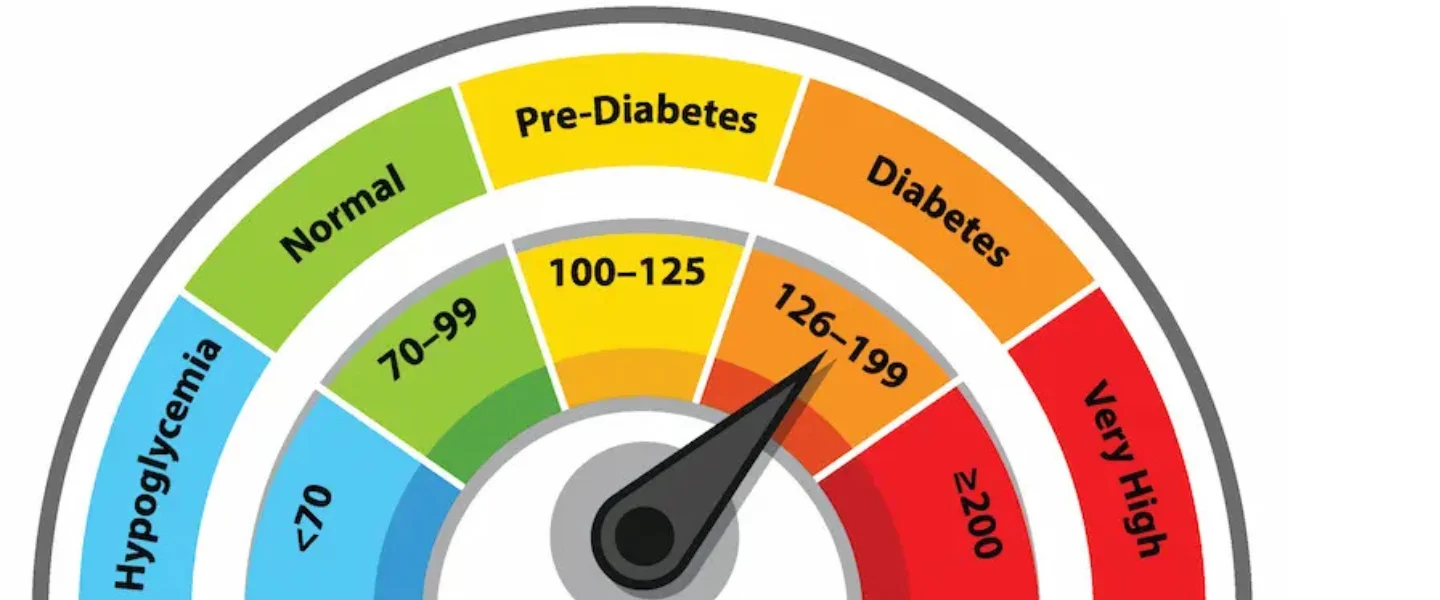
1. Fasting Plasma Glucose (FPG)
Diabetes: ≥ 126 mg/dL.
Prediabetes: 100–125 mg/dL.
2. Oral Glucose Tolerance Test (OGTT)
Diabetes: ≥ 200 mg/dL (2 hours after glucose intake).
Prediabetes: 140–199 mg/dL.
3. HbA1c Test
Diabetes: ≥ 6.5%.
Prediabetes: 5.7%–6.4%.
Your doctor will use the HbA1c test, which measures your average blood glucose over the past 2 to 3 months, to diagnose diabetes, set treatment targets, and monitor your response to medication.
4. Random Plasma Glucose
Diabetes: ≥ 200 mg/dL (with symptoms).
These tests confirm diagnosis and guide treatment planning.
Treatment Overview for Diabetes
Metformin is widely recommended by RSSDI in 2025 as the first-line treatment for Type 2 diabetes due to its proven efficacy, affordability, and broad availability across India.
Diabetes management follows a stepwise approach, starting with lifestyle changes and progressing to medication if required.
1. Lifestyle-First Approach
Weight reduction.
Balanced diet.
Regular physical activity.
This is the foundation of all treatment plans.
2. Oral Medications
Metformin: First-line therapy.
SGLT2 inhibitors: Improve glucose excretion and heart health.
GLP-1 receptor agonists: Aid weight loss and glucose control.
3. Insulin Therapy
Used when:
Blood sugar remains uncontrolled.
Type 1 diabetes is present.
Advanced Type 2 diabetes.
4. Treatment Targets
As per RSSDI guidelines:
HbA1c target: < 7% for most adults.
Individual targets may vary based on age and health status.
Side Effects of Diabetes Medication
The Indian Council of Medical Research (ICMR) and the Research Society for the Study of Diabetes in India (RSSDI) Clinical Practice Recommendations for the Management of Type 2 Diabetes Mellitus clearly recommend that all adults above 25 years with any one risk factor, including overweight, family history of diabetes, high blood pressure or PCOS, should be screened for diabetes annually.
Managing diabetes involves medication, either insulin alone, oral treatment alone, or both. It is important to note that these carry their own side effects that need monitoring.
Side Effects of Insulin
The side effects of insulin therapy include:
Hypoglycaemia (low blood sugar): it causes confusion, excessive sweating, lightheadedness, hunger, a rapid heart rate, blurred vision, and shakiness.
More severe reactions: They include consciousness, sudden mood changes, seizures, delirium, excessive sleepiness, loss of coordination, and impaired vision.
Remember, any severe reaction requires immediate medical attention.
Side Effects of Metformin
Common Side Effects
Nausea.
Diarrhoea.
Bloating.
Abdominal discomfort.
Flatulence.
These usually improve within 2 to 4 weeks of starting treatment.
Serious Side Effects
Lactic acidosis (rare but serious).
Severe hypoglycaemia.
Slurred speech.
Loss of coordination.
Extreme weakness.
Do not stop medication without medical advice.
Who Is at Risk of Type 2 Diabetes?
Age 40 to 70 years.
Family history.
Abdominal obesity.
Sedentary lifestyle.
Poor diet.
PCOS in women.
Even lean Indians can have high abdominal fat, which increases the risk.
Lifestyle and Prevention
The National NCD Monitoring Survey in 2022 found that diabetes prevalence is twice as high in urban areas (14.3%) as in rural areas (6.9%).
Generic advice does not work unless it is tailored to real diets and habits.
Diet
Choose millets, brown rice, and whole wheat over refined grains.
Include dal, vegetables, nuts, and seeds.
Limit sugar, packaged foods, and fried snacks.
Prefer low glycaemic index foods.
Physical Activity
At least 30 minutes daily (walking, cycling, yoga).
Add strength training 2–3 times per week.
Weight and Metabolic Health
Reduce abdominal fat, not just total weight.
Even a 5–10% weight loss improves insulin sensitivity.
Stress and Sleep
Poor sleep increases insulin resistance.
Practice yoga, meditation, or breathing exercises.
Screening
If you have risk factors, test annually. Early detection changes outcomes.
Frequently Asked Questions
1. What is the difference between type 1 and type 2 diabetes?
Type 1 diabetes is an autoimmune condition where the immune system destroys insulin-producing cells, requiring lifelong insulin therapy.
Type 2 diabetes develops when the body becomes resistant to insulin or fails to produce enough of it, and is often linked to lifestyle factors. Type 2 accounts for the majority of diabetes cases globally.
2. Can type 2 diabetes be reversed?
Yes. But it requires significant weight loss, dietary changes, and increased physical activity, which can bring blood glucose levels back into the normal range without medication. This is more accurately described as remission rather than a complete cure, as the underlying tendency remains. Consult your doctor for personalised guidance.
3. What are the long-term complications of unmanaged diabetes?
Unmanaged diabetes causes nerve damage, kidney disease, cardiovascular disease, vision impairment, foot ulcers, gum disease, and slow wound healing. The risk and severity of these complications increase the longer blood glucose remains uncontrolled.
4. Is diabetes hereditary?
Both type 1 and type 2 diabetes carry a genetic component. Having a parent or sibling with either form increases your personal risk. However, lifestyle factors play a significant role in whether type 2 diabetes actually develops, giving you meaningful control over your risk.
5. How often should you get tested for diabetes?
Adults who are overweight, obese, or between 40 and 70 years of age should get tested regularly, ideally once a year. Those with additional risk factors, such as a family history, PCOS, or a history of gestational diabetes, should discuss more frequent screening with their doctor.
6. Can children develop type 2 diabetes?
Yes. Increasing rates of childhood obesity have driven a rise in type 2 diabetes diagnoses among children and teenagers. A healthy diet, regular physical activity, and limited screen time all help significantly reduce this risk.
Read Also
References
World Health Organisation. Diabetes Fact Sheet. Available at: https://www.who.int/news-room/fact-sheets/detail/diabetes.
Mayo Clinic. Type 1 Diabetes: Symptoms and Causes. Available at: https://www.mayoclinic.org/diseases-conditions/type-1-diabetes/symptoms-causes/syc-20353011.
National Institute of Diabetes and Digestive and Kidney Diseases (NIDDK). Insulin, Medicines and Other Diabetes Treatments. Available at: https://www.niddk.nih.gov/health-information/diabetes/overview/insulin-medicines-treatments
Disclaimer: The information in this article is intended for general informational purposes only and does not constitute medical advice. Diabetes symptoms, complications, and treatment responses vary significantly between individuals. Always consult a qualified endocrinologist or healthcare professional for an accurate diagnosis and personalised treatment plan. Never adjust or stop prescribed medication without medical guidance.





















Comments