

Can GLP-1 Medications Lower Cancer Risk? Separating Fact from Fiction





Last updated on 16 Sep 2026
Social media is rife with misinformation about GLP-1 drugs like Ozempic and Mounjaro causing the risk of cancer. At the same time, some news outlets claim that these drugs prevent cancer. However, the reality is more complicated. According to a 2025 meta-analysis of 50 randomized controlled trials, there is no statistically significant difference in the overall risk of developing cancer between patients who receive GLP-1 RA drugs and those who do not.
Thus, in this ultimate guide, we separate fact from fiction and share what we know about GLP-1 medications and cancer risk, which groups of people are at risk, and whether cancer survivors can take these drugs.
Key Takeaways
|

What Are GLP-1 Medications?
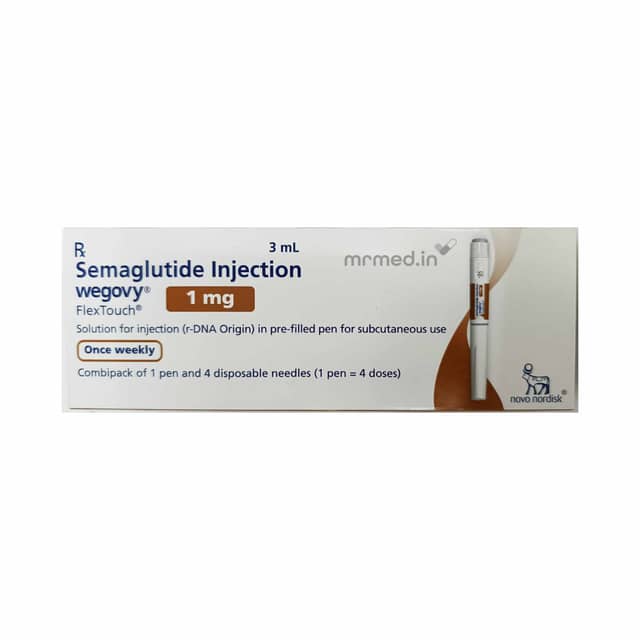
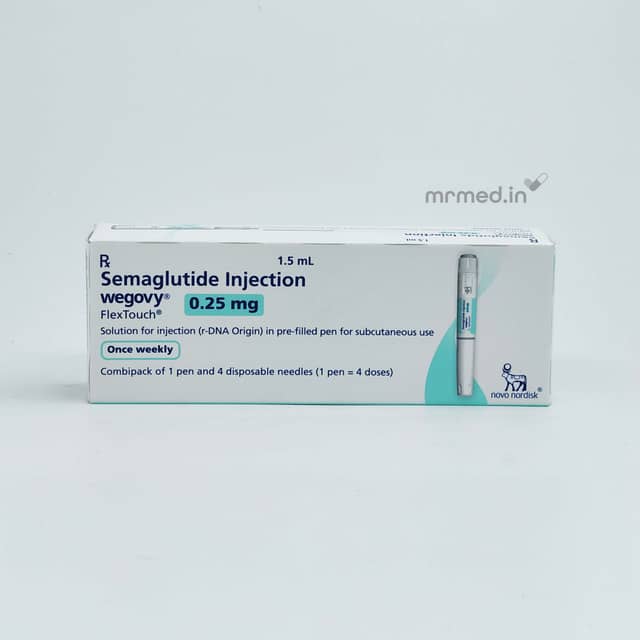
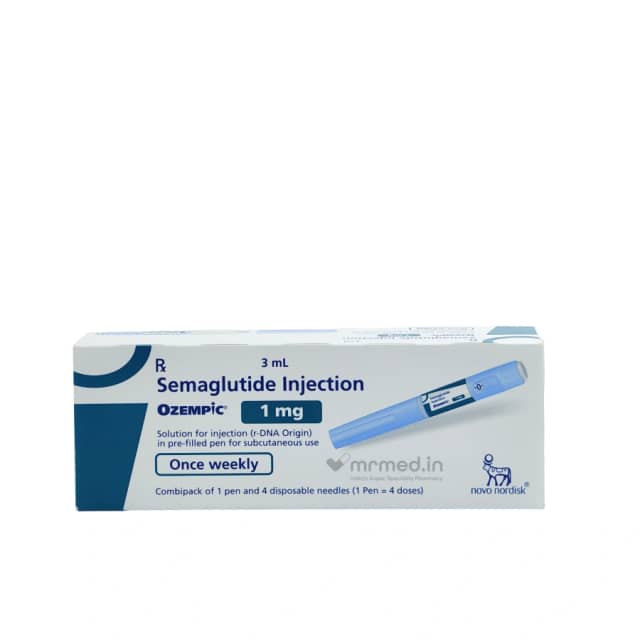
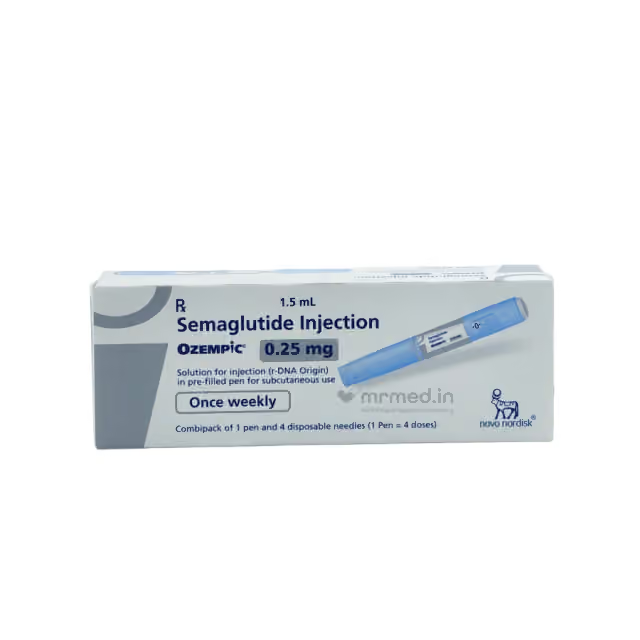
According to the Ministry of Health and Family Welfare (MOHFW), generic semaglutide in India costs approximately INR 1,290 per month; branded Ozempic and Wegovy cost approximately INR 5,660 per month after April 2026 price cuts.
Understanding GLP-1 drugs is essential for accurately evaluating cancer risk.
Mechanism of Action:
GLP-1 receptor agonists are similar to glucagon-like peptide-1, a hormone that controls blood sugar levels and appetite.
The drugs help release insulin at elevated glucose concentrations.
They slow gastric emptying.
Enhancing the feeling of fullness.
Decreasing appetite.
Improving heart performance.
Available GLP-1 Drugs:
Semaglutide (Ozempic for diabetes, Wegovy for obesity).
Tirzepatide (Mounjaro for diabetes, Zepbound for obesity).
Liraglutide (Victoza for diabetes, Saxenda for obesity).
Dulaglutide (Trulicity).
Cancer Risk Concerns: What Started the Fear?
Initial concerns about GLP-1 medications and cancer have specific origins.
Early Red Flags:
Studies involving animals (especially mice and rats) showed findings with certain GLP-1 medications that they might cause thyroid C-cell tumors, thus posing a possible cancer threat.
FDA labeling has placed disclaimers regarding thyroid and pancreatic cancer due to animal studies.
On social media, unofficial comments circulated with misleading interpretations of studies.
Older GLP-1s have been cited as candidates possibly causing the risk of pancreatitis.
Why Animal Data Differs from Human Risk:
Rodent species respond to GLP-1 receptor stimulation differently than humans do. Thus, factors causing tumors in rodent tissue may not raise concerns about human cancer.
What the Evidence Actually Shows: Clinical Trial Data
According to Dr. Priya Sharma, Endocrinologist and metabolism specialist at AIIMS New Delhi, we must distinguish between theoretical risks from animal models and actual human evidence. Rodent thyroid C-cell hyperplasia does not predictably translate to human thyroid cancer.
Large-scale human research provides the most reliable cancer risk assessment.
Overall Cancer Risk:
A 2025 meta-analysis of 50 randomized controlled trials found no significant difference in overall cancer risk for GLP-1 RA users versus comparators for diabetes and/or obesity.
Thyroid Cancer Risk:
Thyroid cancer incidence in patients treated with semaglutide was found to be less than 1 percent, meaning that the risk is insignificant. However, some studies in these populations find slightly higher numbers in people who receive glucagon-like peptide-1 receptor agonists.
Researchers explain this as so-called detection bias, meaning that more frequent medical checks lead to more tumours being found than actually occur.
Pancreatic Cancer Risk:
Large studies haven't been able to find a link to pancreatitis or pancreatic cancer, and the FDA and European Medicines Agency have come to the same conclusion.
Breast Cancer Risk:
Large-scale studies and regulatory reviews have found no increased breast cancer risk among patients using GLP-1 medicines.
Potential Cancer Prevention Benefits: The Emerging Evidence
Recent research suggests GLP-1 medications may actually reduce cancer risk through weight loss.
Weight Loss and Cancer Prevention:
Cancer types: rectal, endometrial, kidney, pancreatic, and oesophageal cancers. Possible mechanisms of connection between obesity and development of cancer are:
1. Chronic inflammation.
2. Modified levels of hormones.
3. Insulin resistance.
GLP-1 Impact on Obesity-Related Cancers:
A 2024 cohort study of 1.6 million patients found that GLP-1 agonists reduce the risk of developing 10 of 13 obesity-related cancers compared with insulin.
Large cohort studies show that the presence of semaglutide may help decrease the chance of developing gastrointestinal, breast, and uterine cancers.
Important Caveat:
New research has stated that GLP-1 medications probably have no or little effect on the risk of developing any of 13 types of cancers related to obesity. Thus, this provides evidence that although a loss of weight is necessary, administering GLP-1 medications may not contribute to a reduction in the risk of cancer.
GLP-1 Medications and Different Cancers: Nuanced Risk
Cancer risk varies by GLP-1 medication and cancer type.
Semaglutide (Ozempic, Wegovy):
The drug's safety profile is very good.
Dangers of the drug in relation to thyroid cancer: incidence in less than 1 percent of the samples; a high incidence of thyroid cancer was not reported.
As for breast cancer, there have been no indications of dangers associated with the drug.
Incidence of pancreatic cancer also stayed unchanged.
Weight loss may lower the rates of gastrointestinal cancers.
Liraglutide (Victoza, Saxenda):
Liraglutide may lead to an increased risk of thyroid and breast cancer.
However, the number of cases reported is very low.
Tirzepatide (Mounjaro, Zepbound):
The drug is new and lacks a long-term safety profile.
Early research suggests a safety profile similar to semaglutide.
Are GLP-1 Medications Safe for Cancer Survivors?
This is the most critical question for cancer survivors considering these drugs.
Safety Evidence:
The SELECT study on cardiovascular outcomes confirms that, among participants in the semaglutide arm, cancer occurrence was not increased compared with the placebo group over the median 39-month duration, which is reassuring.
With the help of GLP-1 drugs, cancer survivors can cope with the issue of additional weight gain related to the treatment through combined care.
Special Considerations for Cancer Survivors:
Your physician will consider various factors when recommending GLP-1 medication, such as the stage and prognosis of the person’s illness, the time since the end of treatment, metabolic health status, and general risk of cardiovascular disease.
Important Contraindications:
Personal/Family History of Medullary Thyroid Cancer: GLP-1 medications are contraindicated.
Multiple Endocrine Neoplasia (MEN) Syndrome: Avoid GLP-1 drugs.
History of Pancreatitis: Use with caution.
Benefits for Cancer Survivors:
Many survivors of cancer experience additional weight gain associated with their treatment that does not respond to standard treatment approaches. Available data suggest GLP-1 drugs can significantly reduce body weight in this group without altering cancer recurrence rates.
GLP-1 Medications in India: Availability and Pricing
Pricing in India has improved significantly after patent expiry and generic launch.
Current Pricing (as of August 2026):
Generic Semaglutide:
Price = Approx. INR 1,290/month (initial dose)
Produced by different manufacturers (Natco, Glenmark, Sun Pharma, Dr Reddy's)
Cheapest option
Branded Ozempic/Wegovy (Novo Nordisk):
Price = Approx. INR 5,660/month post April 2026 price reduction
Available at prominent pharmacies and hospitals in metropolitan areas.
Mounjaro (Tirzepatide, Eli Lilly):
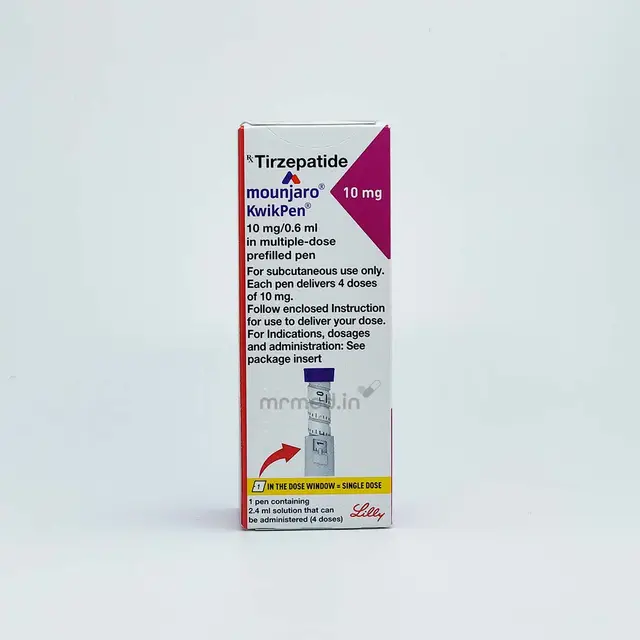
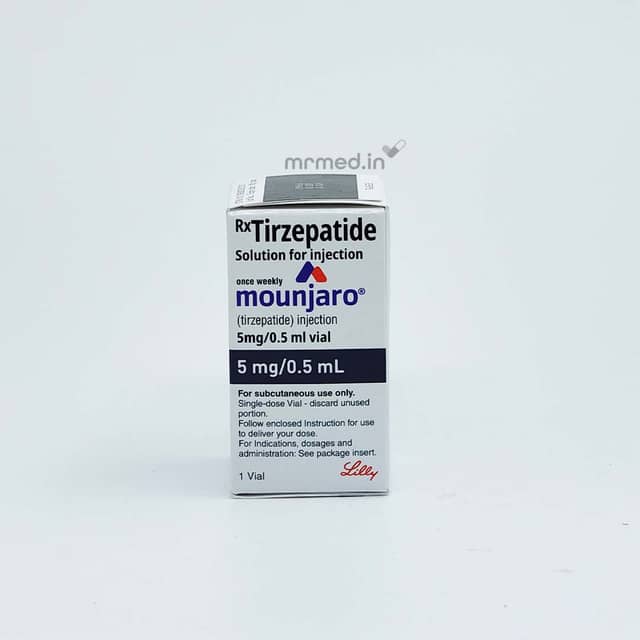
Price = Approximately INR 14,000 to INR 17,500 per month
Most costly option
Available in important cities
Availability:
Private sector: Widely available in big metros (Mumbai, Delhi, Bangalore, Chennai)
Government sector: Limited availability; government hospitals in tier 1 cities
Online pharmacies: Available on licensed online pharmacies.
FAQs
Q1. Are GLP-1 drugs safe for cancer survivors?
In fact, GLP-1 medications seem to be safe for most cancer patients based on clinical research outcomes. In a major cardiovascular study, semaglutide patients did not see any increase in cancer recurrence after 39 months of use. However, those who have or have had a family member who had medullary thyroid cancer are advised not to take GLP-1 drugs.
Q2. What are the chances of getting cancer from GLP-1?
Minimal. Clinical investigations show no difference in the likelihood of developing cancer while undergoing GLP-1 therapy. In patients taking semaglutide, cases of thyroid cancer were less than one percent. Cases of pancreatic cancer were not increased. Although social media raises concerns about cancer development, numerous studies have proven that the medications do not pose a risk of acquiring cancer.
Q3. How common is cancer among Ozempic users?
The incidence of cancer in Ozempic users is not higher than in non-users. A systematic review published in 2024 showed that the proportion of thyroid cancer patients on semaglutide is less than one percent, which is comparable to, or may even be lower than, that in the general population. In conclusion, cancer rates in people taking semaglutide are equal to or similar to those in non-users.
Final Thoughts
GLP-1 medications are not associated with cancer according to the existing research, despite social media posts. Although prior studies involving animals were cautionary in their warning about thyroid cancers, so far it has been proven that the incidence of thyroid cancer in humans receiving GLP-1 medication is less than one percent and that there are no positive correlations. GLP-1 medications show strong safety results and metabolic benefits for the population.
For the cancer survivors, however, the available evidence is very encouraging, as large studies failed to show that the risk of relapse is higher. Moreover, weight loss as a result of using GLP-1 therapy may even lower the chances of developing cancers associated with obesity. The main idea is that people need to be well informed: medullary thyroid cancer patients should avoid GLP-1 medications, while others may benefit from their use.
With generic semaglutide available starting at 1290 Indian rupees per month, the knowledge about GLP-1 drugs and their effect on cancer has to be spread now more than ever.
Read Also
What is GLP-1? Understanding Its Role in Weight Loss and Diabetes Management
How GLP-1 Medications Help Manage Type 2 Diabetes: Benefits, Safety & Real-World Results
How GLP-1 Medications Support Weight Loss and Long-Term Obesity Management
References
1.https://pubmed.ncbi.nlm.nih.gov/37952131/
2.https://pubmed.ncbi.nlm.nih.gov/27633186/
3.https://pubmed.ncbi.nlm.nih.gov/39178623/
Disclaimer: This article is for informational purposes only and does not constitute medical advice. Decisions regarding GLP-1 medications should be made in consultation with qualified healthcare providers based on individual medical history, current medications, and cancer status. Cancer survivors considering GLP-1 therapy must discuss it with their oncologist. Those with a personal or family history of medullary thyroid cancer or multiple endocrine neoplasia should avoid GLP-1 medications. Baseline thyroid function testing and periodic monitoring are recommended. Prices and availability are current as of August 2026 and subject to change.














Comments