

How Cold and Hot Temperature Affects Blood Circulation





Last updated on 27 Mar 2026
Temperature plays a bigger role in blood circulation than most people think. Cold weather tightens blood vessels and pushes blood away from the hands, feet and legs, causing numbness, cramps and swelling. Hot weather does the opposite by widening vessels, but it can drop blood pressure and cause dizziness. Both extremes put extra pressure on the heart. People with existing circulation problems or high blood pressure feel these effects much more. Staying active, drinking enough water, keeping warm in winter and cool in summer all help protect circulation.
Key Takeaways
• Weather temperature directly affects blood circulation in the body. • Cold weather causes vasoconstriction, where blood vessels narrow. This reduces blood flow to the hands, feet, and skin. • Cold temperatures can make blood thicker and increase the risk of clotting, especially in people with heart or circulation problems. • Hot weather causes vasodilation, where blood vessels widen up increasing blood flow towards the skin. • Poor blood circulation in winter may cause numb fingers, cold feet, pale skin, muscle cramps, and heavy legs. • High temperatures can lead to swelling in the feet, dizziness, and a temporary drop in blood pressure. • Both extreme cold and heat place extra strain on the heart and blood vessels. • Regular physical activity, proper hydration, and healthy food choices help improve blood circulation naturally throughout the year. |
The weather does more to your body than just making you reach for a jacket or a fan. It directly changes how your blood moves through your body. Some people notice their hands go numb in winter or their feet swell up in summer. Temperature and blood circulation are closely linked, and understanding this connection can help you take better care of yourself year-round.
What Does Cold Weather Do to Your Blood Circulation?
In 2025, the Indian Council of Medical Research (ICMR) advised people with cardiovascular conditions to avoid early-morning outdoor activity during the winter months, when temperatures are at their lowest.
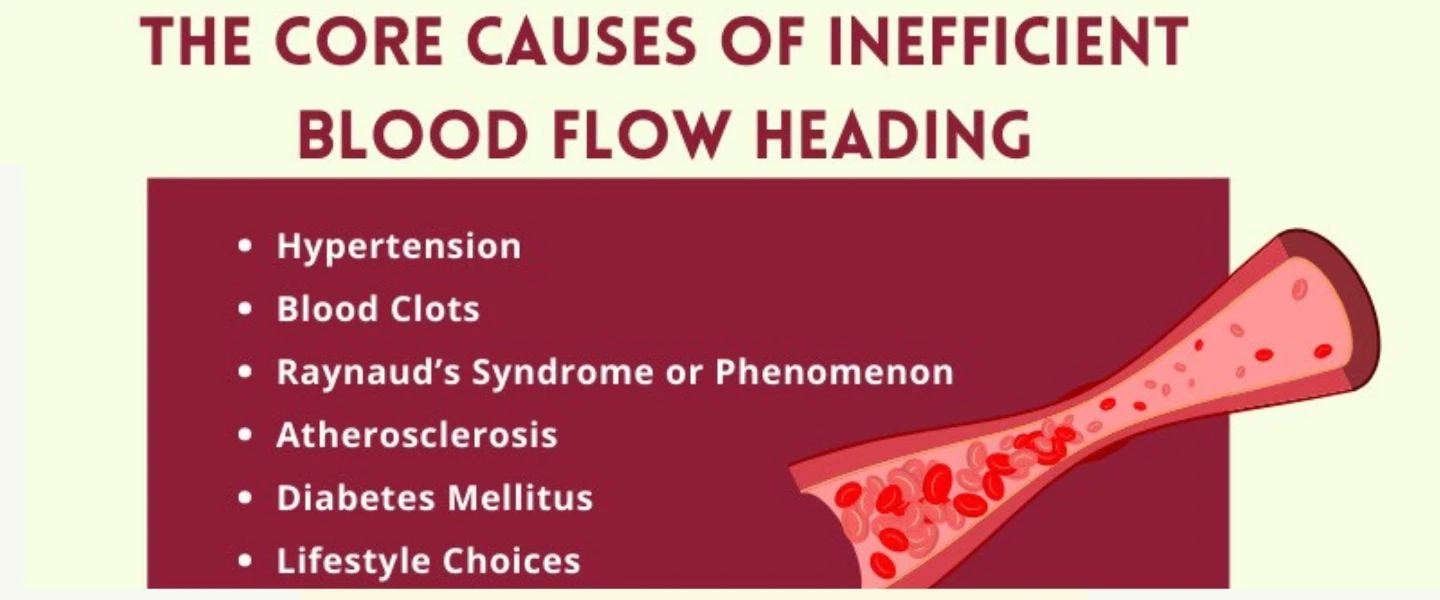
Cold weather and blood circulation have a tough relationship. When temperatures drop, the body goes into protection mode:
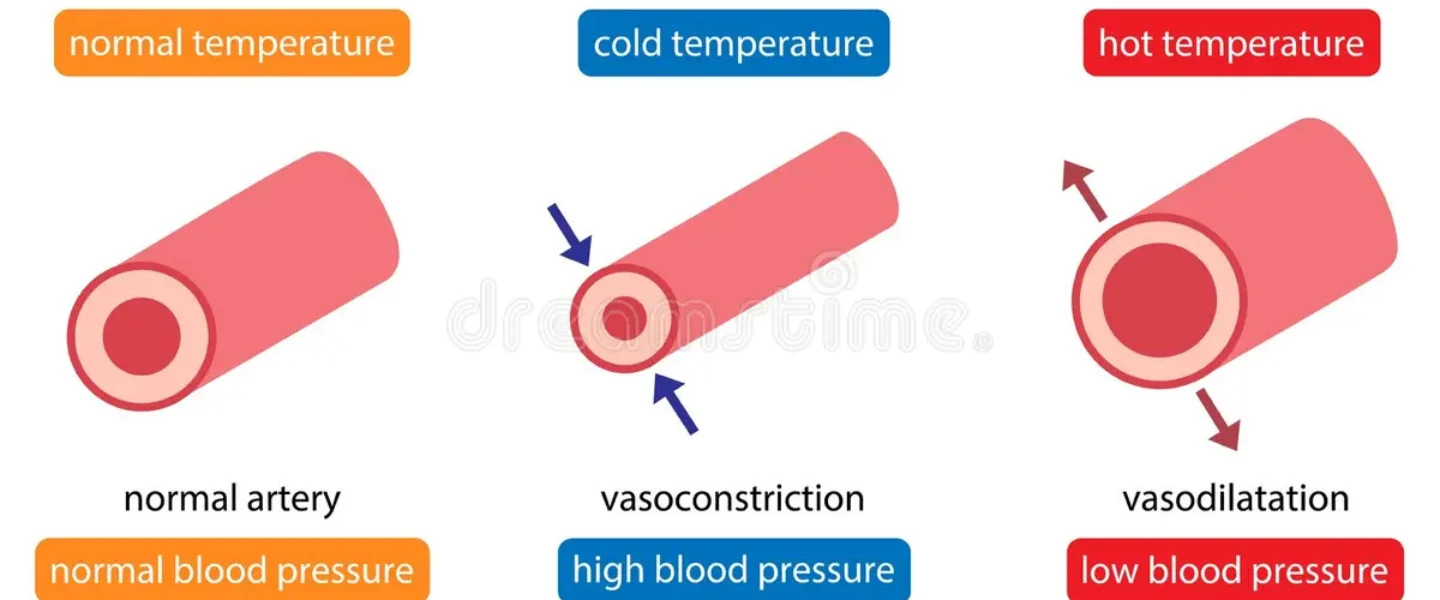
Blood vessels narrow in cold temperatures; this is called vasoconstriction.
The body pulls blood away from the hands, feet and skin to protect vital organs like the heart.
Cold temperatures can affect blood vessels, causing stiffness and reduced flexibility, making it harder for blood to flow freely.
Blood also thickens in cold weather, increasing the risk of clotting.
People who already deal with blood circulation problems feel this more intensely. Their vessels are already struggling, and cold air makes everything tighter and slower.
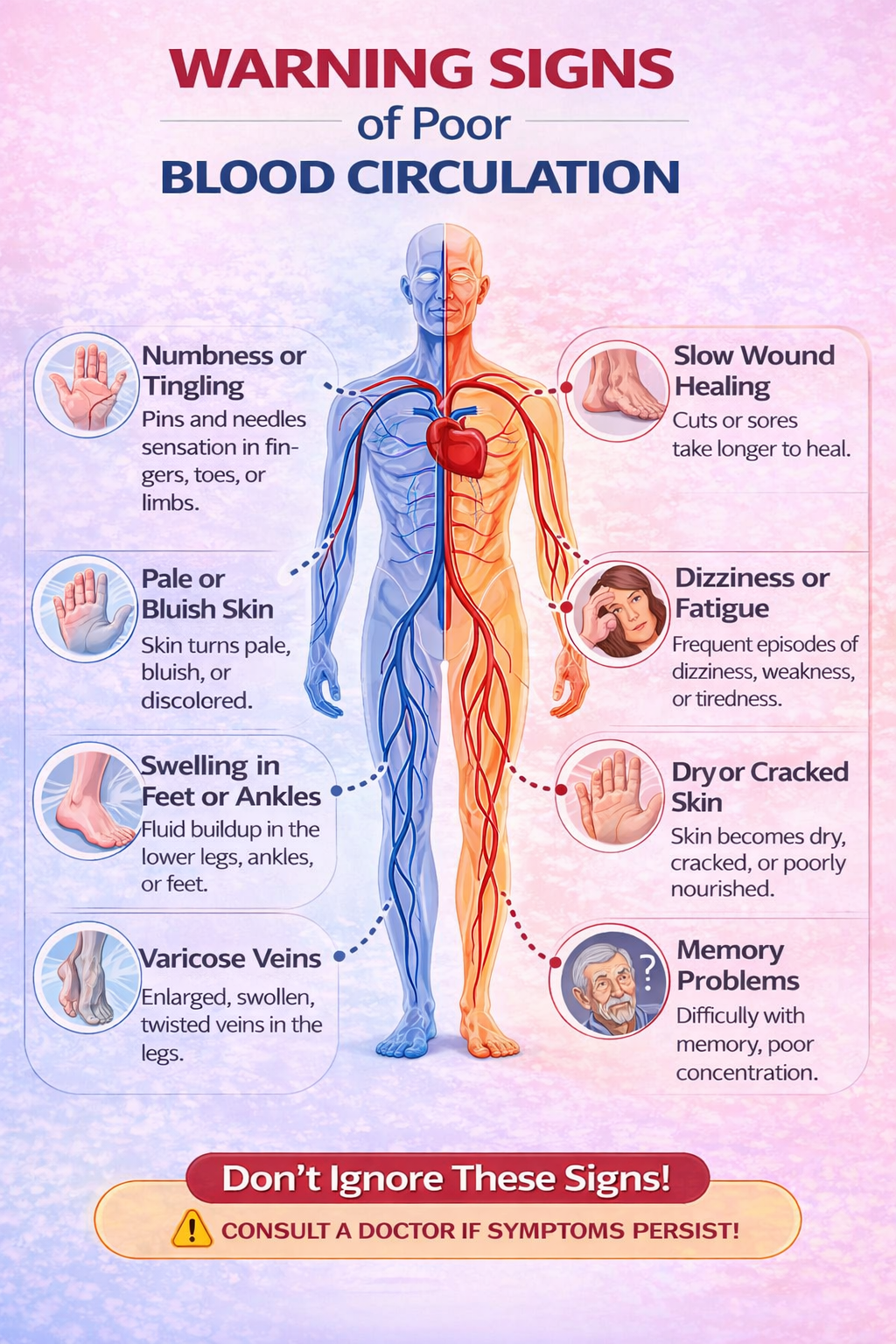
What Are the Signs of Poor Blood Circulation in Cold Weather?
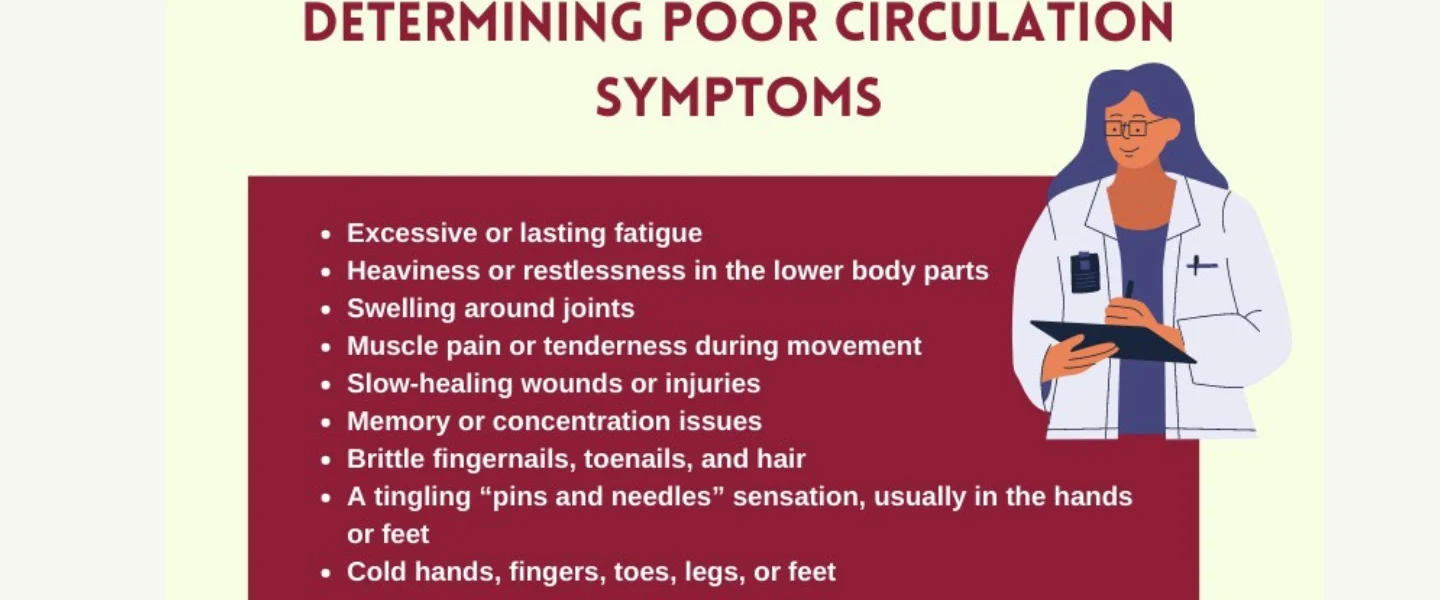
Symptoms of poor blood circulation in winter vary from person to person. Watch out for these signs of poor blood circulation in legs, hands and feet:
Fingers and toes turn white or blue, or go completely numb.
Poor circulation in the hands and feet in cold weather is very common.
Legs feel heavy, stiff or painful after spending time outside.
Skin on the hands and feet can become dry, cracked, or unusually pale.
Leg muscle cramps that get worse at night.
Symptoms of poor blood circulation, like these, do not always indicate a serious condition, but they should never be ignored, especially if they occur regularly during the winter months.
How Does Hot Weather Affect Blood Flow in the Body?
According to the Indian Heart Association, in 2025, over 50% of heart attacks in India occur in people under 50, many triggered by seasonal temperature changes.
Heat works in the opposite direction to cold. So does heat increase blood circulation? Yes, but not always in a good way:
Hot weather causes blood vessels to widen this is called vasodilation.
The body pushes more blood towards the skin to cool itself down through sweating.
How heat affects blood flow in the body also means that, temporarily, less blood reaches the heart and brain.
Hot weather effects on blood circulation include swollen feet, dizziness and feeling faint, especially when standing up fast.
People with heart conditions or high blood pressure feel the impact of heat much more. The heart has to pump harder to keep up with the body's cooling demands.
How Does Temperature Cause Blood Pressure Changes in Cold and Hot Weather?
Dr Naresh Trehan, Chairman of Medanta Hospital, Gurugram, has highlighted that extreme summer heat in India puts enormous pressure on the heart and blood vessels, especially in patients with diabetes or hypertension.
Blood pressure does not remain the same throughout the year. Temperature changes push it up and down:
In winter, narrowed blood vessels force the heart to pump harder, raising blood pressure.
In summer, widened vessels lower resistance, and blood pressure tends to drop.
Both extremes are dangerous for people already managing heart or circulation conditions.
To control high blood pressure in winter, stay warm indoors, avoid sudden cold exposure and check your readings more often.
Controlling high blood pressure in winter also means staying active, eating warm, low-salt meals, and not skipping medications even when you feel fine.
Which Weather Is Good for Blood Circulation, and How Can You Improve It Naturally?
A study published in the Journal of the Association of Physicians of India in 2026 found that Nearly 35% increase in complaints of cold extremities and leg cramps was reported among Indian patients during the winter months, particularly in North India.
Mild and moderate temperatures are generally the best for blood circulation. Here are the best ways to improve blood circulation naturally, regardless of the season:
Physical activity for at least 30 minutes a day keeps blood circulating through the legs and feet.
Stay properly hydrated. Dehydration thickens blood and slows circulation.
Eat foods that support circulation, such as garlic, ginger, turmeric, and leafy greens.
To improve blood circulation in cold weather, layer up properly, keep feet and hands covered and avoid sitting still for long periods.
Warm baths or heating pads help open up blood vessels in winter.
In summer, stay cool, avoid direct sun during peak hours and elevate your legs if they swell.
Does Cold Temperature Affect Blood Flow More Than Heat Does?
The Ministry of Health and Family Welfare, Government of India, in 2025 highlighted issues with seasonal health advisories, warning citizens, especially the elderly and those with chronic conditions, about the cardiovascular risks posed by both extreme cold and extreme heat.
Both temperatures cause problems, but cold tends to be more dangerous for circulation. Here is why:
Cold weather does affect blood circulation, as vessels tighten, blood thickens, and the risk of clotting increases.
The legs and feet are always the last in line when the body starts protecting itself from cold; warm blood gets pulled towards the core first, leaving the lower limbs short.
Winter months consistently see more heart attacks and strokes, not a coincidence, just what happens when circulation gets squeezed hard by the cold.
Heat brings its own set of problems, too, but the body has more ways to cool itself than to warm itself, which is why cold tends to be the bigger danger.
Anyone already dealing with circulation issues, diabetes or a heart condition needs to be extra careful in both deep winter and during heatwaves; their margin for error is smaller than most.
Cold vs Hot Weather on Blood Circulation
Factor | Cold Weather | Hot Weather |
Blood Vessels | Narrow (Vasoconstriction) | Widen (Vasodilation) |
Blood Flow | Slows down | Speeds up towards the skin |
Blood Pressure | Rises | Drops |
Blood Thickness | Gets thicker | Gets thinner |
Main Risk | Clots, heart attack, stroke | Dizziness, fainting, swelling |
Final Thoughts
Temperature affects your blood more than most people realise. Cold tightens everything up, and heat opens it all out, and both extremes push the heart and vessels to work in ways they were not designed to sustain for long. Pay attention to how your body feels as the seasons change. Numb hands, swollen feet, heavy legs, none of that is just normal.
Stay active, stay warm in winter, stay cool in summer and get checked regularly if you already have circulation or heart issues. Your blood never stops working for you. Give it the right conditions to do its job.
FAQs
Q1. Does cold weather really affect blood circulation?
Yes, cold air narrows blood vessels and pulls circulation away from the hands, feet and legs towards the core organs. That is why fingers go numb, toes turn white, and legs feel stiff and heavy through the winter months.
Q2. Is hot weather good or bad for blood circulation?
Heat widens blood vessels and speeds up flow, but it also pushes blood towards the skin for cooling, which can cause dizziness, swollen feet and a drop in blood pressure. Staying hydrated and avoiding prolonged exposure to extreme heat helps keep circulation safe in summer.
Q3. What can I do at home to improve blood circulation in cold weather?
Keep moving throughout the day, even short indoor walks push blood back into the legs and feet. Layer up properly, take warm showers after cold exposure and drink enough water since dehydration thickens blood and slows circulation in winter.
Read Also
References
Palatini P. Effect of seasonal variation on blood pressure and heart rate. J Hypertens. 2019;37(11):2168–2170 https://journals.lww.com/jhypertension/Abstract/2019/11000/Effect_of_seasonal_variation_on_blood_pressure_and.2.aspx.
Kenney WL, Craighead DH, Alexander LM. Heat waves, ageing, and human cardiovascular health. Med Sci Sports Exerc. 2014;46(10):1891–1899 https://journals.lww.com/acsm-msse/fulltext/2014/10000/heat_waves,_aging,_and_human_cardiovascular_health.3.aspx.
Bhaskaran K, Hajat S, Haines A, Herrett E, Wilkinson P, Smeeth L. Effects of ambient temperature on the incidence of myocardial infarction. Heart. 2009;95(21):1760–1769 https://heart.bmj.com/content/95/21/1760.
Disclaimer
This article is intended for educational and informational purposes only. It does not provide medical advice, diagnosis, or treatment recommendations. The information shared in this article about how cold and hot temperatures affect blood circulation is based on general health knowledge and should not be used as a substitute for professional medical guidance












Comments