

Retatrutide Pros and Cons: Everything You Need to Know About the ‘Triple G’ Weight Loss Medicine





Last updated on 28 Aug 2026
Losing weight can be harder than simply eating less and exercising more. For some people, hunger, cravings and the way the body stores and uses energy can make weight loss difficult to maintain.
Now, a new weight loss injection called retatrutide is getting attention for taking a different approach. It works on three hormone pathways involved in appetite, blood sugar and metabolism, earning it the nickname “Triple G”.
With the results from clinical trials making headlines, many people are asking the same question: could retatrutide be the next big option for weight loss?
Key Takeaways
|
What Is Retatrutide?
Retatrutide is an investigational medicine being developed by Eli Lilly for weight management and other conditions linked to obesity. In clinical trials, it is given as a once-weekly injection.
What makes it different is that it works on three hormone pathways:
GLP-1: Helps control hunger, food intake and blood sugar.
GIP: Helps the body release insulin and may affect how it uses and stores energy.
Glucagon: Helps regulate energy use and metabolism.
Because it acts on all three, retatrutide is called a triple agonist. You may also see it referred to as a “Triple G” medicine, based on the three pathways it targets: GIP, GLP-1 and Glucagon.
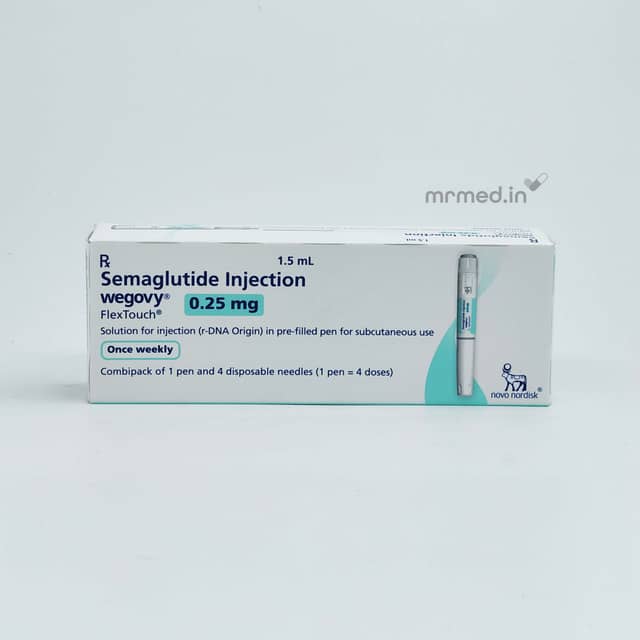
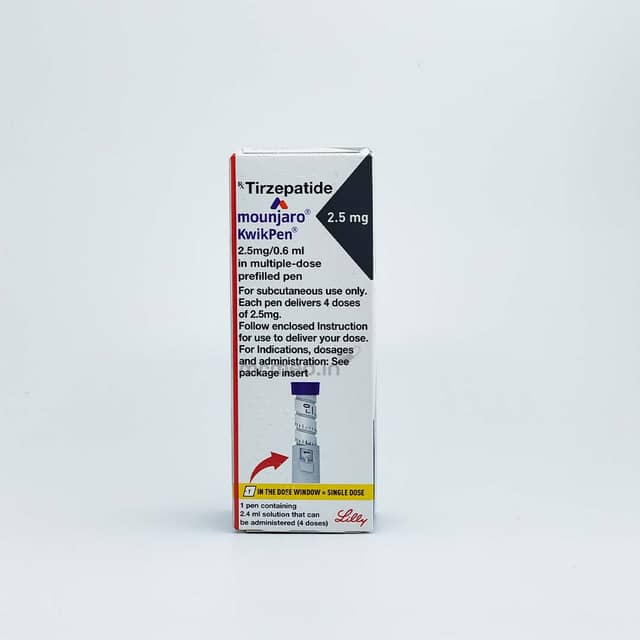
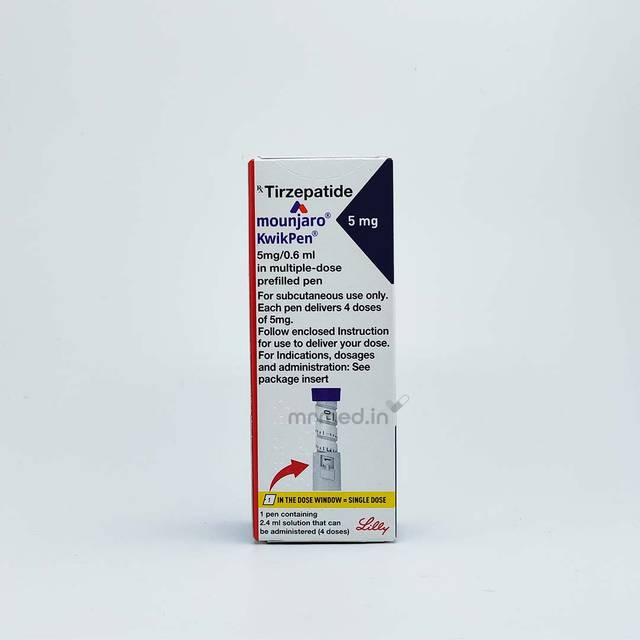
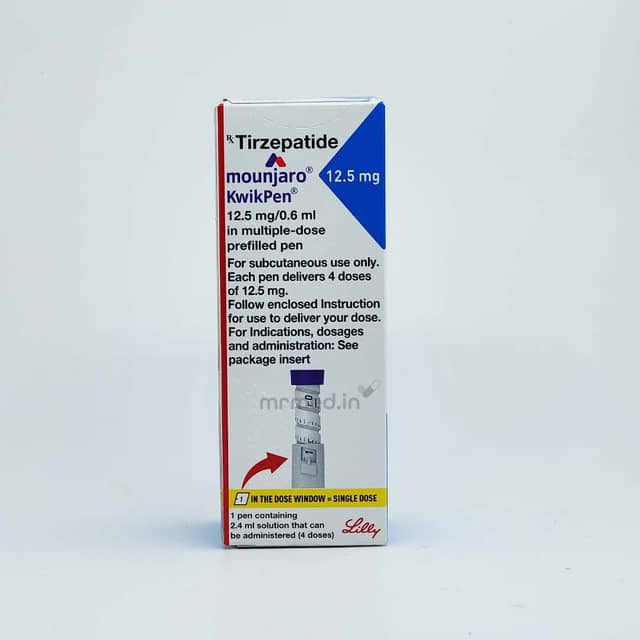
Could Retatrutide Be Better Than Mounjaro or Wegovy?
If you've heard of Mounjaro or Wegovy, you may be wondering whether retatrutide could offer more weight loss.
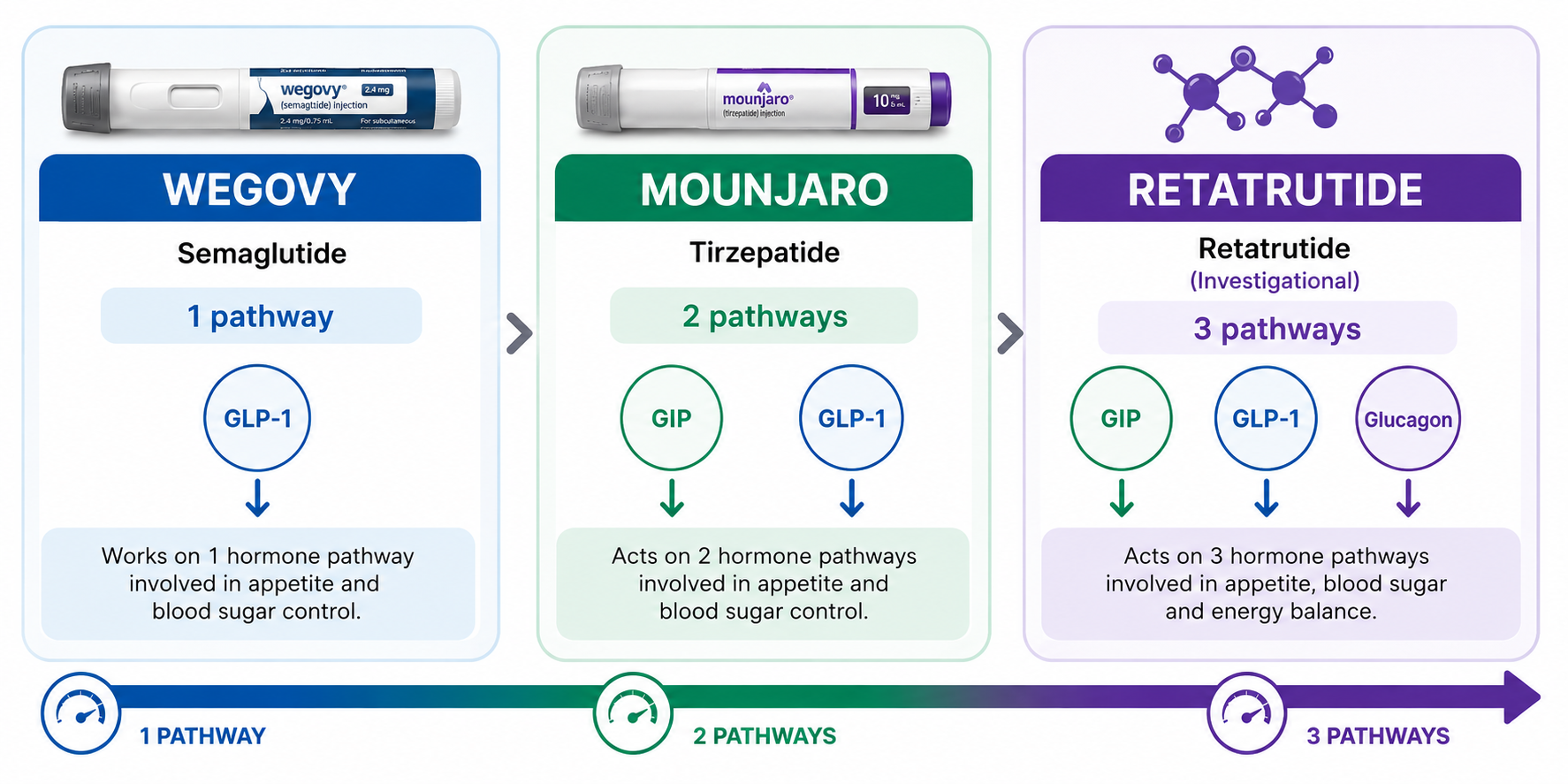
Retatrutide has produced substantial weight loss in clinical trials, which is one reason it has attracted so much attention. But it is too early to say that it is better than Mounjaro or Wegovy.
The medicines have not been compared directly in the same large clinical trial. Their study results also come from different groups of people, doses and treatment periods, so the numbers cannot simply be placed side by side.
More research will show whether retatrutide can outperform the weight-loss medicines already available.
Why Is Retatrutide Getting So Much Attention?
The excitement around retatrutide comes down to one thing: the amount of weight people have lost in clinical trials.
In the Phase 3 TRIUMPH-1 trial, people taking the highest studied dose lost an average of 28.3% of their starting body weight after 80 weeks. About 45% lost at least 30% of their body weight.
That number is easier to picture with an example. If someone weighs 100 kg when they start treatment, a 28.3% loss would bring their weight down to about 71.7 kg.
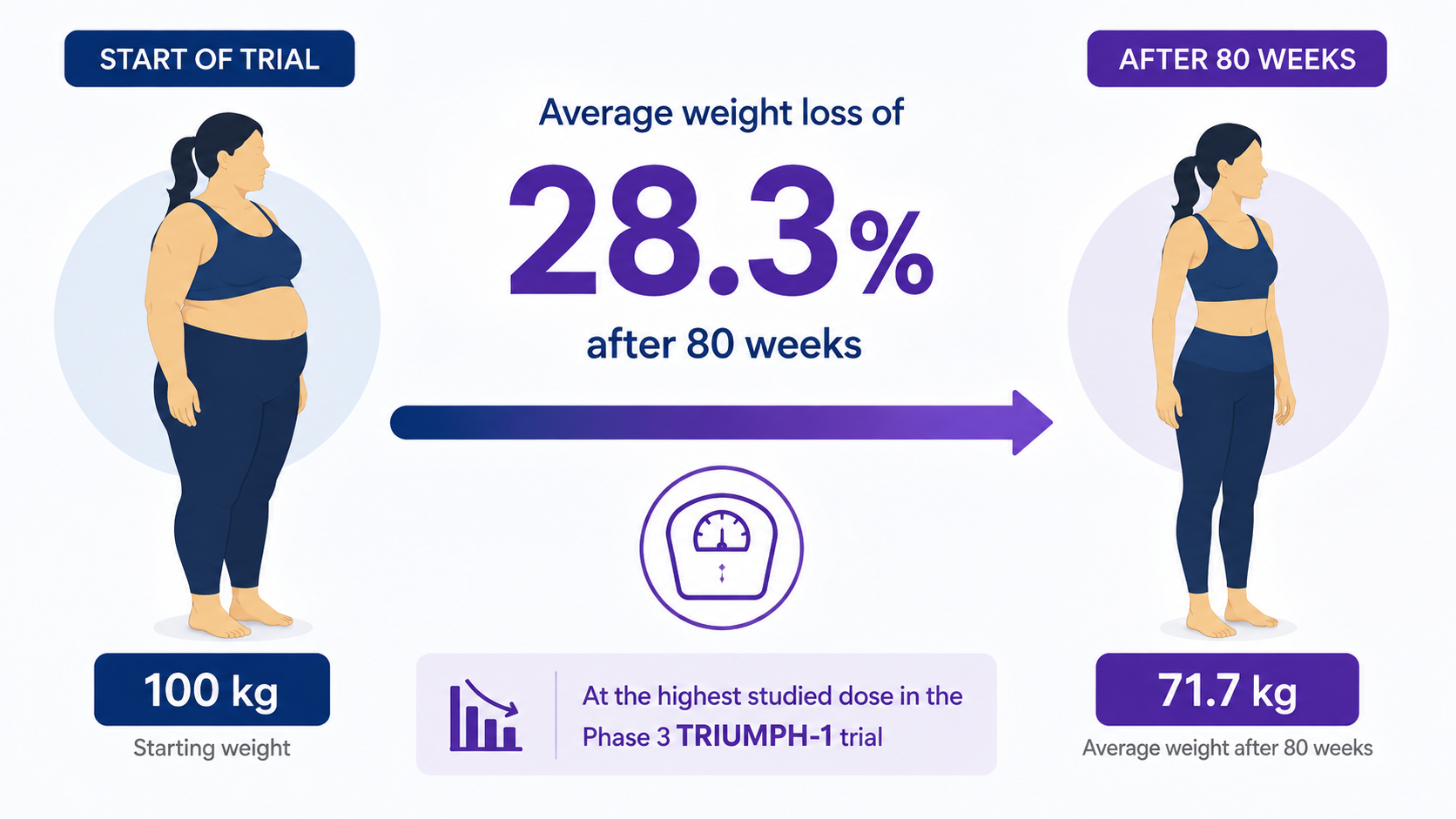
These results have put retatrutide on the radar for people looking for new options for weight management. For someone who has struggled to lose weight or keep it off, seeing these results can be encouraging. But these are clinical trial results, and they do not tell us exactly what one person can expect.
Other Potential Benefits of Retatrutide
Weight loss isn't the only reason retatrutide is being studied. Researchers are also looking at whether it could help with some of the health problems that often come with obesity.
It may help improve blood sugar
Retatrutide is being tested in people with type 2 diabetes. Studies have found that it can lower HbA1c, a measure of average blood sugar over the past few months.
It may help with other health problems linked to obesity
Retatrutide is also being studied in conditions such as:
Knee osteoarthritis
Obstructive sleep apnoea
Metabolic dysfunction-associated steatotic liver disease
Heart and kidney health
Some trials have found improvements in knee pain and sleep apnoea measures. It is not yet clear how much of these changes are due to retatrutide itself and how much comes from the weight loss.
What Are the Potential Downsides of Retatrutide?
Retatrutide has shown strong results in trials, but it also has limitations.
Digestive side effects are common
The most common side effects reported in trials include:
Nausea
Diarrhoea
Vomiting
Constipation
These were more common with higher doses and while the dose was being increased.
For some people, these symptoms may settle as treatment continues. For others, they can be difficult to manage.
Higher doses may be harder to tolerate
Digestive side effects became more common as the dose increased in clinical trials. If retatrutide is approved, doctors will need to adjust the dose based on how well each person responds to and tolerates it.
Its long-term safety is still unknown
Retatrutide has only been studied for a limited period so far. We don't yet know what taking it for many years could mean.
Longer follow-up will tell us more about its safety and whether the benefits last.
Retatrutide is not yet available in India
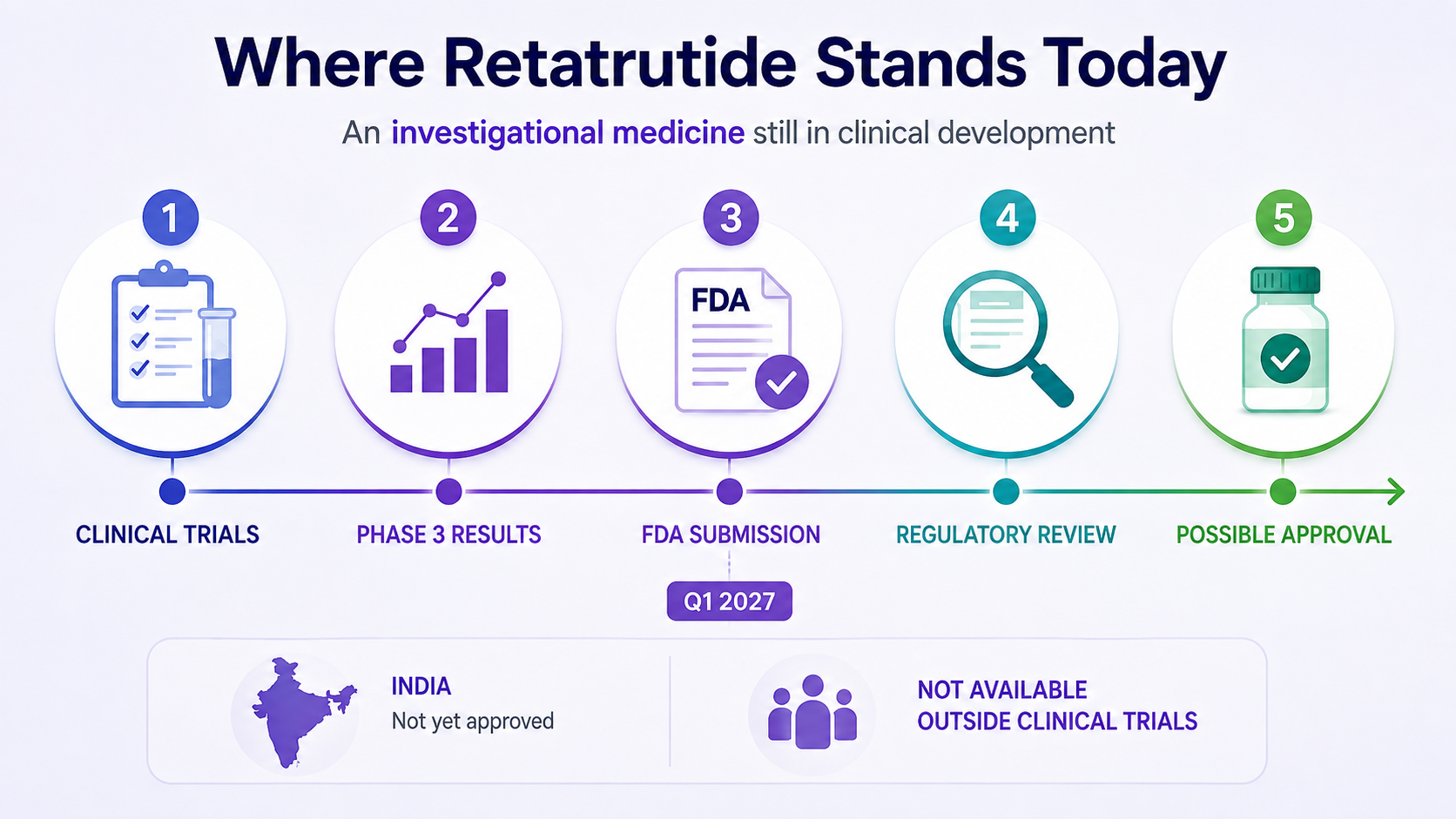
Retatrutide is not approved for routine use in India, the US or any other country. For now, it is being studied in authorised clinical trials.
Lilly also advises people not to take anything claiming to be retatrutide outside a Lilly-sponsored clinical trial. The company says unapproved products may contain unknown ingredients or contaminants, the wrong amount of active ingredient or a completely different ingredient.
What Does the Future Look Like for Retatrutide?
Retatrutide is now in Phase 3 clinical trials, and studies have reported results in people with obesity, type 2 diabetes and other conditions linked to excess weight.
Lilly plans to submit retatrutide to the US FDA in the first quarter of 2027. The FDA will review the trial data and other information before deciding whether retatrutide should be approved.
If retatrutide is approved, it could become another treatment option for people living with obesity. Its long-term safety and its place alongside medicines such as Mounjaro and Wegovy will become clearer as more data emerge.
Read Also
Mounjaro Injection for Weight Loss: Price in India, Uses & Side Effects Explained
What to Eat While on Mounjaro or Ozempic to Reduce Side Effects
FAQs
Q1. What does retatrutide do?
Retatrutide is an investigational medicine being studied for weight management and other conditions linked to obesity. It acts on three hormone receptors: GLP-1 (glucagon-like peptide-1), GIP (glucose-dependent insulinotropic polypeptide) and glucagon.
Q2. What makes retatrutide a triple agonist?
Retatrutide activates the GLP-1, GIP and glucagon receptors, which is why it is called a triple agonist. It is also sometimes referred to as a “Triple G” agonist.
Q3. What are the benefits of taking retatrutide?
Clinical trials have found substantial retatrutide weight loss, along with improvements in blood sugar and some health problems linked to obesity. These are still being studied and are not yet approved uses.
Q4. What are the side effects of retatrutide?
The most common retatrutide side effects reported so far are nausea, diarrhoea, vomiting and constipation. These tend to be more common at higher doses.
Q5. What is the retatrutide dosing schedule?
Retatrutide has been studied as a once-weekly injection, with different doses tested in clinical trials. There is no approved dosing schedule for routine treatment yet.
Q6. What are the dangers of retatrutide?
Digestive problems such as nausea, vomiting, diarrhoea and constipation are the main side effects reported so far. Its long-term safety is still being studied.
Q7. Is retatrutide available in India?
No. Retatrutide is not currently approved for routine use in India. It is still being studied in clinical trials.
Q8. When will retatrutide be available?
There is no confirmed date for when retatrutide will become available. Eli Lilly plans to submit it to the US FDA in the first quarter of 2027. Availability in India and other countries will depend on regulatory approval.
Q9. Is retatrutide approved by the FDA?
No. Retatrutide has not yet been approved by the US FDA. Eli Lilly plans to submit an application for review in the first quarter of 2027.
Q10. What are the retatrutide Phase 3 results?
Phase 3 trials have reported substantial weight loss with retatrutide. In the TRIUMPH-1 trial, people taking the highest studied dose lost an average of 28.3% of their starting body weight after 80 weeks.
Q11. Is retatrutide better than tirzepatide?
It is too early to say. Retatrutide and tirzepatide have been studied in separate trials, so their results cannot be directly compared. Only a direct comparison trial could show whether one works better than the other.
Q12. Is retatrutide the same as Ozempic?
No. Retatrutide and Ozempic contain different active ingredients and work differently. Ozempic contains semaglutide, which acts on GLP-1, while retatrutide acts on GLP-1, GIP and glucagon.
Q13. Does retatrutide burn belly fat?
Retatrutide can reduce body weight, but it does not specifically target belly fat. Where the body loses fat can vary from person to person.
References
Disclaimer: The information in this article is for general awareness and educational purposes only. Retatrutide is an investigational medicine and is not currently approved for routine use. The information provided should not be used as medical advice or to start, stop or change any treatment. Clinical research is ongoing, and individual responses may vary. Always consult a qualified healthcare professional before considering any medicine for weight management, and do not use retatrutide products obtained from unapproved or unofficial sources.
















Comments