

National Heart Failure Awareness Week





Last updated on 26 Feb 2026
Heart Failure Awareness Week is an event that aims to encourage individuals living with heart problems to recognise the early warning signs and symptoms of heart failure, assess their risk of developing heart failure, and have access to effective medical treatments.
The importance of a timely diagnosis, lifestyle modifications, and appropriate medical care greatly increases an individual’s chances of surviving and attaining acceptable quality of life.
Key Takeaways:
|
Globally, cardiovascular disease (CVD) continues to account for the majority of deaths. By increasing awareness regarding HF, we can help individuals with HF better manage their disease and get access to medical treatment sooner.
What Is National Heart Failure Awareness Week?
National heart failure awareness week is observed to educate people about heart failure symptoms, prevention, and treatment options. It focuses on spreading knowledge about congestive heart failure and encouraging early screening for high-risk individuals.
National Heart Failure Awareness Week 2026 will continue emphasising early detection, better management strategies, and improved access to treatment. The goal is simple: prevent avoidable complications and improve survival.
What Is Heart Failure?
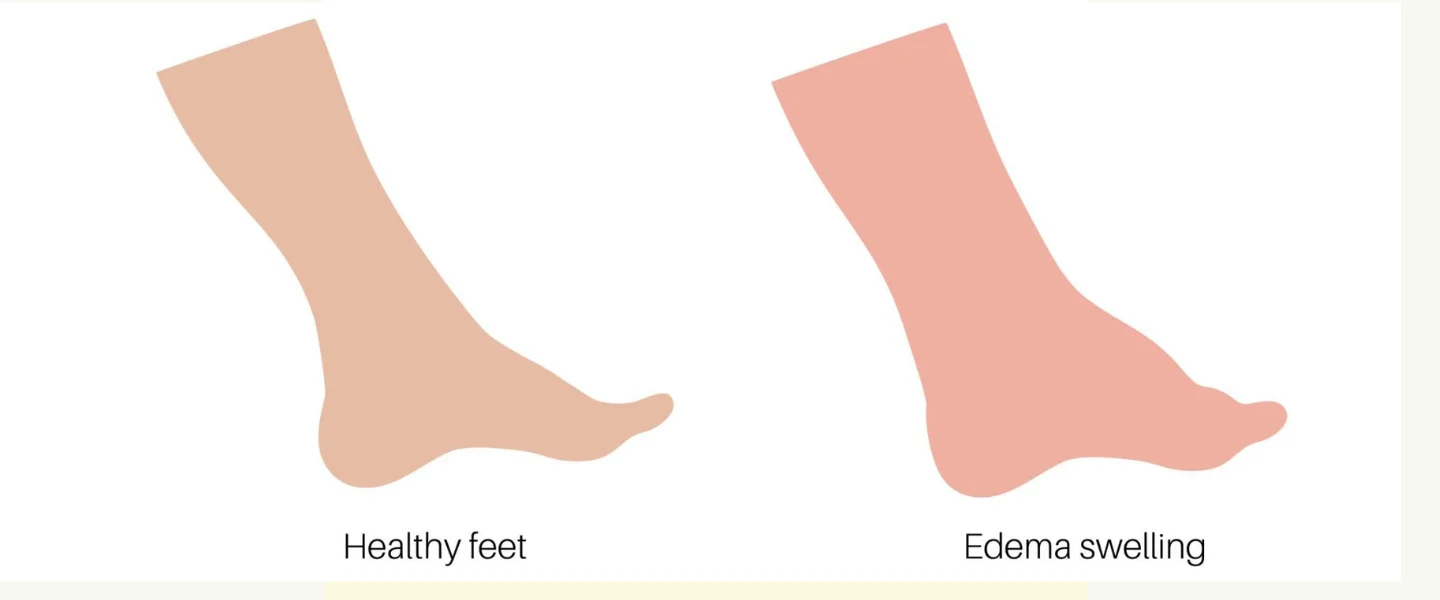
Heart failure is the term used to describe a heart that has stopped pumping blood but can still function. Rather than pumping blood efficiently through your body, the heart can no longer supply enough blood to fulfil your body's requirements. Congestive heart failure (CHF) is defined by a buildup of fluid in your lungs, legs, or belly due to the inadequate output of the heart.
Heart failure can affect people differently depending on the stage at which they are experiencing symptoms of heart failure. The stages of heart failure affect which treatment options may be available; therefore, a good understanding of these stages is important to ensure proper management and treatment.
What Are the Early Signs of Heart Failure?
According to Heart India 2025, published in Indian medical journals, heart failure affects an estimated 1 to 2% of the adult population in India, with prevalence rising steeply in people over 60 years old, making it a significant public health concern.
By knowing when to detect subtle signs of heart failure, we can potentially prevent the development of other serious health problems. Most patients with heart failure tend to pay little attention to their symptoms until they get worse.
A few of the more prominent signs that may indicate point to heart failure include:
Difficulty breathing when walking or lying down.
Swelling in the legs, grow or abdomen.
Constant or excessive tiredness.
Rapid or irregular heartbeats.
Rapid weight increase due to excess water retention.
If symptoms persist, you should consult a doctor.
What Causes Heart Failure?
The Indian Council of Medical Research (ICMR) in 2025 recommends early screening for heart conditions, including heart failure risk factors such as high blood pressure and diabetes, and highlights the importance of lifestyle intervention and clinical care to prevent progression to heart failure.
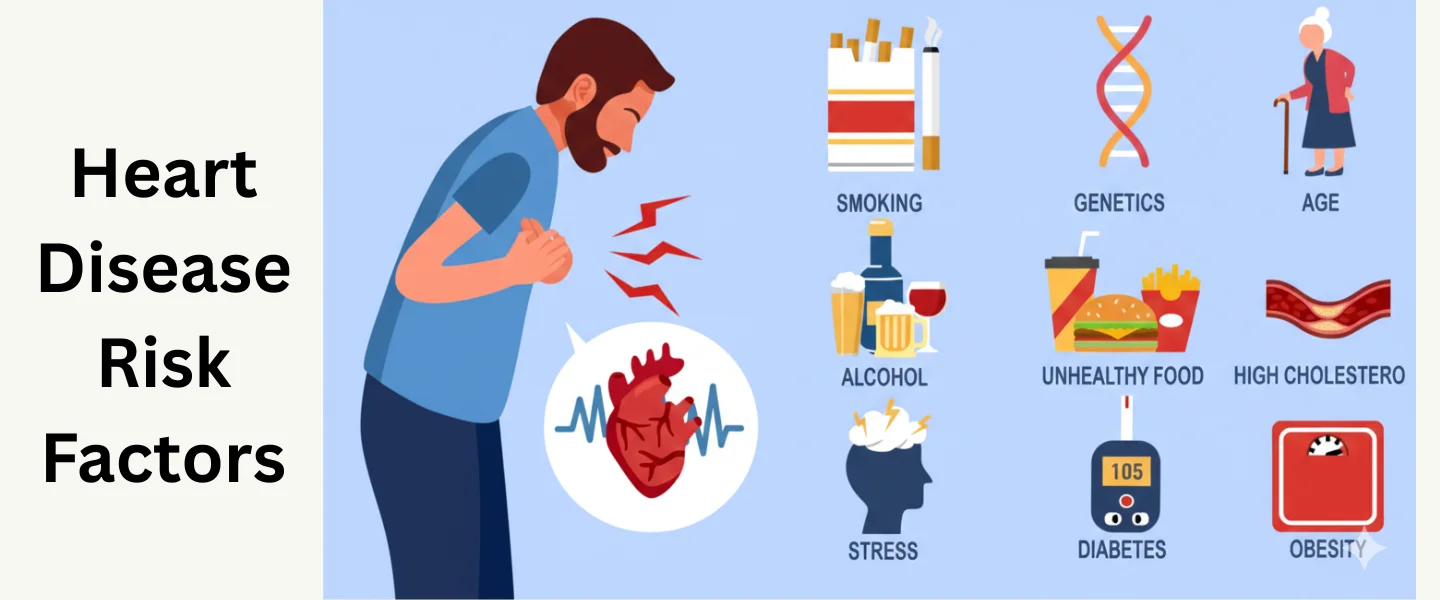
Heart failure often happens because of pre-existing heart conditions that have developed over time or over the years. Some common risk factors for developing heart failure are:
• High blood pressure.
• Coronary artery disease.
• Obesity.
• Smoking.
• Alcohol abuse.
• A history of heart attacks or surgery.
Knowing about these risk factors is a big part of preventing heart failure.
How Is Heart Failure Diagnosed?
In order to determine whether or not you are exhibiting signs of heart failure, the doctor will first perform an examination and diagnostic tests.
Laboratory glucose tests.
EKG (electrocardiogram).
Echocardiogram.
Chest x-ray.
Exercise tolerance test (stress test).
Improve an early diagnosis through effective treatment and minimize your chances of being admitted to a hospital.
What Are the Treatment Options for Heart Failure?
Heart failure management primarily involves medical treatment options based on the stage of disease and underlying cause. The primary focus of heart failure management is to improve the functioning of the heart, minimize symptoms, and prevent further complications.
Typical medical management of heart failure may include:
Diuretics (medication to decrease fluid build-up) and antihypertensive (blood pressure control) medication.
Dietary modifications.
Surgical treatment for patients with advanced disease.
Rhythm-control devices implanted under the skin.
Heart failure management can significantly enhance your quality of life.
Can Heart Failure Be Prevented?
Dr. Rakesh Gupta – Professor of Cardiology, All India Institute of Medical Sciences (AIIMS), New Delhi: Heart failure remains a leading cause of hospitalisation in India and often goes unrecognised until advanced stages. Awareness, screening for risk factors, and early treatment can significantly reduce complications and improve long-term outcomes.
Controlling risk factors early is the key to heart failure prevention. By making simple lifestyle changes to close the gaps in cardiovascular disease knowledge, one can promote long-term heart health.
Some of the preventive measures you can take to maintain your health are:
Healthy blood pressure levels.
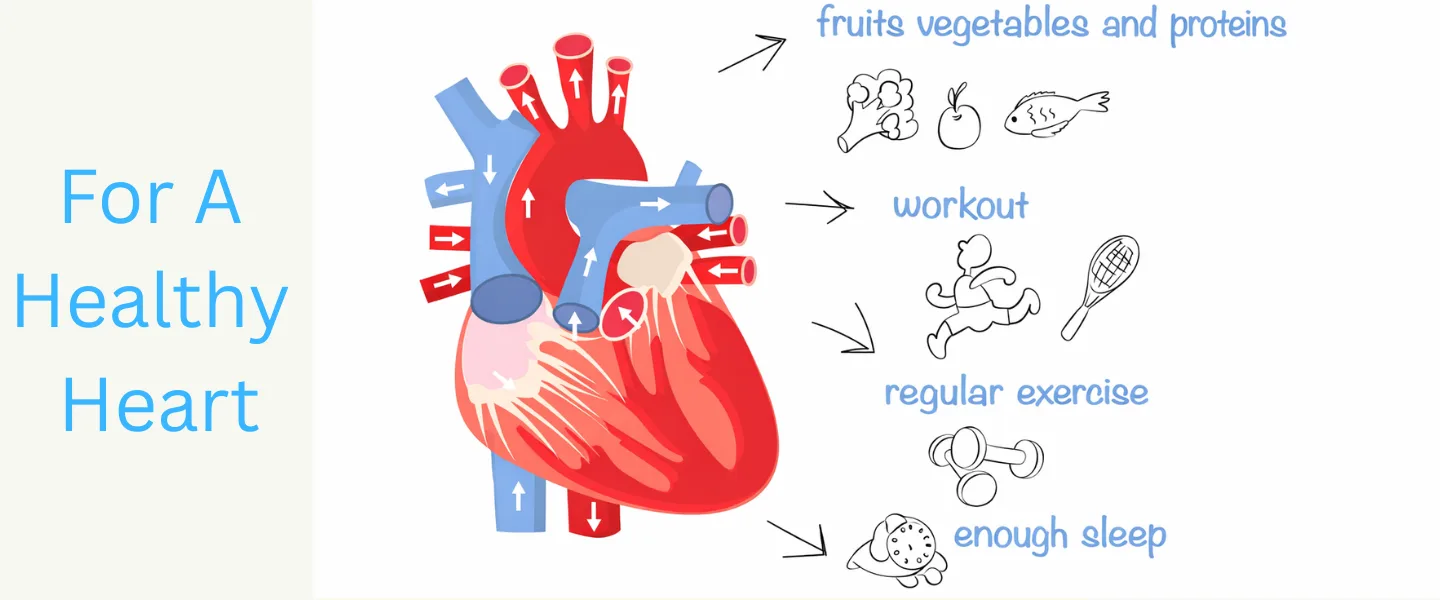
Regular physical activity.
Less salt.
No tobacco use.
Blood sugar control.
Maintaining healthy body weight.
Prevention is far more effective than treating advanced disease.
What Is Life Like Living With Heart Failure?
Living with heart failure requires continuous self-care and monitoring. Many individuals can live an active lifestyle with adequate treatment and support
Each day will need some of the following resources for managing your heart failure:
Weigh yourself on a regular basis.
Take your medications on a regular basis.
Follow your dietary restrictions.
Attend regular doctor appointments.
With discipline and understanding, many people can successfully manage their heart failure without being overwhelmed.
Why Is Heart Failure Awareness So Important?
Statistics indicate that global instances of heart failure are on a rise, and due to the increasing age of the population, the population of individuals diagnosed will continue to increase over time. Additionally, in order for individuals to help themselves, they need to be educated about heart failure.
The following are some ways in which educating individuals about heart failure can assist individuals, including:
Identifying the signs and symptoms of heart failure.
Seeking medical intervention if they suspect they have heart failure.
Knowing which risk factors place them at a higher risk for developing heart failure.
Decreasing the stigma surrounding heart failure.
Providing the resources needed to support someone who has heart failure.
Educating the public will ultimately save lives by encouraging people to take timely action.
Frequently Asked Questions
1. What is congestive heart failure?
It is a type of heart failure where fluid builds up in the lungs or body due to weak heart pumping.
2. Is heart failure dangerous?
Yes. Without proper treatment, it can lead to serious complications, but early care improves outcomes.
3. What are the early signs of heart failure?
Shortness of breath, swelling in legs, fatigue, and rapid heartbeat are common early symptoms
4. Can heart failure be cured?
Heart failure cannot usually be cured, but it can be managed effectively with treatment and lifestyle changes.
5. Who is at higher risk of heart failure?
Older adults, people with high blood pressure, diabetes, obesity, or prior heart attacks are at greater risk.
Final Thoughts
Heart Failure Awareness Week is a way to remind you that heart failure is a common & manageable condition. The sooner you know about your symptoms; the earlier you can manage them and get treated for them.
Increasing awareness will improve the chances of early diagnosis, preventing heart failure, and providing a strong community for people living with heart failure.
Read Also
References
Disclaimer
This article is for educational purposes only and does not replace professional medical advice. Always consult a qualified healthcare provider before starting or changing any treatment.



















Comments