


5 Fatal Autoimmune Diseases To Know About





Last updated on 07 Apr 2026
The immune system acts as a sophisticated internal shield, protecting the body from external pathogens like bacteria and viruses. However, when this system malfunctions, it incorrectly identifies healthy cells as foreign invaders.
While many conditions in the autoimmune disease list are manageable, certain deadly autoimmune diseases can become life-threatening if they attack the heart, brain, or kidneys. Understanding the causes of autoimmune diseases and identifying symptoms early is the most effective way to improve survival rates.
Key Takeaways
|
Do You Know the Causes and Triggers of Autoimmune Diseases?
A common question in clinical immunology is, "What triggers autoimmune diseases?" While the exact origin remains a subject of intense research, doctors generally agree that a combination of genetics and environmental factors plays a role.
Potential triggers include:
Genetic Predisposition: Certain markers make individuals more susceptible to specific systemic autoimmune diseases examples.
Environmental Toxins: Exposure to chemicals or cigarette smoke can "switch on" an autoimmune response.
Infections: Some viruses or bacteria may trigger a confused immune response (molecular mimicry).
Hormonal Shifts: Many conditions in the top autoimmune diseases list disproportionately affect women, suggesting a link to hormonal changes.
While you cannot entirely control genetics, you can prevent autoimmune disease flares by maintaining a healthy gut microbiome, managing stress, and avoiding known environmental triggers.
5 Fatal Autoimmune Diseases to Know About
When people ask, "Can autoimmune disease kill you?", the answer depends on which organs the immune system targets. Below are some of the most dangerous autoimmune diseases specialists treat today.
1. Giant Cell Myocarditis
This rare condition causes the immune system to attack the heart muscle, leading to severe inflammation and sudden heart failure.
It progresses very quickly, which is why it is considered one of the most dangerous autoimmune disorders.
Common symptoms include shortness of breath, chest pain, extreme fatigue, and irregular heartbeat.
Without early treatment, life expectancy may be limited to only a few months.
Many patients eventually require a heart transplant.
Immunosuppressive therapy is used to slow the damage to the heart while long-term treatment options are planned.
2. Systemic Vasculitis
In 2024, India published national expert-derived recommendations for ANCA-associated vasculitis, acknowledging regional disease patterns, testing strategies, and treatment approaches, including cyclophosphamide or rituximab combined with glucocorticoids for remission induction.
Vasculitis is a condition in which the immune system causes inflammation of the blood vessels.
This inflammation can reduce or completely block blood flow to vital organs.
Because it can affect different organs suddenly, vasculitis is considered one of the most dangerous autoimmune diseases.
Common symptoms include fever, loss of appetite, weight loss, tiredness, and body aches.
In severe cases, it may lead to kidney failure, bleeding in the lungs, or stroke.
Serious forms of vasculitis are treated with strong immunosuppressive medicines such as cyclophosphamide and cyclosporine under strict medical supervision.
3. Systemic Lupus Erythematosus (SLE)
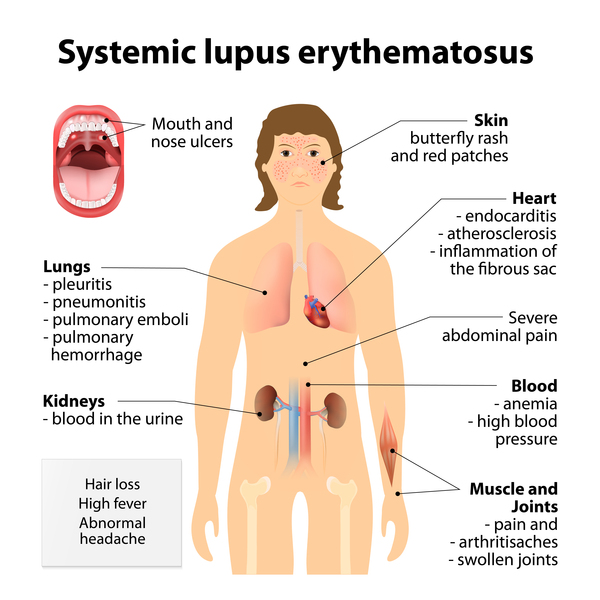
A population survey reported a SLE point prevalence of about 3.2 per 100,000 in India in 1993 (an older but widely cited study in India-focused reviews).
Lupus is a complex autoimmune disease that can affect multiple organs, including the skin, joints, kidneys, heart, and brain.
Because it can damage vital organs, lupus is considered one of the most severe autoimmune diseases, and doctors closely monitor it.
Lupus nephritis, which affects the kidneys, can significantly increase the risk of long-term kidney damage.
Treatment often includes hydroxychloroquine, which helps control the disease over the long term when taken as prescribed.
Although outcomes have improved over time, lupus remains one of the most serious autoimmune diseases managed by physicians.
4. Anti-NMDA Receptor Encephalitis
In this condition, the immune system produces antibodies that attack specific receptors in the brain.
This can lead to psychiatric symptoms such as depression, psychosis, seizures, abnormal movements, and loss of consciousness.
The disorder can affect both children and adults and may worsen very quickly.
Most patients require hospitalisation for detailed testing and treatment.
Treatment may include immunotherapy and removal of any underlying tumours, if present.
Despite advanced medical care, some patients do not survive, which is why this condition is considered a fatal autoimmune disorder in neurology.
5. Multiple Sclerosis (MS)
Dr Vineeta Shobha, Professor, Department of Clinical Immunology and Rheumatology, St John’s Medical College Hospital, Bengaluru, said Indian rheumatology work stresses that improving outcomes depends on earlier recognition, specialist referral, and consistent monitoring, especially for severe, organ-involving autoimmune disease.
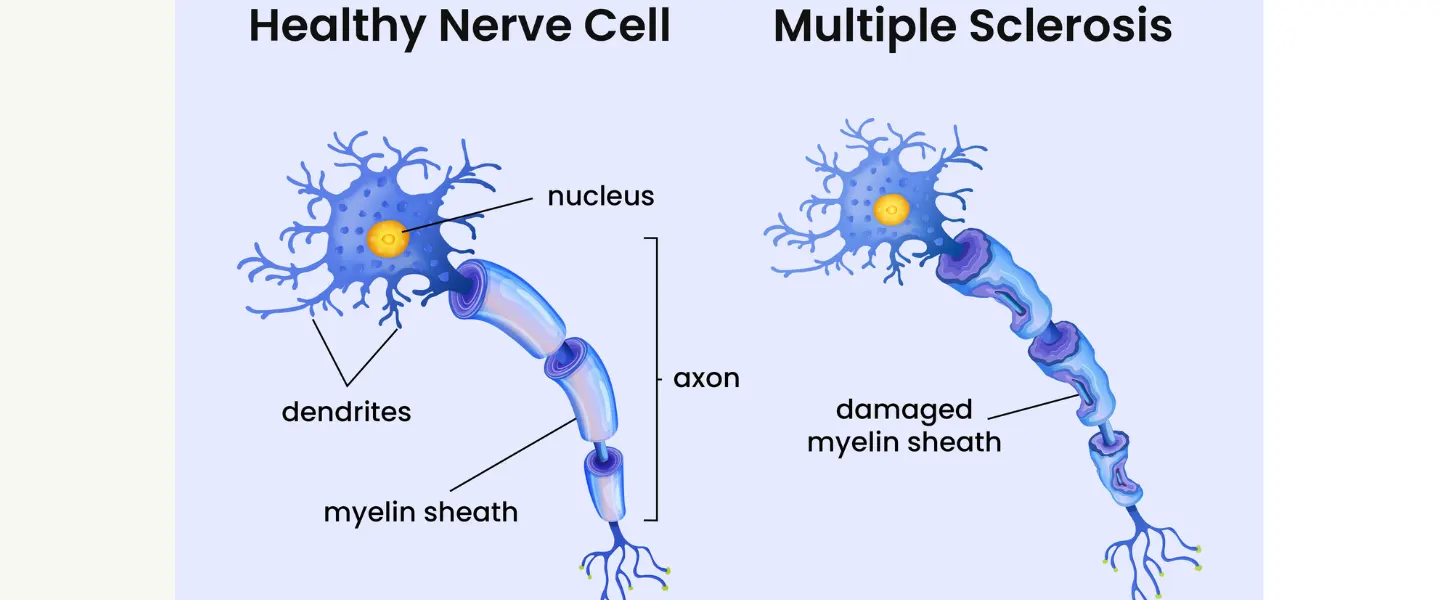
Multiple sclerosis occurs when the immune system attacks the protective covering (myelin) of nerves in the brain and spinal cord.
MS does not usually cause early death directly, but it can reduce overall health over time.
As the disease progresses, the body may become less able to fight infections.
Complications often arise from reduced mobility or difficulty swallowing, increasing the risk of infection.
MS commonly affects younger adults and can lead to long-term disability.
Some people consider MS one of the most serious autoimmune diseases because of its lasting impact on quality of life rather than immediate fatality.
Lifestyle Tips to Reduce Risk and Manage Autoimmune Diseases

Healthy Diet: Eat a balanced diet rich in fruits, vegetables, whole grains, and anti-inflammatory foods.
Regular Exercise: Stay physically active to improve overall immune and organ health.
Stress Management: Practice yoga, meditation, or relaxation techniques to reduce flare-ups.
Adequate Sleep: Ensure 7 to 8 hours of high-quality sleep each night.
Avoid Smoking and Alcohol: These can worsen inflammation and disease progression.
Regular Check-ups: Early monitoring helps prevent complications.
A Steady Approach to Your Care
Navigating a diagnosis from the autoimmune disease list involves a significant emotional and physical load. Understanding the symptoms and treatment of autoimmune disease is the first step toward stability. Modern medicine focuses on inducing remission through targeted therapies, allowing patients to maintain a high quality of life despite a serious diagnosis.
By staying vigilant about your symptoms and maintaining regular check-ups with a rheumatologist or neurologist, you can effectively manage these life-threatening immune system disorders.
Frequently Asked Questions
1. Can autoimmune disease kill you?
Yes, some autoimmune diseases can be life-threatening, especially when they affect vital organs such as the heart, lungs, or kidneys and lead to organ failure. However, with early diagnosis, regular monitoring, and appropriate treatment, many of these conditions can be effectively managed, significantly reducing the risk of serious complications.
2. What are the first signs of a serious flare?
The list of autoimmune diseases and symptoms usually starts with extreme fatigue, unexplained fever, sudden weight loss, or sharp pain in a specific organ area.
3. How is a definitive diagnosis made?
Doctors use a combination of blood tests (looking for specific antibodies), imaging, and, sometimes, a biopsy to confirm the condition.
4. Can autoimmune diseases be cured?
Most autoimmune diseases cannot be completely cured, but they can be effectively managed with medications, lifestyle changes, and regular monitoring to control symptoms and prevent complications.\
5. Who is at higher risk of developing autoimmune diseases?
Women, people with a family history of autoimmune conditions, and those exposed to certain infections or environmental triggers have a higher risk.
6. Can stress trigger autoimmune diseases?
Yes, chronic stress can weaken the immune system and may trigger or worsen autoimmune disease flares in some individuals.
Read Also
References
Diagnosis, Treatment, and Outcome of Giant-Cell Myocarditis in the Era of Combined Immunosuppression
https://www.niaid.nih.gov/diseases-conditions/autoimmune-diseases
Disclaimer: The information provided here is for general awareness and does not replace professional medical advice. If you are experiencing symptoms like chest pain, sudden confusion, or severe weakness, consult a medical professional immediately.


















Comments