


Top Immunosuppressant Medicines After Kidney Transplant -guide





Last updated on 06 May 2026
A kidney transplant can give a new lease on life, but it comes with one critical condition: your body must accept the new organ. This is where immunosuppressant medicines play a central role. These drugs reduce the activity of your immune system so it does not attack the transplanted kidney. Without them, rejection can happen quickly and lead to transplant failure.
This guide explains the most commonly used immunosuppressant medicines after a kidney transplant, how they work, their side effects, and what patients should know for long-term care.
Key Takeaways
|

A kidney transplant is not the end of treatment. It is the start of a lifelong routine that depends heavily on the right medicines. Immunosuppressants protect your new kidney by preventing your immune system from attacking it. Missing doses or taking the wrong combination can increase the risk of rejection. In India, where access, cost, and awareness vary widely, understanding these medicines becomes even more important.
This guide helps you clearly understand the commonly used drugs, how they work, and what to expect so you can manage your health more confidently after a transplant.
Why Are Immunosuppressants Needed After a Kidney Transplant?
After a transplant, the immune system recognises the new kidney as foreign and tries to attack it. This process is called rejection. Immunosuppressant drugs reduce this immune response and help the kidneys function normally.
Doctors usually prescribe a combination of medicines rather than a single drug. This approach improves effectiveness and reduces the risk of rejection.
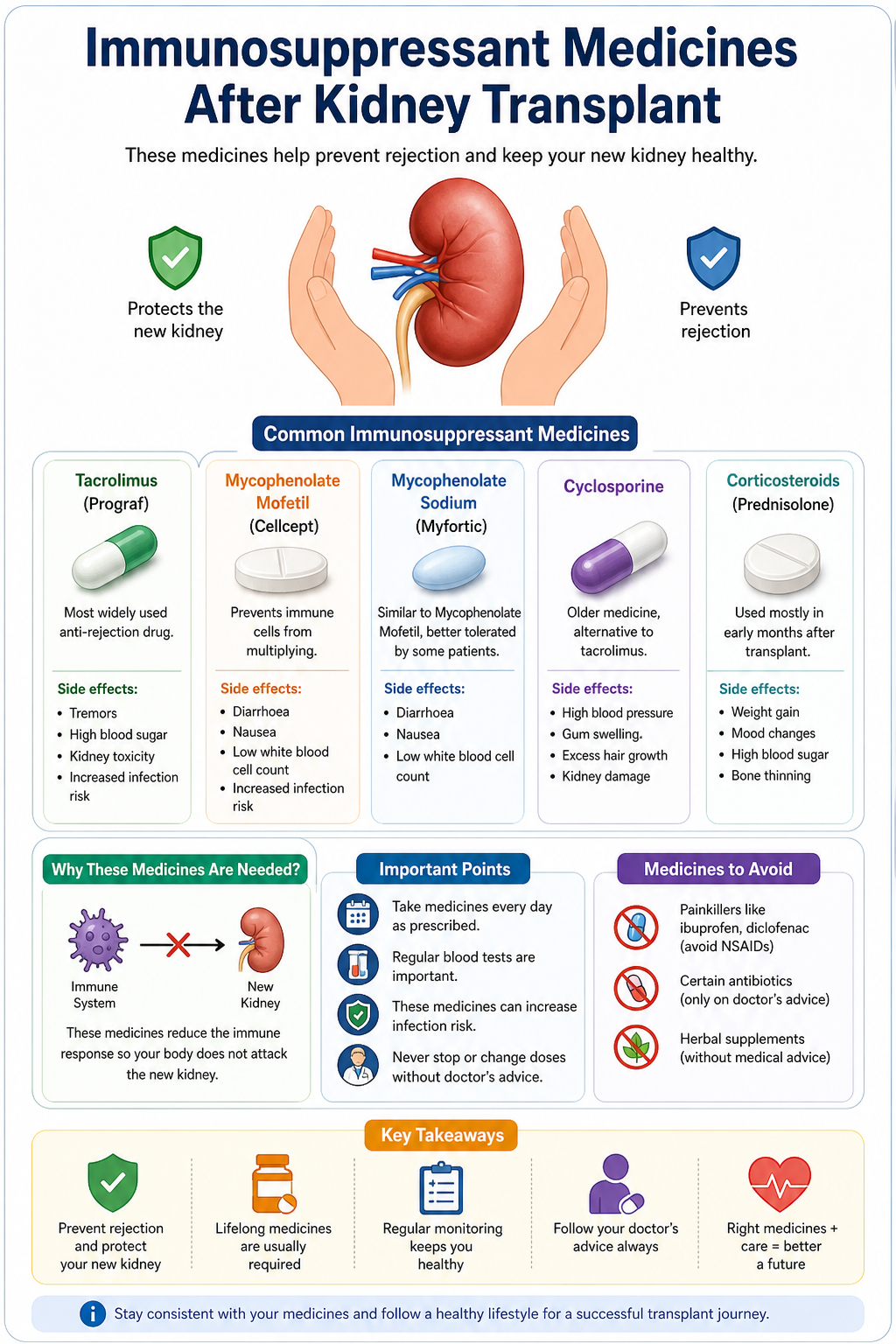
Common Immunosuppressant Medicines After Kidney Transplant
The Indian Society of Organ Transplantation and the Indian Council of Medical Research recommend that kidney transplant patients should be on lifelong immunosuppressant therapy using a combination of drugs like tacrolimus, mycophenolate, and steroids, along with regular monitoring to prevent rejection and complications.
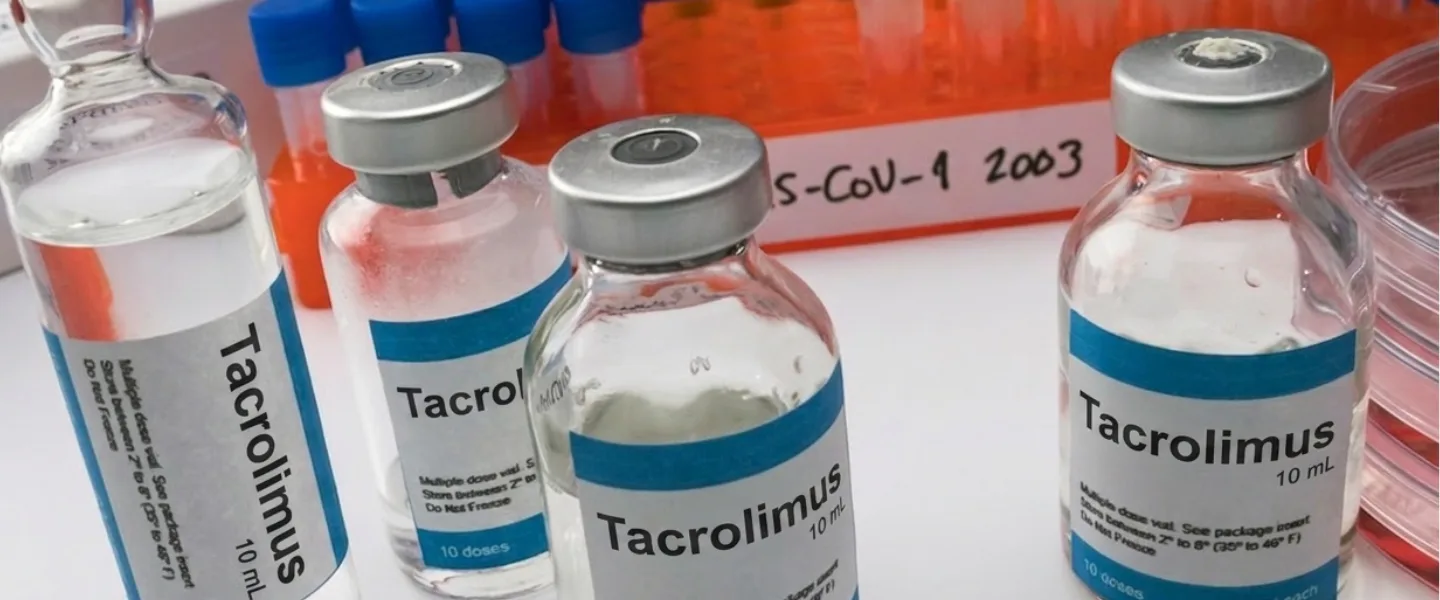
1. Tacrolimus
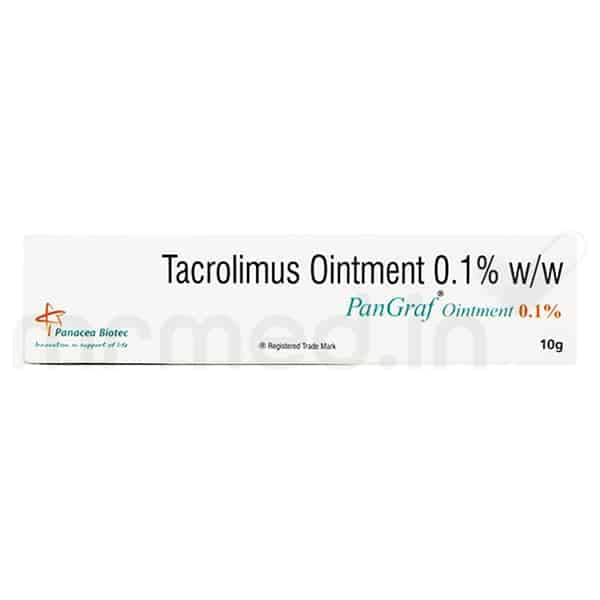
Tacrolimus is one of the most widely used anti-rejection drugs. It is commonly available under brand names such as Prograf and Pangraf.
Uses:
Prevents organ rejection after a kidney transplant.
Suppresses immune system activity.
Dosage:
Adjusted based on blood levels.
Taken daily, usually twice a day.
Side Effects:
Kidney toxicity,
Tremors,
High blood sugar,
Increased infection risk,
2. Mycophenolate Mofetil
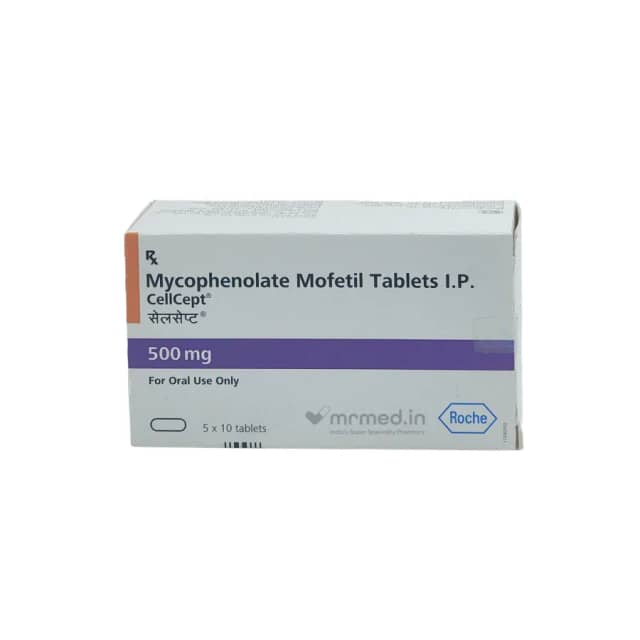
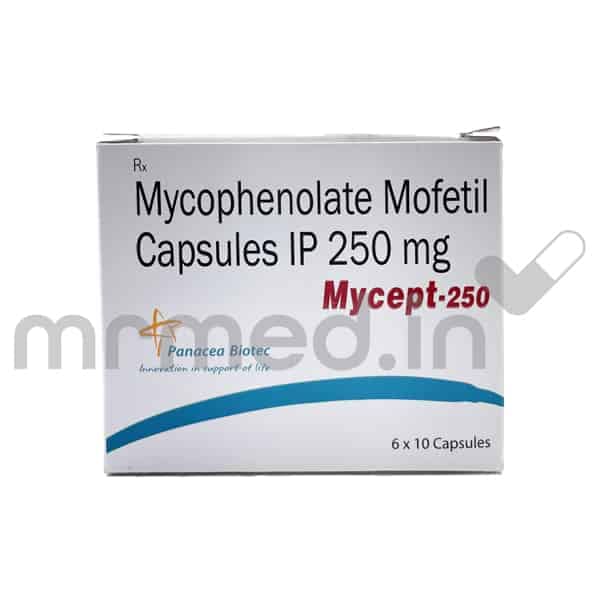
This medicine is often combined with tacrolimus. It is commonly available under brand names such as CellCept and Mycept.
Uses:
Prevents immune cells from multiplying.
Reduces rejection risk.
Side Effects:
Diarrhoea,
Nausea,
Low white blood cell count,
Increased infection risk.
3. Mycophenolate Sodium
A modified version of mycophenolate sodium is designed to reduce gastrointestinal side effects. It is commonly available under the brand name Myfortic.
Uses:
Same as mycophenolate mofetil.
Better tolerated in some patients.
Side Effects:
Similar to mycophenolate, but may cause less gastric irritation.
4. Cyclosporine
Cyclosporine is an older but still used as immunosuppressant
Uses:
Prevents organ rejection.
Alternative to tacrolimus.
Side Effects:
High blood pressure,
Gum swelling,
Excess hair growth,
Kidney damage.
5. Corticosteroids
Used especially in the early phase after transplant. Prednisolone is a commonly prescribed corticosteroid in this group.
Uses:
Reduces inflammation.
Controls immune response.
Side Effects:
Weight gain,
Mood changes,
High blood sugar,
Bone thinning.
6. mTOR Inhibitors
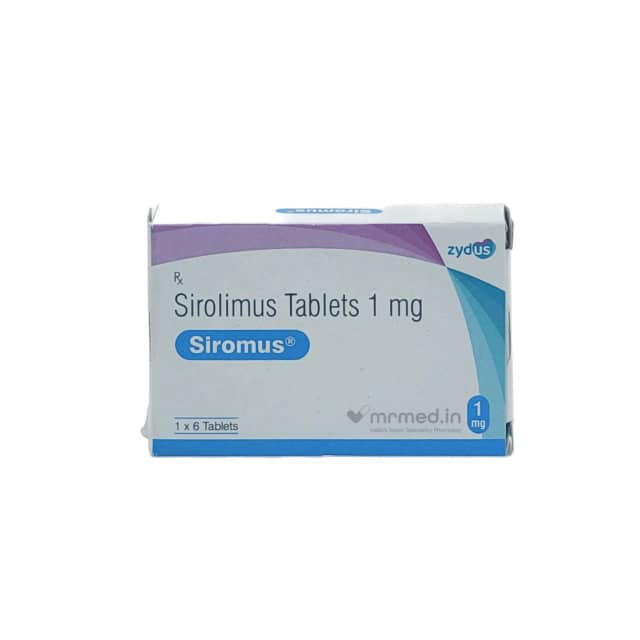
A newer class of drugs is used in selected patients. Common examples include sirolimus and everolimus
Uses:
Prevents cell growth involved in rejection.
Side Effects:
Delayed wound healing,
High cholesterol,
Mouth ulcers.

Tacrolimus vs Cyclosporine: Which Is Better?
Both drugs prevent rejection, but tacrolimus is more commonly used today.
Tacrolimus: Better rejection control but higher diabetes risk.
Cyclosporine: More side effects, such as gum swelling and hair growth.
Doctors choose based on the patient's condition and tolerance.
How Long Do You Need Immunosuppressants?
According to Dr Georgi Abraham, a senior nephrologist and former President of the Indian Society of Nephrology, immunosuppressant medicines are the backbone of transplant success, and even a short interruption in treatment can increase the risk of organ rejection.
In most cases, immunosuppressants are required for life. Stopping them can lead to rejection, even years after a successful transplant.
Dose adjustments may happen over time, but complete discontinuation is rare.
Cost of Kidney Transplant Medicines in India
According to the National Organ and Tissue Transplant Organisation, India performs over 8,000–10,000 kidney transplants every year, but thousands more patients remain on dialysis due to donor shortages. Long-term success depends largely on strict adherence to transplant medicines.
The cost varies based on drug type and brand:
Tacrolimus: Moderate to high cost.
Mycophenolate: Moderate cost.
Combination therapy: Can be expensive long-term.
Monthly expenses can range from ₹5,000 to ₹25,000 or more, depending on treatment.
Side Effects of Immunosuppressants
While these medicines are essential, they come with risks:
Increased infections,
Higher cancer risk over time,
Kidney and liver effects,
High blood pressure,
Diabetes.
Regular blood tests and doctor visits are necessary to manage these risks.
Medicines to Avoid After Kidney Transplant
Some drugs can interfere with immunosuppressants or harm the kidneys:
NSAIDs (painkillers like ibuprofen).
Certain antibiotics.
Herbal supplements without medical advice.
Always check with your doctor before taking any new medicine.
New Advances in Anti-Rejection Drugs
Research is ongoing to develop safer and more effective drugs. New therapies focus on:
Reducing side effects.
Lowering infection risk.
Improving long-term graft survival.
However, current standard treatments remain the backbone of care.
Frequently Asked Questions
1. What are the best medicines after a kidney transplant?
A combination of tacrolimus, mycophenolate, and steroids is commonly used for the best results.
2. Can I stop immunosuppressants after a few years?
No. Stopping medication can lead to organ rejection, even after many years.
3. What are the side effects of tacrolimus?
Common effects include tremors, high blood sugar, and kidney-related issues.
4. Is cyclosporine still used?
Yes, but less commonly than tacrolimus due to its side-effect profile.
5. How often should I monitor my health after a transplant?
Regular blood tests and follow-ups are required to monitor drug levels and kidney function.
Final Thoughts
A kidney transplant can improve quality of life, but it only works well if you stay consistent with your medicines. Immunosuppressants are not optional. They protect your new kidney every single day. Missing doses, stopping treatment, or self-adjusting medicines can lead to serious complications, including rejection.
Focus on building a routine, attending regular check-ups, and staying in touch with your doctor. With the right care, discipline, and awareness, many people live long and stable lives after a transplant. The key is simple: take your medicines seriously, because your transplant depends on it.
Read Also
References
1. Abujawdeh B, Wadei HM. Immunosuppression in kidney transplant recipients: an update for the general nephrologist. Adv Kidney Dis Health. 2024 Sep;31(5):408–415. doi:10.1053/j.akdh.2024.05.001. PubMed PMID: 39232611 https://pubmed.ncbi.nlm.nih.gov/39232611/.
2. Qayyum S, Shahid K. Comparative safety and efficacy of immunosuppressive regimens post-kidney transplant: a systematic review. Cureus. 2023 Aug 22;15(8):e43903. doi:10.7759/cureus. 43903. PubMed PMCID: PMC10512192https://pubmed.ncbi.nlm.nih.gov/37692645/.
3. Karimi MH, Daneshmandi S, Pourfathollah AA. Immunosuppressive drugs. PMC. 2022;PMC8987166. doi:10.5772/intechopen. 92140. PubMed PMCID: PMC8987166https://pmc.ncbi.nlm.nih.gov/articles/PMC8987166/.
Disclaimer
This article is for general informational purposes only and is not a substitute for medical advice. Immunosuppressant medicines require careful monitoring and must be taken exactly as prescribed. Do not start, stop, or change any medication without consulting your transplant specialist. Individual treatment plans vary based on medical condition, and only a qualified doctor can provide personalised guidance.















Comments