

January Is National Birth Defects Prevention Month





Last updated on 16 Jan 2026
Keytakeaways
|
A healthy pregnancy is not just about “eating well.” It is about planning, protecting, and preventing. That is why January is widely recognised as National Birth Defects Prevention Month. It is the perfect time to remind families that small steps taken before and during pregnancy can reduce serious health risks for babies.
The truth is: not every problem can be prevented, but many risks can be reduced when parents know what to do early on.
What Are Birth Defects and Why Do They Matter
Birth defects are health problems that a baby is born with. They can affect the structure or function of the body. For example, some babies may have issues in the heart, brain, spine, or limbs. These conditions often develop during the first 3 months of pregnancy when the baby’s organs are forming.
Many parents look up birth defect symptoms in babies, but not all birth defects are visible immediately. Some are detected only through scans or tests after birth. Early screening and medical care can improve outcomes.
Worldwide, birth defects are a major cause of infant health complications. The World Health Organisation estimates that birth defects cause hundreds of thousands of newborn deaths globally each year. This is why awareness and prevention matter so much.
Birth Defects: Causes and Risk Factors
A major India-focused meta-analysis in 2013 estimates a birth prevalence of congenital anomalies at around 2% and projects that ~5.1 lakh births in India may be affected annually (based on that year's births).
Some birth defects are inherited. The environment plays a major role in the development of birth defects, and many birth defects are linked to genetics and lifestyle factors.
The following are examples of common risk factors associated with a higher risk for birth defects:
Genetic disorders in your family history.
Poor maternal nutrition.
Infections during pregnancy.
Tobacco, alcohol, or drugs.
Uncontrolled diabetes.
Exposure to hazardous chemicals or radiation.
Taking medication without medical supervision.
Having children after the age of 35.
In India specifically, the rate of congenital anomalies is often perceived by many families due to the high rate of birth defects experienced in India (particularly due to lack of prenatal care and nutrition).
Why January Awareness Month Is Important
January has been designated as National Birth Defects Awareness Month in India. However, even today, many individuals remain unaware of Birth Defects Awareness Month, its goals and objectives, and how it may benefit them. The goal of the month is to raise awareness regarding Birth Defects, to assist families in identifying, understanding, and taking proactive steps toward Birth Defects through early detection, early management and support.
In addition, the National Birth Defects Prevention Month 2026 will continue to assist women in becoming more knowledgeable and prepared for a healthier pregnancy through encouragement and the promotion of:
Safe lifestyle choices while pregnant.
Proper nutritional intake and the use of appropriate supplements.
Regular medical check-ups and sonograms.
Early detection and timely treatment intervention.
As a result, in January, the volume of searches for "National Birth Defects Awareness Month India" and "National Birth Defects Awareness Month 2025" generally increases, as more parents search for reliable sources of information to support their efforts to maintain their children's health.
The Role of Nutrition and Folic Acid
Nutrition is a principal strategy in pregnancy prevention. Most prevention programs focus on the advantages of consuming folic acid during pregnancy to reduce the risk of developing serious spinal/brain deformities (neural tube defects).
To help with proper fetal development, physicians typically recommend;
400 mcg of folic acid/day 1 month before conceiving, as well as to the first trimester (0-12wks of gestation),
Iron, Calcium, Iodine and Vitamin D as recommended by healthcare providers
Protein-based meals and nutrition
It is common practice for pregnancy checklists to include recommendations for a healthy baby before conception.
Screening and Tests That Help Detect Problems Early
Screening during pregnancy is not meant for finding out the baby’s sex. In fact, in India, fetal sex determination is strictly banned by law, even though it may be allowed in some other countries. The real purpose of screening is to track the baby’s growth and, more importantly, to detect health problems early.
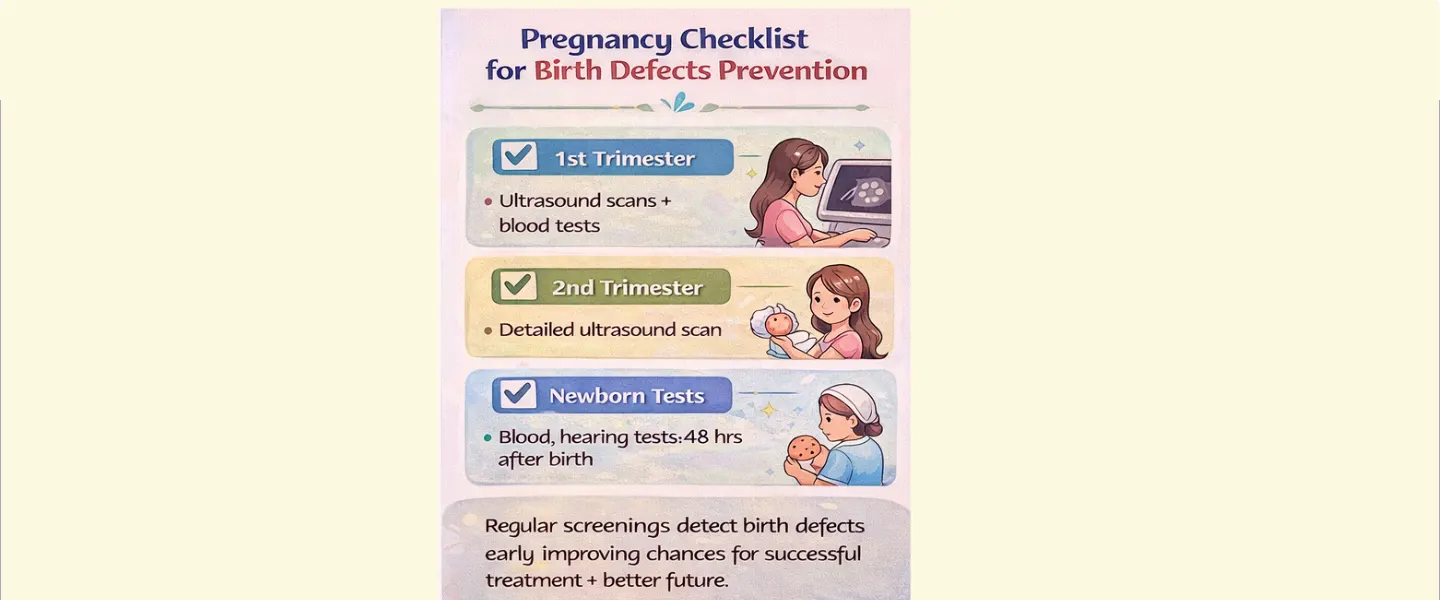
Pregnancy screening includes routine tests like blood work and ultrasound scans. These tests help doctors identify possible risks in time, so the right care and treatment can be planned without delay.
Routine pregnancy screening includes the following:
Ultrasound examinations
Blood draws from the mother
Combination NT and Anomaly Scans
Testing for infections and diabetes
Newborn screening after birth
Congenital heart defects (CHD) are among the most frequently occurring groups of birth defects in infants all over the world. If diagnosed early enough, there are many ways to treat congenital heart defects successfully.
Prevention Steps Before Pregnancy
Dr Renu Saxena, Senior Consultant, Institute of Medical Genetics & Genomics, Sir Ganga Ram Hospital, New Delhi, highlights through her genetics practice focus that genetic counselling and early screening help families understand risks and plan pregnancy safely, especially when there is a family history of genetic disorders or a previous affected pregnancy.
In India, where couples are trying to conceive, we have an opportunity to teach families how to properly plan and prevent birth defects using evidence-based approaches to health and well-being.
The steps for prevention include:
Preconception checkups
Review of family histories
Elimination of smoking, alcohol and drugs,
Managing Diabetes and/or Thyroid Disorders,
Use of Folic Acid supplements
Vaccines commonly advised before pregnancy (as per doctor guidance):
Rubella (MR/MMR vaccine): protects against rubella infection, which can cause serious birth defects if infection happens during pregnancy
Hepatitis B vaccine: protects mother and baby from transmission
Varicella (Chickenpox vaccine): important if the woman has never had chickenpox or vaccination
HPV vaccine (optional but recommended before pregnancy age): reduces cervical cancer risk, best taken before pregnancy planning
Additionally, Couples at risk for increased genetic problems should seek Genetic Counselling if they meet the following criteria:
Prior pregnancy with a complication (e.g., premature birth, miscarriage, stillbirth)
Consanguinity (marriage within the bloodline)
Multiple consecutive miscarriages
By utilising Genetic Counselling, Families can understand their risks of problems and plan to have safe pregnancies.
Prevention Steps During Pregnancy
Maintaining a consistent, healthy lifestyle is the best strategy to minimise the chance of having a baby born with a birth defect. Prevention is not about being perfect; it's about making good decisions each day. Some key activities include:
Your physician monitors both the mother and the child during regular antenatal check-ups.
Prenatal vitamins taken precisely as prescribed include folic acid and iron.
Do not start or stop medication without consulting a physician; only take medications approved by your physician.
Protect yourself against infections by practising good hygiene, avoiding sick individuals, and following vaccine guidelines.
Be cautious about food safety when consuming raw or undercooked animal products found on street corners, as they may contain bacteria.
Minimise exposure to toxic chemicals such as pesticides, strong cleaning products, industrial chemicals, and heavy metals.
Treatment and Support Options
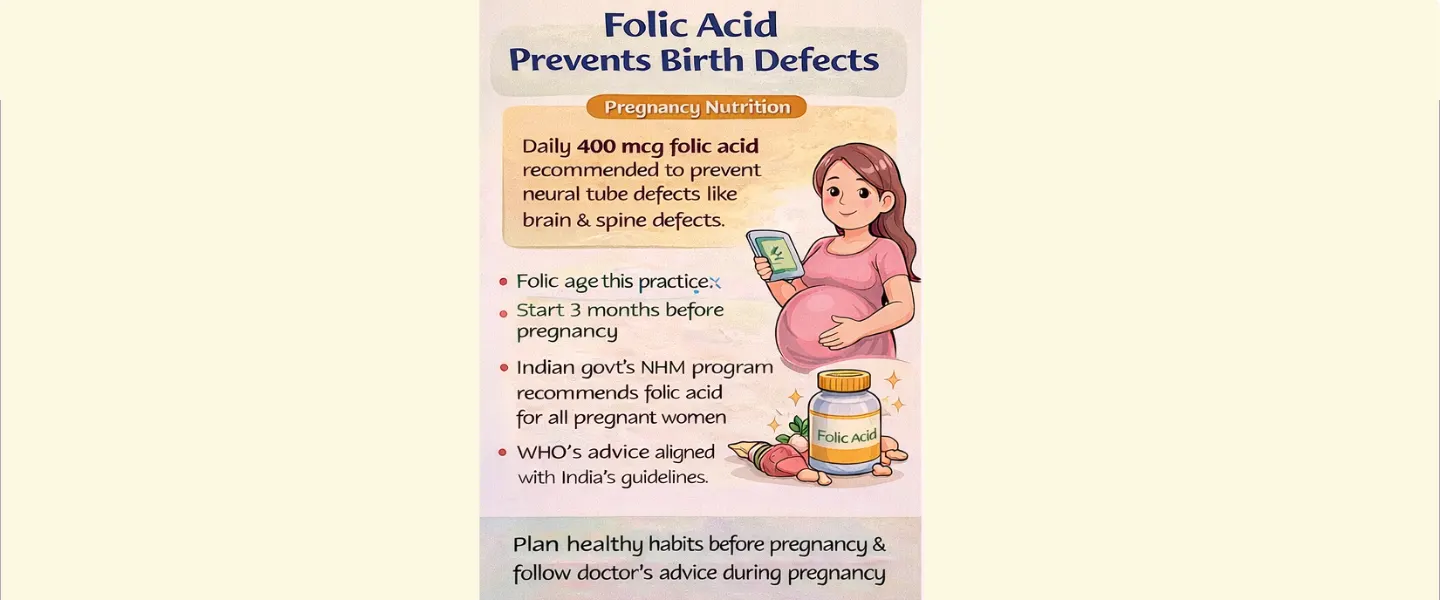
India’s National Health Mission (under MoHFW) in 2025, clearly advises that women in the pre-conception period and during the first trimester should take 400 mcg of folic acid daily to reduce the risk of neural tube defects (serious brain/spine birth defects).
The misconception that congenital anomalies are untreatable persists among many people. However, this assumption is inaccurate. Today, patients can take advantage of many treatment options for congenital anomalies, depending on their specific needs and circumstances. Treatments may include:
Surgery for cleft lip/palate
Heart surgery for congenital heart defects
Physiotherapy and rehabilitation for problems with limbs
Specialised care plans to address developmental delays.
Early detection can increase the likelihood of a higher quality of life.
Final Thoughts
Prevention should be approached by being informed and making the safest choices available to give your child the best chance at a healthy start. National Birth Defects Prevention Month is a time to educate on the importance of healthy habits pre-conception, proper nutrition, screening, and treatment, as well as on reducing the risk of birth defects to improve birth outcomes.
Though it is impossible to stop every birth defect from occurring, by taking the appropriate steps early in pregnancy, the effects may be mitigated significantly.
FAQs
1) Can birth defects be prevented completely?
Good nutrition, folic acid, and avoiding alcohol and smoking can help reduce a lot of the risk associated with birth defects, but not all of them can be avoided.
2) What is the most important vitamin to prevent birth defects?
Folic acid is a very important nutrient during early pregnancy because it can help protect against neural tube defects.
3) When should screening be done to detect birth defects?
Screening for birth defects begins with early pregnancy blood work and ultrasounds. The mid-pregnancy anomaly ultrasound is particularly important for identifying potential defects.
4) What are common birth defect warning signs in newborns?
If you notice any signs of difficulty breathing, feeding problems, unusual heart sounds, blue-tinged skin, abnormal limb formation, or delayed reflexes, be sure to talk to your health care provider as soon as possible.
5) Who should consider genetic counselling before pregnancy?
Couples who have a family history of birth defects, have had multiple miscarriages, have older mothers, or have had a previous child with defects should seek genetic counselling.
Read Also
References
Disclaimer: The content in this blog is for general informational purposes only and is not a substitute for professional medical advice, diagnosis, or treatment. Always consult your doctor or a registered dietitian before making any changes to your diet, especially if you have a medical condition or are taking prescribed medication. While the information is based on trusted sources, individual needs and results may vary. MrMed does not promote or endorse any specific food or treatment mentioned unless explicitly stated.










Comments