

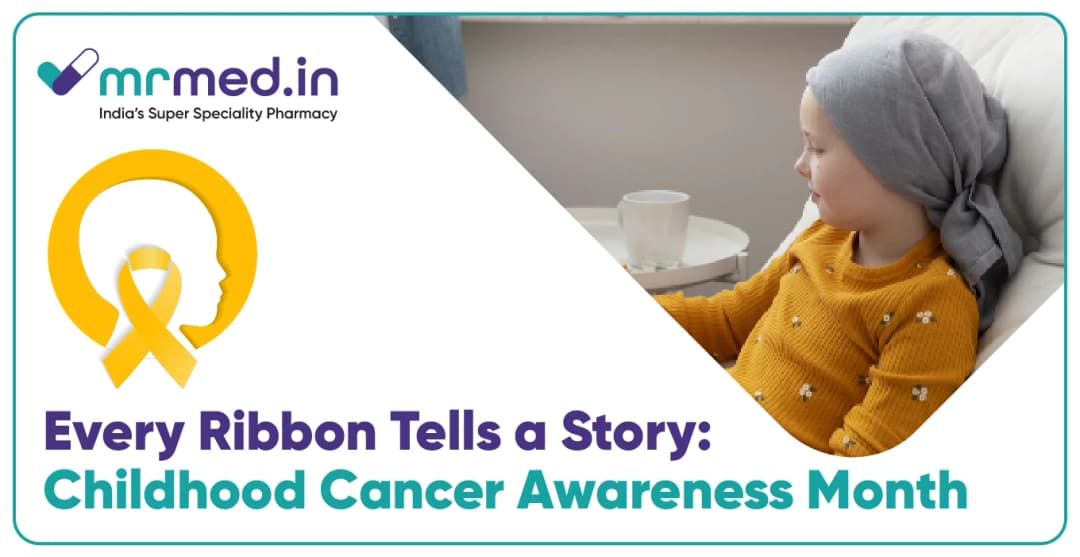
Childhood Cancer Awareness Month





Last updated on 02 Jan 2026
Childhood Cancer Awareness Month
Shining Gold For Little Fighters
September is a special month dedicated to highlighting a cause that touches the lives of millions worldwide. Childhood Cancer Awareness Month 2025 serves as a platform to celebrate the courage of young warriors battling cancer and their families while emphasizing the critical need for research, awareness, and support. In this blog, we explore why this observance matters, ways to contribute, and how knowledge can make a real difference.
Understanding Childhood Cancer
Childhood cancer refers to a variety of cancers affecting children and teenagers. Though less common than adult cancers, these illnesses profoundly impact families and communities. Types include leukemia, brain and spinal cord tumors, childhood bone cancers, lymphomas, neuroblastoma, nephroblastoma, rhabdomyosarcoma, and retinoblastoma. Unlike adult cancers, most childhood cancers arise due to genetic mutations rather than lifestyle or environmental factors, making prevention difficult.
According to the indian cancer society in India, the number is approximately 50,000 new cases annually. These figures highlight the importance of spreading awareness during Childhood Cancer Awareness Month 2025.
The Role Of Awareness
Childhood cancer awareness month is more than just a date on the calendar—it’s a movement. By shining a light on the challenges children face, awareness drives research funding, improves treatment options, and encourages community support.
Awareness activities can include:
-
Educating communities about symptoms and early detection.
-
Supporting local and national pediatric cancer organizations.
-
Engaging in campaigns to reduce social stigma and financial challenges.
In India, childhood cancer awareness India initiatives have grown in recent years, with hospitals, NGOs, and social media campaigns actively participating. Every small action, from wearing a ribbon to donating, contributes to a larger impact.
Dr. Nita Radhakrishnan, Associate Professor, Department of Pediatric Haematology-Oncology initiated Childhood Cancer Awareness Month at PGI, New Delhi, delivering a talk on "Treatment of Acute Leukemias in Children" at a workshop organized by Maulana Azad Medical College in September 2025.
Various Types Of Childhood Cancers
Understanding the different types of childhood cancers helps in early identification and treatment. The table below summarizes the common types, symptoms, and key notes:
| Type of Cancer | Description & Key Facts | Common Symptoms |
| Leukemia | Cancer of bone marrow cells; most common in children | Fever, infections, fatigue, anemia, leg/joint/back pain, unusual bleeding, loss of appetite/weight |
| Brain & Spinal Cord Tumors | Tumors in the brain/spinal cord, including glial and embryonal tumors | Headaches, nausea, vomiting, seizures, blurred/double vision, dizziness, difficulty walking |
| Neuroblastoma | Tumor in nerve cells usually starts in adrenal glands | Swollen belly, bone pain, fever, weight loss, breathing/swallowing difficulties |
| Nephroblastoma (Wilms Tumor) | Kidney tumor from immature cells | Abdominal lump/swelling, pain, fever, nausea, loss of appetite, weight loss |
| Lymphomas | Cancer of lymphocytes (NHL & HL) | Swollen lymph nodes (neck, groin, armpit), fever, fatigue, night sweats, weight loss |
| Rhabdomyosarcoma | Cancer of skeletal muscles can appear anywhere | Pain, swelling, lumps in head/neck, abdomen, pelvis, groin, limbs |
| Retinoblastoma | Eye tumor affecting young children | Eye color changes, crossed eyes, eye pain |
| Bone Cancers | Osteosarcoma & Ewing sarcoma | Bone pain, swelling, fractures |
Quick Fact: The childhood cancer awareness ribbon color is gold, symbolizing the precious lives of children fighting cancer.
According to the International Agency for Research on Cancer (IARC), more than 275,000 new cases of cancer occur annually in children and adolescents aged 0–19 years worldwide.
How Can You Engage
Turning awareness into action is key to making a difference during childhood cancer awareness month 2025. Here’s how you can participate:
1. Wear Gold Ribbons
Gold is the recognized childhood cancer awareness color. Wearing a ribbon, clothing, or accessories in gold can spark conversations and show solidarity.
2. Donate
Support credible organizations funding pediatric cancer research, treatment, and family support. Even small contributions can significantly impact ongoing care initiatives.
3. Raise Awareness
Use social media, blogs, or community events to share knowledge about childhood cancer awareness slogans and facts. Educate others about early detection, symptoms, and treatment options.
4. Volunteer
Assist local hospitals, NGOs, or awareness campaigns. Tasks may include organizing events, mentoring families, or fundraising for pediatric cancer care.
5. Support Families
Providing practical guidance, emotional support, or simply listening can make a big difference. Families navigating treatment schedules, hospital visits, and financial challenges need community solidarity.
Table: Ways to Engage and Support
|
Action |
How It Helps |
|
Wearing gold ribbons |
Raises awareness and sparks conversations |
|
Donating |
Funds research and treatment programs |
|
Social media awareness |
Spreads education about symptoms, treatments, and support |
|
Volunteering |
Provides hands-on assistance and emotional support |
|
Family support |
Offers guidance, comfort, and community solidarity |
Tip: Sharing a childhood cancer awareness poster online or offline can amplify your impact and reach a wider audience.
Challenges Faced By Young Patients
Childhood cancer isn’t just physically demanding, it’s emotionally, socially, and financially challenging. Young patients face:
-
Treatment Struggles: Chemotherapy, radiation, and surgeries disrupt normal life and school routines.
-
Psychological Stress: Anxiety, depression, and social isolation can affect development.
-
Family Burden: Parents balance hospital visits, treatment decisions, and finances.
-
Long-term Health Effects: Some treatments may cause lasting health complications.
Table: Key Challenges of Childhood Cancer
|
Area of Challenge |
Description & Impact |
| Physical |
Side effects of treatments, pain, and reduced energy |
|
Emotional |
Stress, anxiety, fear, depression |
|
Educational |
Missed school, learning gaps |
|
Social |
Isolation, peer difficulties |
|
Financial |
Treatment costs, travel, and family income impact |
Understanding these challenges emphasizes why childhood cancer awareness India campaigns are vital. Knowledge, empathy, and support can transform outcomes for young patients and their families.
In Unity, There's Strength
As childhood cancer awareness month approaches, let’s stand together to support young fighters. Actions like fundraising, volunteering, and social awareness campaigns make a tangible difference.
-
Schools and workplaces can host gold-themed events.
-
Local communities can organize charity runs or awareness seminars.
-
Online platforms can share childhood cancer awareness month facts and statistics.
Every contribution, big or small, empowers children and families navigating this journey.
Quick Tips
-
Engage your community with gold-themed campaigns.
-
Share educational posts about childhood cancer awareness slogans.
-
Support families emotionally and practically.
-
Promote early detection by understanding key symptoms.
FAQs
1. What is Childhood Cancer Awareness Month?
Every September, we celebrate Childhood Cancer Awareness Month to shine a light on the brave children battling cancer and their families. It’s a chance to raise awareness, promote early detection, highlight research needs, and show support for little warriors everywhere.
2. Why is the awareness ribbon gold?
The gold ribbon represents childhood cancer awareness. Gold was chosen because it symbolizes something precious, just like children. Wearing it is a simple way to show solidarity and remind people about the importance of supporting kids fighting cancer.
3. How can I support Childhood Cancer Awareness Month?
You can make a difference in several ways:
-
Wear gold: Ribbons, clothing, or accessories in gold help start conversations.
-
Share awareness online: Use social media to educate friends and family.
-
Donate: Even small donations help research and provide support to families.
-
Volunteer: Offer your time at hospitals, awareness campaigns, or NGOs.
4. What are the most common types of childhood cancers?
Children can develop various cancers, with some being more common than others:
-
Leukemia: Blood and bone marrow cancer, most common in kids.
-
Brain & spinal cord tumors: Affect the central nervous system.
-
Neuroblastoma: Starts in nerve cells, often near the adrenal glands.
-
Wilms tumor (nephroblastoma): A kidney cancer affecting young children.
-
Lymphomas: Cancers of the lymphatic system (Hodgkin & Non-Hodgkin).
-
Rhabdomyosarcoma: Cancer of muscles, can appear anywhere in the body.
-
Retinoblastoma: Eye tumor, often seen in infants and toddlers.
-
Bone cancers: Osteosarcoma and Ewing sarcoma affecting bones.
5. How common is childhood cancer?
Worldwide, nearly 300,000 children are diagnosed with cancer every year. In India, around 50,000 new cases are reported annually. While it’s less common than adult cancers, the impact on families and communities is significant, making awareness crucial.
6. What are the symptoms of childhood cancer?
Symptoms vary depending on the cancer type, but watch out for:
-
Unexplained weight loss or loss of appetite
-
Persistent fever or frequent infections
-
Headaches, nausea, or vomiting
-
Swelling, lumps, or unusual bumps
-
Easy bruising or bleeding
-
Vision changes or crossed eyes
-
Fatigue, pale skin, or weakness
Early detection can make treatment more effective, so knowing the signs is key.
7. What is the survival rate for childhood cancer?
Survival has improved greatly over the years. In high-income countries, more than 80% of children survive, while in low- and middle-income countries, survival rates are improving but still lower. Early diagnosis, advanced treatment, and strong support systems make a big difference.
8. How can I get involved during Childhood Cancer Awareness Month?
There are lots of ways to help:
-
Join events: Walks, fundraisers, and awareness programs.
-
Fundraise: Organize or contribute to campaigns supporting children with cancer.
-
Educate: Share facts, posters, or stories to raise awareness.
-
Advocate: Encourage policies that fund pediatric cancer research and support programs.
Even small actions, like wearing gold or sharing a post, can contribute to a larger impact.
Awareness Is The Greatest Agent For Change
Childhood cancer awareness month 2025 reminds us that awareness isn’t just about recognition—it’s about action. By knowing the signs, supporting families, advocating for research, and spreading the message, we can create a compassionate environment for young warriors.
Remember: wearing the gold ribbon, donating, volunteering, or simply talking about childhood cancer can light the path for a brighter, healthier future for every child.
Together, we can ensure that no child battles cancer alone.
Read Also
References
-
Quintero K, Berrio I, Arenas E, et al. Global Initiative for Childhood Cancer: progress and challenges in Panama. Rev Panam Salud Publica. 2023;47:e154. Published 2023 Oct 15. doi:10.26633/RPSP.2023.154 https://pmc.ncbi.nlm.nih.gov/articles/PMC10580196/
Disclaimer: The content in this blog is for general informational purposes only and is not a substitute for professional medical advice, diagnosis, or treatment. Always consult your doctor or a registered dietitian before making any changes to your diet, especially if you have a medical condition or are taking prescribed medication. While the information is based on trusted sources, individual needs and results may vary. MrMed does not promote or endorse any specific food or treatment mentioned unless explicitly stated.













Comments