

Most Expensive Cancer Drugs In India: What To Know?





Last updated on 03 Aug 2026
Cancer treatment in India can be extremely costly, especially with newer targeted therapies and immunotherapy drugs. Medicines such as Obinutuzumab, Ibrutinib, and Pembrolizumab can cost several lakhs per cycle, making access difficult for many patients. High research costs, complex manufacturing, and limited generic options contribute to these prices.
Key Takeaways
|
Cancer care often involves prolonged treatment, hospital visits, and specialised medicines. Many high-cost drugs are developed by global pharmaceutical companies, which influences pricing in India. While some institutions, such as Tata Memorial Hospital and AIIMS, offer subsidised care, affordability remains a major concern. Expanding access to generics, patient assistance programmes, and public health schemes continues to play a key role in improving access to cancer care across the country.
Cancer, one of the most devastating diseases worldwide, is also one of the most expensive to treat, especially in developing nations such as India. For many cancer patients, accessing the best treatments can be a challenge due to the high costs of medicines. This blog dives into the most expensive cancer drugs available in India, explores why they are so costly, and examines how these prices affect patients.
Why is cancer treatment so expensive?
The high cost of cancer medicines stems from several factors, including the extensive research and development required to develop a new drug. Developing a cancer drug requires years of research, multiple clinical trials, and significant financial investment. On top of that, the production of medicines like biologics and targeted therapies is more complex than that of traditional pharmaceuticals, which adds to their overall price.
Cancer is a life-threatening disease, and in many cases, patients require targeted therapies or immunotherapies. These therapies are designed to attack specific cancer cells without affecting normal cells, making them more effective but also significantly more expensive than older treatments like chemotherapy.
Other contributing factors include the rarity and seriousness of certain cancers, which lead to lower competition among manufacturers and fewer generics available in the market. Additionally, the cost of cancer drugs in India is often influenced by global pricing, as many of these medications are developed by international pharmaceutical companies.
10 Most expensive cancer drugs in India
Drug Name | Strength & Unit | MRP (INR) | Manufacturer | Indication | Alternative Brand (if available) | Alternative MRP (INR) |
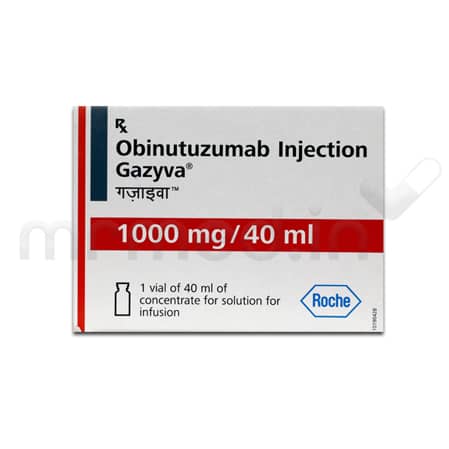
1000mg/40ml | ₹3,99,305 | Roche | Blood cancer | No alternative available | N/A | |
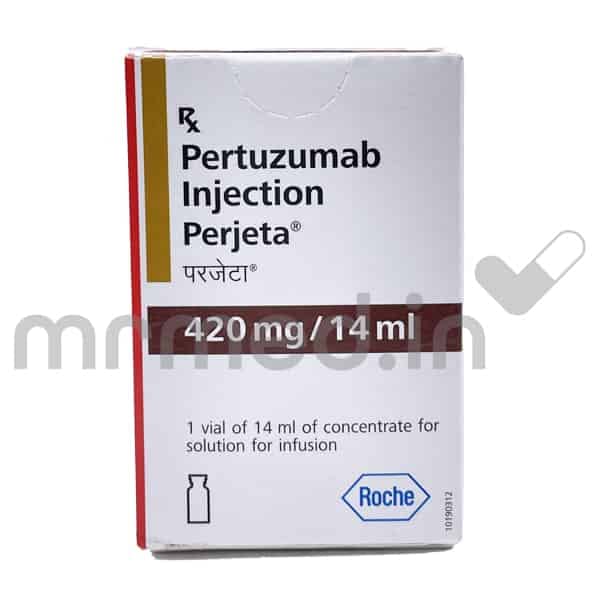
420mg/14ml | ₹2,75,562 | Roche | Breast cancer | No alternative available | N/A | |
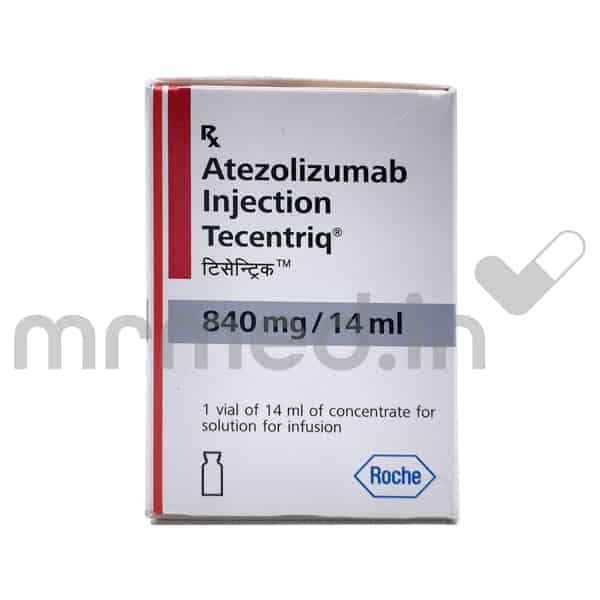
840mg/14ml | ₹2,77,708 | Roche | Bladder, liver, breast, lung cancer | No alternative available | N/A | |
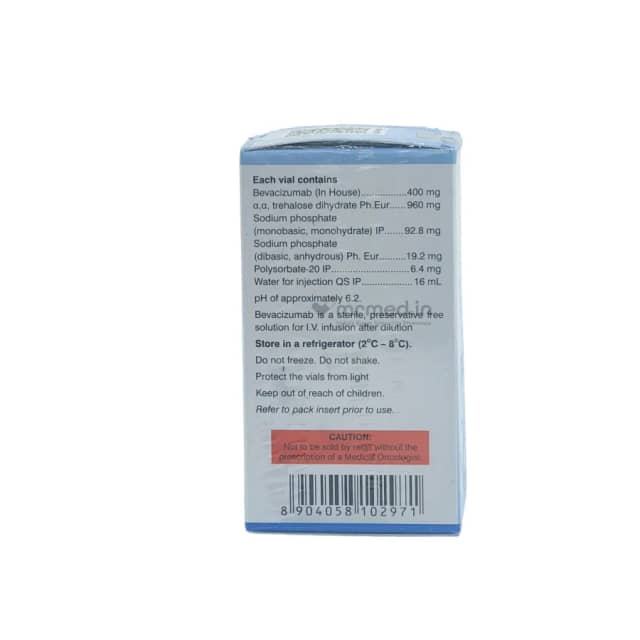
400mg/16ml | ₹1,17,625 | Cipla Ltd | Breast, kidney, lungs, colon, rectum, ovary cancer | Avastin (Roche) | ₹42,000 | |
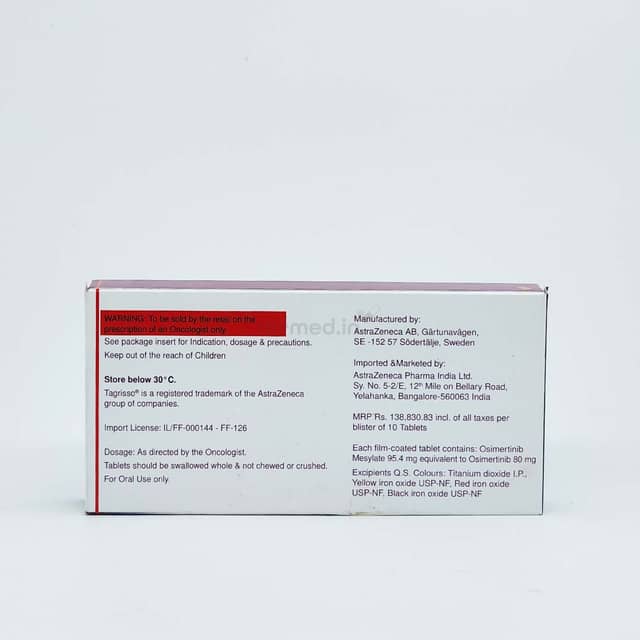
80mg (10 tablets) | ₹1,51,670 | AstraZeneca | Lung cancer | Tagrix (Beacon Pharmaceuticals) | ₹73,500 | |
160mg/8ml | ₹2,54,825 | Roche | Breast cancer | No alternative available | N/A | |
100mg/4ml | ₹1,97,250 | MSD | Skin, kidney, colon, rectal, and cervical cancers | No alternative available | N/A | |
140mg (120 capsules) | ₹4,36,000 | Janssen-Cilag SpA | Blood cancer | Imbruvica (Natco) | ₹98,000 | |
100mg (21 capsules) | ₹95,000 | Pfizer | Breast cancer | Xpalbociclib (Emcure) | ₹72,000 | |
40mg/4ml | ₹39,800 | Bristol Myers Squibb | Skin, lung, kidney, blood, and testicular cancer | No alternative available | N/A |
Are there ways to make cancer treatment more affordable?
Fortunately, there are initiatives in place to help reduce the financial burden of cancer treatment in India:
1. Government Programs: Initiatives like the Jan Aushadhi Scheme aim to provide affordable generic medicines to patients, including those undergoing cancer treatment. The Rashtriya Swasthya Bima Yojana is another scheme that offers health insurance coverage to low-income families.
2. Patient Assistance Programs: Some pharma companies offer patient assistance programs that provide free or discounted medications to those who cannot afford them. These programs can make a huge difference in the cost of cancer treatment.
3. Generic Medicines: As patents on expensive cancer drugs expire, more generic versions are becoming available, which can reduce the overall cost of treatment. However, not all cancer drugs have generic alternatives, and some generics may not be as effective as the branded versions.
4. Super Speciality Pharmacies: They offer high-cost medications at competitive prices, particularly for complex treatments like cancer, where branded drugs can be very expensive. MrMed, for example, focuses on providing anticancer medications, rare disease treatments, and life-saving medicines. They also offer home delivery services, reducing the hassle and making treatment more accessible, especially for patients in remote areas.
5. Hospitals Offering Free or Affordable Cancer Treatment: Institutions like Tata Memorial Hospital (Mumbai) provide free treatment to over 60% of their cancer patients. Adyar Cancer Institute (Chennai) and AIIMS (New Delhi) also offer subsidised or low-cost cancer care, ensuring access to advanced treatments for economically disadvantaged patients.
Frequently Asked Questions (FAQs)
1. Which cancer treatment is most expensive in India?
The most expensive cancer treatments in India often involve advanced therapies such as immunotherapy and targeted therapies. Specifically, drugs like Obinutuzumab, used to treat blood cancers, and Ibrutinib, used to treat chronic lymphocytic leukaemia, can cost ₹4,36,000 and ₹3,99,305, respectively.
Other costly treatments include Atezolizumab and Pertuzumab, which cost more than ₹2,75,000 each. These treatments target specific cancer cells and are typically more expensive than traditional chemotherapy due to the complex research, development, and manufacturing processes involved.
2. What is the most successful cancer drug?
The most successful cancer drug varies depending on the cancer type. However, Pembrolizumab (Keytruda) and Nivolumab (Opdivo) are notable immunotherapy drugs that have demonstrated significant efficacy across multiple cancers, including melanoma and lung cancer. They enhance the body’s immune response against cancer cells, thereby improving survival rates. Additionally, Trastuzumab (Herceptin) is highly effective for HER2-positive breast cancer, significantly increasing survival rates and quality of life for patients.
3. What is the 7-day rule in chemotherapy?
The 7-day rule in chemotherapy refers to a guideline regarding the timing of chemotherapy cycles. It suggests that, after chemotherapy, patients should wait at least 7 days before starting the next cycle. This waiting period is crucial for the body to recover from the side effects of chemotherapy, as the drugs can significantly affect healthy cells, especially those in the bone marrow that produce blood cells. Monitoring blood counts during this period is essential to ensure that patients are fit to receive the next treatment cycle, minimising risks and enhancing the effectiveness of the overall chemotherapy regimen.
4. Which cancers are 100% curable?
While no cancer can be guaranteed to be 100% curable, some types have high cure rates when detected early. Testicular cancer and Hodgkin lymphoma have cure rates exceeding 90%. Thyroid cancer, especially papillary thyroid cancer, also boasts a high cure rate. Additionally, early-stage skin cancers, like basal cell carcinoma, can be almost 100% curable. Acute lymphoblastic leukaemia (ALL) in children shows an 85-90% cure rate with effective treatment.
5. Is chemotherapy painful?
Chemotherapy is not typically described as painful, but it can cause discomfort and various side effects that may be unpleasant. Patients may experience symptoms such as nausea, fatigue, hair loss, and soreness at injection sites. Some may also have mouth sores or gastrointestinal issues, which can be painful. However, pain management strategies are available, and healthcare providers often prescribe medications to help alleviate these side effects.
An ounce of prevention is worth a pound of cure!
The World Health Organisation says that 30-50% of cancers can currently be prevented by eliminating risk factors such as cigarette smoking, alcohol drinking, obesity, lack of physical activity, and insufficient nutrition. Screening tests such as mammograms can detect cancers at very early stages, making a cure and effective treatment possible. Include more plant-based foods in your diet, stay physically active, and maintain a healthy weight.
Additionally, if you or a loved one is diagnosed with cancer, exploring patient assistance programs, generic drug options, and government initiatives can help alleviate the financial burden. By staying informed and proactive, you can better manage your health and reduce your risk of cancer.
Read Also
Affordable cancer care: Can generic oncology drugs close the gap?
Top Generic Anti-Cancer Drugs And Their Oncology Indications
References
University of Rochester Medical Centre. Bone and soft tissue cancers treatment [Internet]. Rochester (NY): URMC; [cited 2026 Mar 3]. Available from: https://www.urmc.rochester.edu/cancer-institute/cancers/bone-soft-tissue/treatment.aspx
Newvehiclez. Navigating health insurance for people with cancer [Internet]. [place unknown]; [cited 2026 Mar 3]. Available from: https://newvehiclez.com/navigating-health-insurance-for-people-with-cancer.html
HCG Oncology. Why should you not skip your chemotherapy cycles? [Internet]. [place unknown]; [cited 2026 Mar 3]. Available from: https://www.hcgoncology.com/blog/why-should-you-not-skip-your-chemotherapy-cycles/
Disclaimer: The content in this blog is for general informational purposes only and is not a substitute for professional medical advice, diagnosis, or treatment. Always consult your doctor or a registered dietitian before making any changes to your diet, especially if you have a medical condition or are taking prescribed medication. While the information is based on trusted sources, individual needs and results may vary. MrMed does not promote or endorse any specific food or treatment mentioned unless explicitly stated.













Comments