

Fake and Diverted Cancer Medicines: What the Delhi Drug Racket Means for Patient Safety




Last updated on 28 Aug 2026
Cancer treatment is already one of the most gruelling experiences a patient and family can go through. The costs are enormous, the side effects are severe, and every cycle of chemotherapy represents an act of trust that the medicine being infused into your bloodstream is what it claims to be.
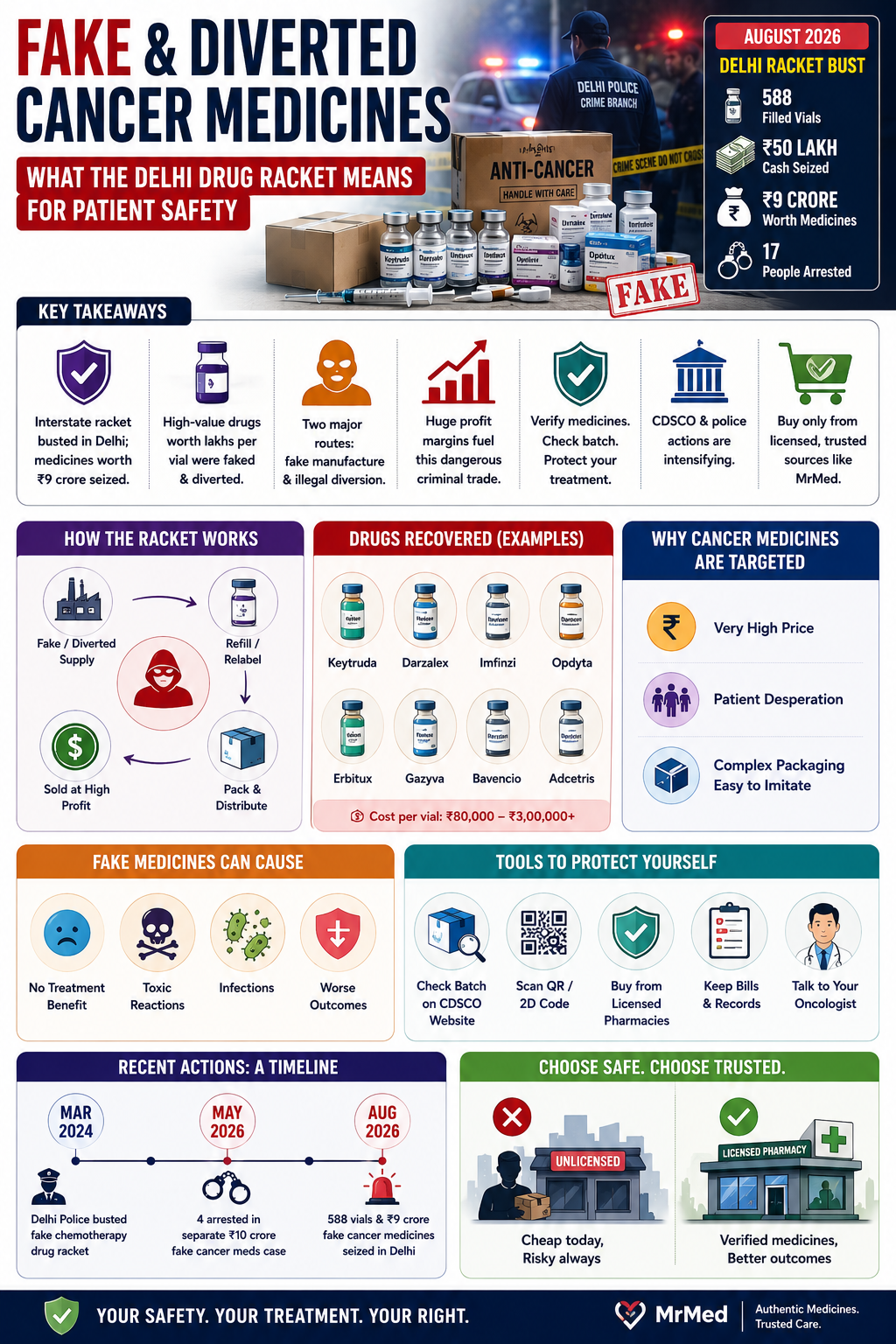
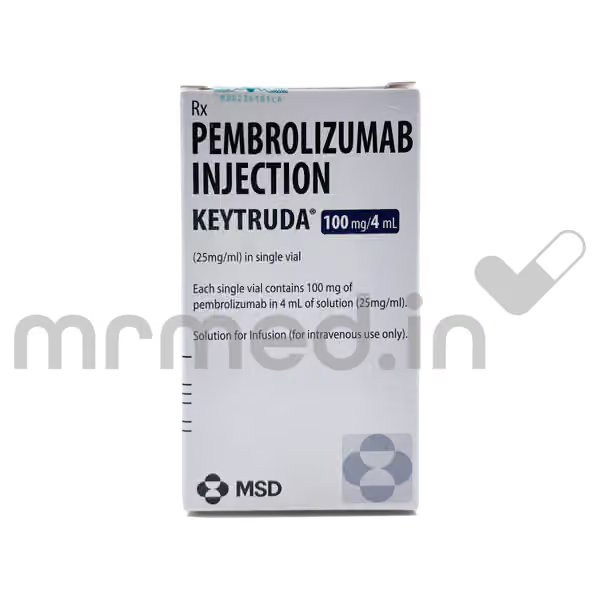
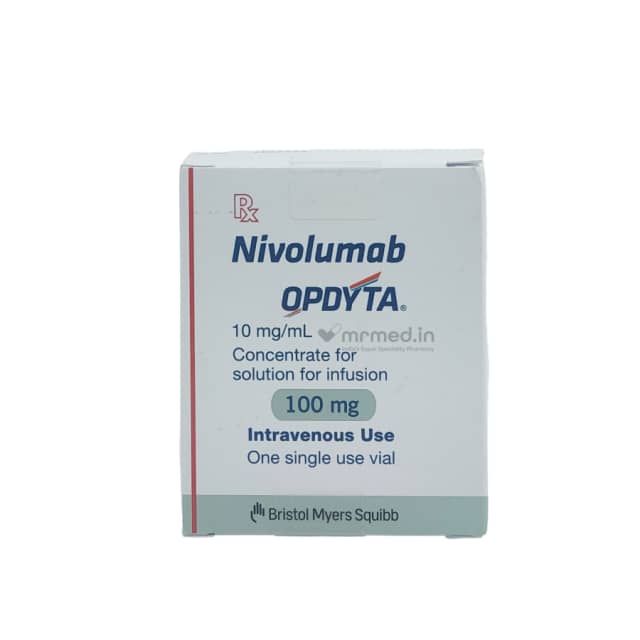
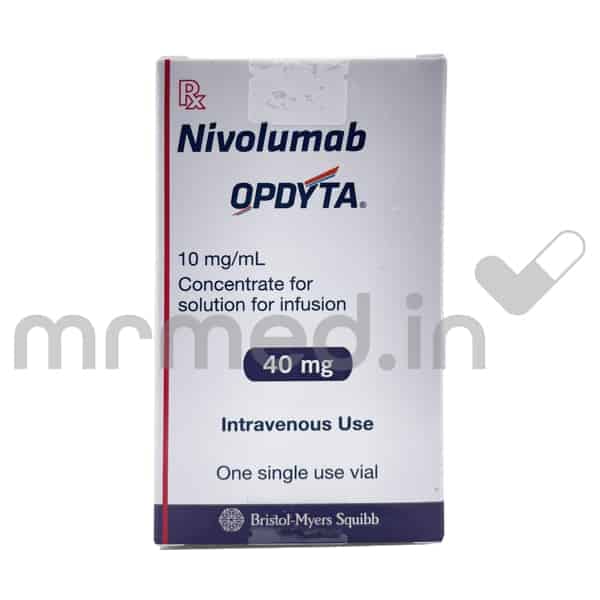
In August 2026, that trust was directly violated. Delhi Police's Crime Branch busted a major interstate fake cancer medicine syndicate, recovering 588 filled anti-cancer vials, six empty vials, and medicines worth approximately ₹9 crore. Seventeen people were arrested. The medicines recovered included Darzalex, Imfinzi, Erbitux, Opdyta, Gazyva, Bavencio, Adcetris, and Keytruda, all high-value immunotherapy and targeted cancer drugs, each costing lakhs of rupees per dose. And this was not the first time.
In March 2024, Delhi Police busted a fake chemotherapy drug racket, and the Enforcement Directorate raided 10 locations in Delhi-NCR for money laundering linked to the case. In May 2026, the Crime Branch arrested four people in a separate ₹10 crore fake cancer medicine operation. Government cancer medicines diverted from a Rajasthan hospital were found in grey-market circulation. Empty vials purchased for ₹3,000 to ₹6,000 were refilled with counterfeit substances and resold for ₹40,000 to ₹50,000.
This is not a Delhi problem. This is a patient safety emergency.
Key Takeaways
|
What the August 2026 Delhi Drug Racket Involved
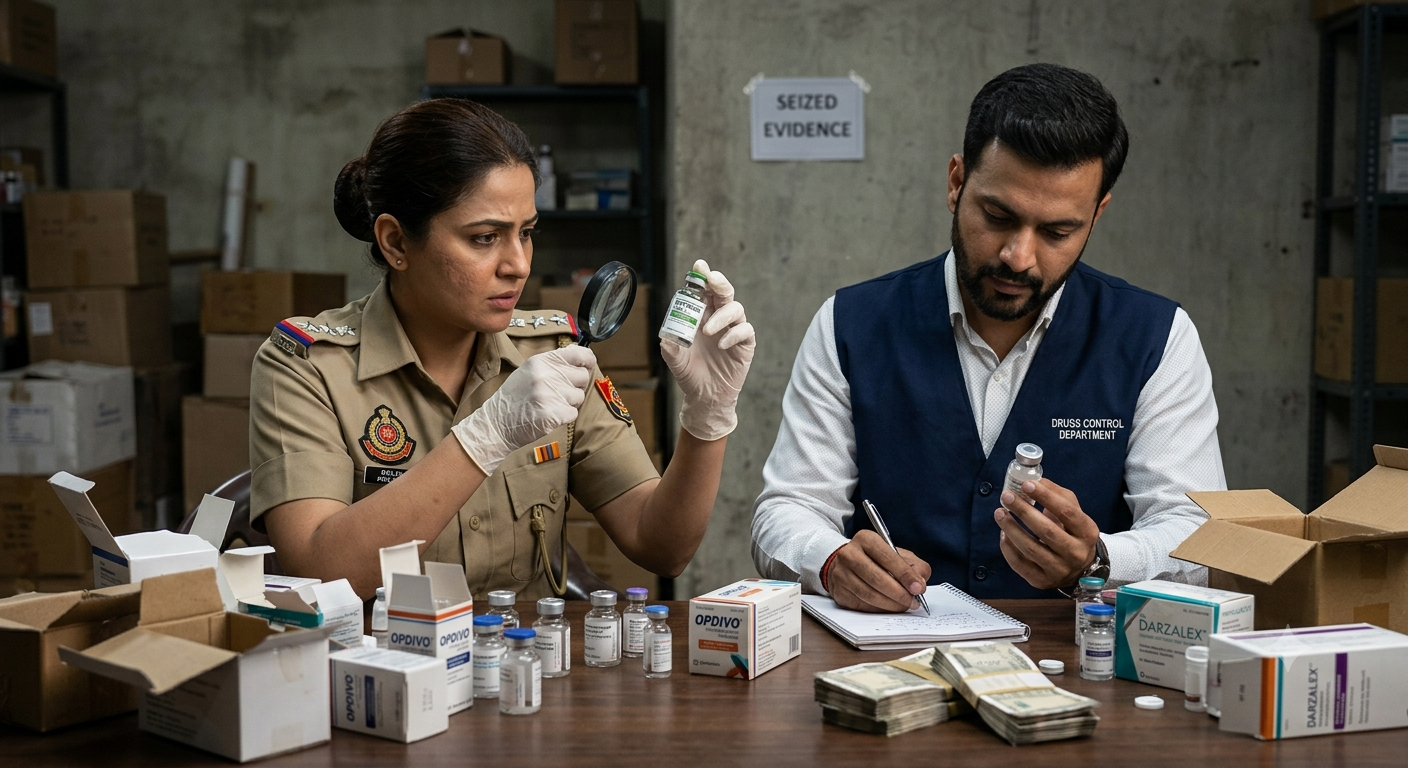
Delhi Police's Inter-State Cell of Crime Branch busted an interstate network involved in the illegal trade of counterfeit and illegally diverted high-value anti-cancer medicines, arresting 10 people and recovering medicines worth around ₹9 crore.
A team of the Crime Branch recovered 588 filled anti-cancer vials, six empty vials, seven empty medicine boxes, 3,021 units of other medicines, and around ₹50 lakh in cash. The recovered medicines include Darzalex, Imfinzi, Erbitux, Opdyta, Gazyva, Bavencio, Adcetris, and Keytruda, which are used to treat various cancers. The syndicate had supply links across Delhi-NCR, Mumbai, Hyderabad, Haryana, Uttar Pradesh, and other locations.
The investigation began on 22 June 2026 after police received specific information about an organised syndicate procuring, storing, and supplying counterfeit and illegally diverted anti-cancer medicines on a large scale. Seven teams conducted simultaneous raids on 11 July in Delhi and Navi Mumbai in coordination with the drugs department.
This was not an isolated case. A parallel investigation by ETV Bharat confirmed that government cancer medicines, specifically cancer injections meant for free distribution to patients at a Rajasthan government hospital, were diverted and found circulating in the grey market in Delhi, with 22 vials each worth over ₹1 lakh confiscated. Rajasthan has ordered a separate probe into the diversion.
Why Are Cancer Medicines Targeted for Illegal Diversion?
The Delhi racket is part of a global pattern. The WHO estimates that 1 in 10 medical products in low- and middle-income countries is substandard or falsified, and cancer medicines, given their extraordinary value and complex supply chains, are among the most heavily targeted categories for criminal counterfeiting worldwide.
Three factors make them uniquely attractive to criminal networks:
Price: High-value immunotherapy drugs like Keytruda (pembrolizumab) and Darzalex (daratumumab) cost ₹1.5 lakh to ₹3 lakh or more per vial in the legitimate private market. The criminal margin on even a single diverted or counterfeit vial is enormous.
Patient desperation: Cancer patients, particularly those with advanced disease or limited insurance coverage, are under extreme pressure to find medicines at any cost. This makes them vulnerable to grey-market sellers offering genuine-looking products at a discount.
Packaging complexity: Modern anti-cancer medicines come in complex vials, ampoules, and infusion bags. An empty vial purchased for ₹3,000 to ₹6,000, cleaned, refilled with saline or another substance, and resealed with a new tamper-evident cap can be visually indistinguishable from the genuine product without laboratory testing.
Online marketplaces: Police allege that empty vials were purchased for ₹3,000 to ₹6,000, refilled with counterfeit substances, and resold for ₹40,000 to ₹50,000 through pharmacies and platforms. The case reflects a global issue; a probe by the International Consortium of Investigative Journalists found that counterfeit Keytruda has entered hospital supply chains internationally.
What Are Counterfeit Cancer Medicines?
They fall into two distinct criminal categories:
Type | How It Works | Who Is at Risk |
Fabricated counterfeit | Empty genuine vials are purchased, refilled with saline, water, or another substance, and resold as genuine | Any patient buying from unverified sources |
Subpotent counterfeit | Genuine medicine mixed with diluents or fillers to stretch supply; patients receive insufficient active drug | Patients receiving treatment where dose calculation is critical |
Illegally diverted government medicine | Genuine medicine allocated for free government distribution stolen and resold at market price | Patients who think they are getting a subsidised medicine through legitimate channels |
Relabelled expired medicine | Genuine medicine past its stability date relabelled with a new expiry date | Any patient without batch verification tools |
Parallel import without documentation | Real medicine imported without regulatory clearance may be a genuine product but outside the traceable supply chain | Patients buying from grey-market importers |
Delhi Police busted a counterfeit medicine racket worth nearly ₹10 crore in May 2026 and arrested four persons allegedly involved in manufacturing and supplying fake life-saving drugs used for the treatment of serious illnesses, including cancer and liver diseases. Officials recovered fake medicines, packaging material, labels, and equipment used in the illegal manufacturing process.
How Fake and Diverted Medicines Can Put Cancer Patients at Risk
How fake and diverted medicines can put cancer patients at risk is not a theoretical exercise. It is the sum of what happens when a patient receives no active treatment while believing they are being treated:
Disease progression during inactive treatment: A patient receiving saline instead of pembrolizumab continues to have their cancer spread while their oncologist believes treatment is working. Weeks or months of lost treatment time in an advanced cancer context may be unrecoverable.
Delayed diagnosis of resistance or treatment failure: When a patient does not respond to treatment, the natural clinical conclusion is that the cancer is resistant or the disease has progressed. If the reason for non-response is actually a counterfeit medicine, the diagnostic pathway goes entirely wrong.
Adverse reactions from unknown contaminants: Some spurious drugs have been toxic in nature, with either fatal levels of the wrong active ingredient or other toxic chemicals. A vial refilled with an unknown substance, even one intended to be saline, may contain contaminants that cause severe infusion reactions in an already immunocompromised patient.
Financial catastrophe without therapeutic benefit: Keytruda at ₹2.5 lakh per dose, purchased through an unverified channel because the patient believed they were getting a genuine discount, delivers zero clinical benefit. The financial loss is permanent. The clinical opportunity cost, particularly in time-sensitive regimens, may also be permanent.
Cancer Drug Safety in India: A Persistent Structural Problem
Cancer drug safety in India cannot be separated from the economics of cancer care. India has approximately 14 lakh new cancer cases per year. Only a small fraction of patients have health insurance that adequately covers expensive targeted therapies or immunotherapy. The out-of-pocket cost pressure pushes patients and families toward grey-market sources that promise the same medicine at a discount.
Criminal networks exploit this structural vulnerability. A patient who has already spent ₹20 lakh on surgery and initial treatment, and is now facing ₹1.5 lakh per three-weekly Keytruda cycle for an indefinite period, will consider any source that offers a discount, even one that cannot provide batch documentation or a verifiable supply chain.
The counterfeit cancer medicines problem in India is therefore not primarily a regulatory problem. It is a healthcare financing problem that creates a grey market, and a grey market creates a criminal opportunity.
How to Check If Your Cancer Medicine Is Genuine
How to identify fake cancer medicines in India and how to check if cancer medicine is genuine requires action at three levels: source verification, physical inspection, and official batch verification.
Level 1: Source Verification (Most Important)
The single most important protection is sourcing only from licensed, verified pharmacies and distributors:
Buy only from pharmacies with a valid drug licence number displayed at the outlet or on the website
For high-value medicines, request the pharmacy to provide the purchase invoice from their licensed wholesaler; a genuine pharmacy can provide this
For government scheme medicines (PM Jan Aushadhi, Ayushman Bharat), collect from the designated government facility personally; do not accept delivery from intermediaries
Never buy anti-cancer medicines from unregistered pharmacies, social media sellers, WhatsApp forwards, or any unlicensed online marketplace
Level 2: Physical Inspection (Important, Not Definitive)
What to Check | Genuine | Red Flag |
Tamper-evident seal | Factory-sealed; uniform; shows evidence of tampering if broken | Loose; re-glued; inconsistent with product history |
Vial integrity | No micro-cracks; consistent fill level; clear solution (unless normally cloudy) | Particles in solution; air bubbles; inconsistent fill level |
Labelling | Sharp print; matches manufacturer's standard format; consistent font | Slight colour variation; font inconsistency; peelable label over original |
Batch number and expiry | Matching across vial, outer carton, and package insert | Discrepancy between vial and carton; sticker over original print |
Cold chain evidence | Temperature indicator log (for cold-chain medicines) | No temperature record; warm storage unit |
Level 3: Official Batch Verification
How can I check whether my cancer medicine is genuine? The official tools available in India:
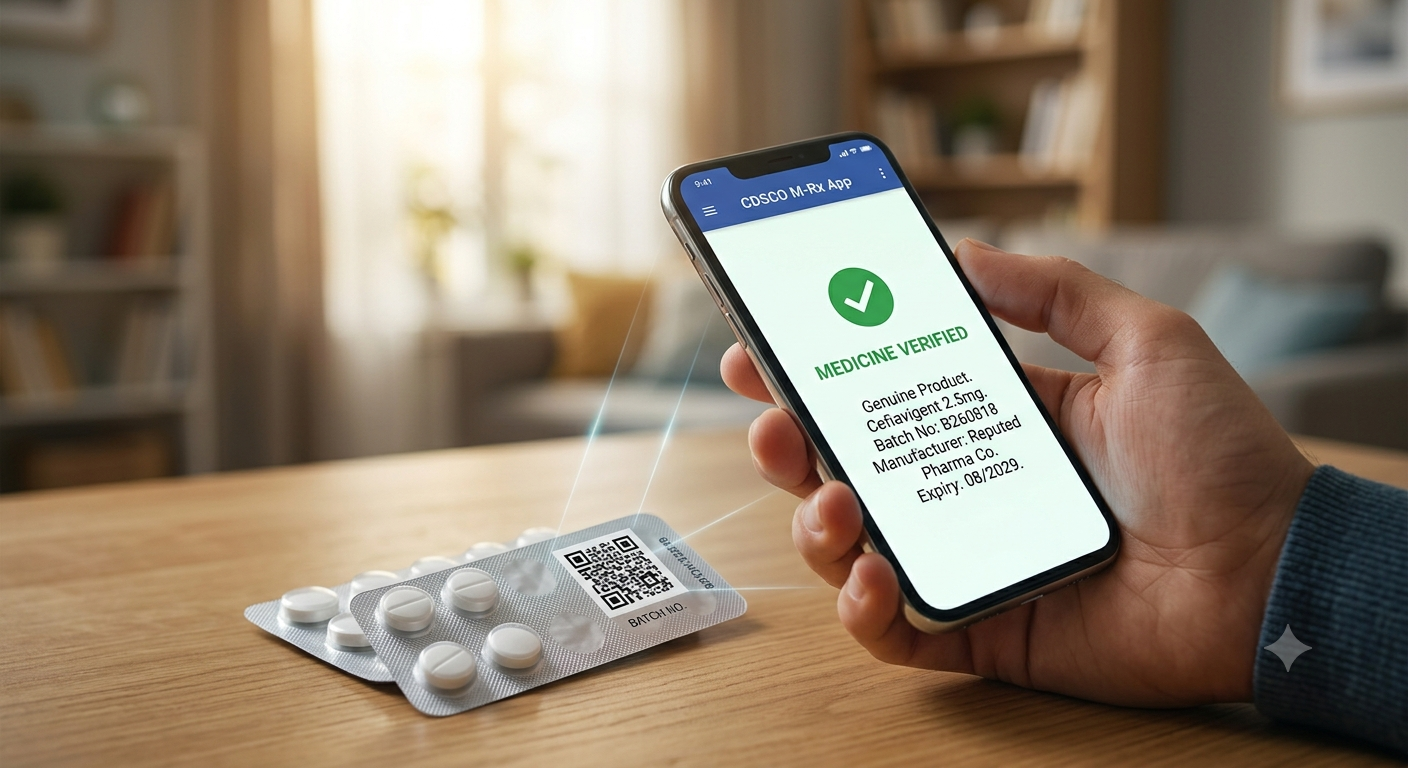
CDSCO Drug Alert Portal: cdsco.gov.in. Check if your medicine's batch or brand appears on the spurious or NSQ alert list
M-Rx App (Ministry of Health): Scan the barcode or QR code on the medicine pack to verify product and batch details
Manufacturer helpline: Most major pharmaceutical companies, including MSD (Keytruda), Janssen (Darzalex), and AstraZeneca (Imfinzi), have dedicated India helplines that can verify batch numbers
How to Buy Genuine Cancer Medicines Online in India
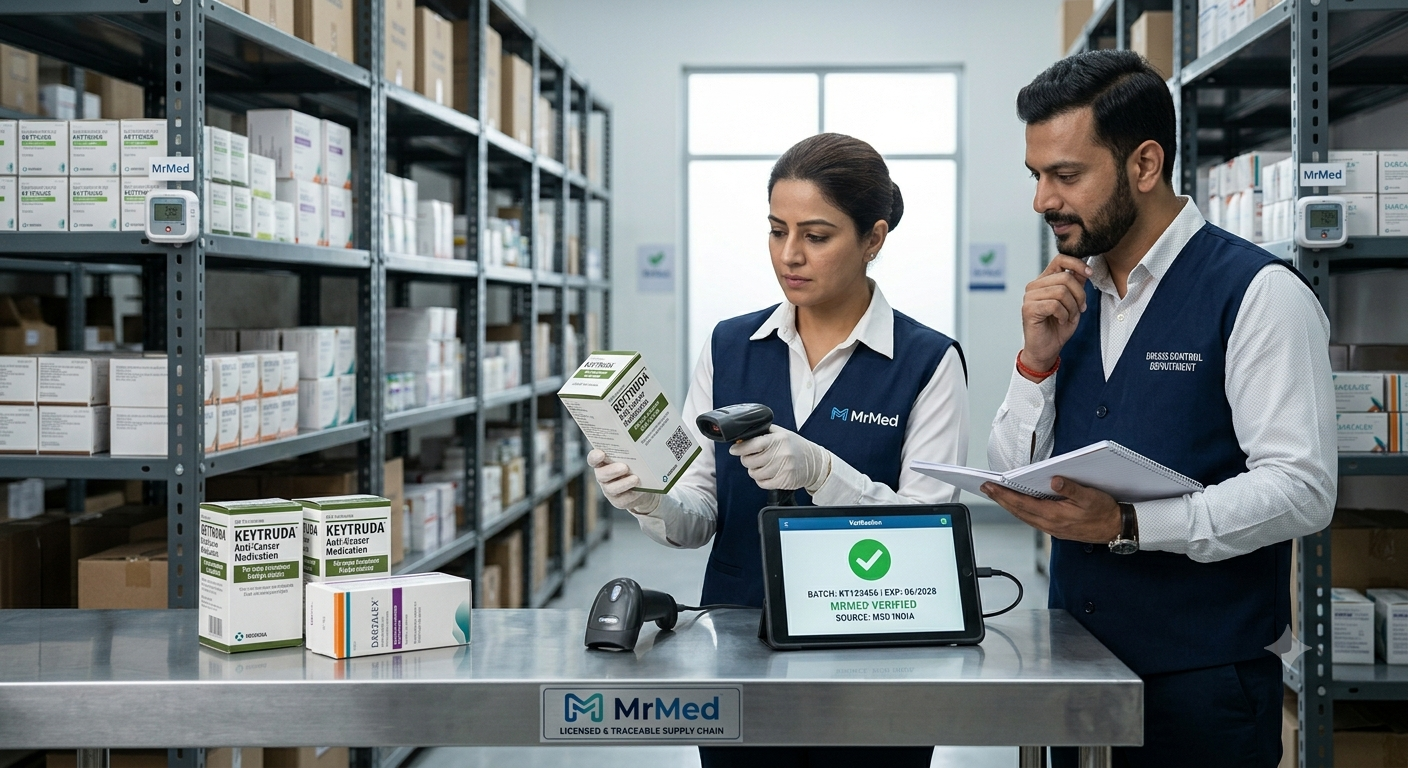
How to buy genuine cancer medicines online in India safely requires verifying that the online pharmacy meets these minimum standards:
Valid drug licence number displayed on the website
Registered under CDSCO's online pharmacy framework
Prescription required for prescription medicines no prescription, no sale
Full GST invoice with batch number, expiry date, and licensed distributor details provided with every order
Cold chain delivery capability for temperature-sensitive medicines
Traceable delivery with full receipt
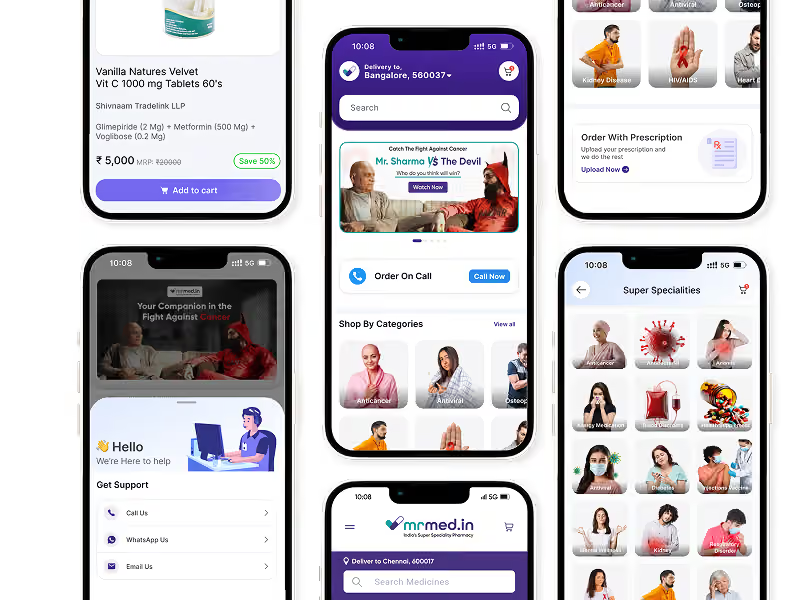
MrMed meets all of these standards. Every medicine on the MrMed platform is sourced from licensed distributors with complete batch traceability. The batch number, expiry date, and storage conditions are documented and available for every order. If you received a cancer medicine from any source and are unsure of its authenticity, contact MrMed or CDSCO before using it.
How to Stay Safe From Counterfeit Cancer Medicines: A Quick Reference
How to stay safe from counterfeit cancer medicines:
Never buy from non-pharmacy platforms like unregistered pharmacies, social media, WhatsApp, or classified sites
Always ask for a printed invoice with batch number and licensed distributor details
Verify batch number against the CDSCO drug alerts portal before first use
Report any suspicious pricing: a ₹1.5 lakh injection offered for ₹30,000 is not a deal; it is a red flag
Collect government scheme medicines personally from designated facilities
If in doubt, call the manufacturer's India helpline and verify the batch number directly
Report suspected counterfeit medicines to CDSCO at cdsco.gov.in or call the Crime Branch of your city police
FAQs
Q1. What are counterfeit cancer medicines?
Cancer medicines that have been fabricated, diverted from legitimate channels and resold illegally, or relabelled to disguise subpotency or expired status, all sold as genuine to patients who do not know the difference.
Q2. How can patients identify fake medicines?
Check the CDSCO drug alerts portal, scan the QR code using the M-Rx app, inspect physical seals and labelling for inconsistencies, and buy only from licensed pharmacies that provide full batch documentation with every purchase.
Q3. Why are cancer medicines targeted for illegal diversion?
Their extreme price of ₹80,000 to ₹3 lakh per dose makes even a single vial extraordinarily profitable to counterfeit or divert. Cancer patients' desperation creates demand from grey-market sellers. Empty branded vials are easy to acquire and nearly impossible to distinguish from full ones without testing.
Q4. How do I check if my cancer medicine is genuine?
Visit cdsco.gov.in to check drug alerts, use the M-Rx app to scan the barcode, or call the manufacturer's India helpline with the batch number. Always buy from a licensed pharmacy that provides a full invoice.
Q5. Is an illegally diverted cancer medicine as dangerous as a fake one?
Not necessarily in terms of what is in the vial; diverted genuine medicine may still be effective if the cold chain was maintained. But diversion is illegal, removes the medicine from patients for whom it was intended, and provides no legal or safety recourse if something goes wrong.
Final Thoughts
The Delhi fake cancer drug racket of 2026 is not just a law enforcement story. It is a patient safety crisis that operates directly at the intersection of cancer care's highest costs and India's most desperate patients.
Fake cancer medicines do not just fail to treat; they may actively harm, and they always rob patients of the treatment window that their disease progression does not wait for. For a cancer patient, a missed immunotherapy cycle is not a minor setback. It is an opportunity for the cancer to advance while the patient and oncologist believe treatment is working.
The tools to protect yourself exist. Use them. Buy from licensed sources. Verify batch numbers. Demand invoices. Report suspicious pricing. And if you are ever uncertain about the authenticity of a cancer medicine you have been supplied, stop, verify, and report before using it.
Read Also
References
ANI News [Internet]. New Delhi: ANI; 2026 Aug 20 [cited 2026 Aug 21]. Delhi Crime Branch busts interstate anti-cancer drug racket, 17 arrested; medicines worth Rs 9 crore seized. Available from: https://aninews.in/news/national/general-news/delhi-crime-branch-busts-interstate-anti-cancer-drug-racket-17-arrested-medicines-worth-rs-9-crore-seized20260820145541/
The Hans India [Internet]. Hyderabad: The Hans India; 2026 Aug 21 [cited 2026 Aug 21]. Racket diverting anti-cancer drugs worth Rs 9 cr busted. Available from: https://www.thehansindia.com/news/national/racket-diverting-anti-cancer-drugs-worth-rs-9-cr-busted-1111979
Nagaraju B, Ramana GV. Current scenario of spurious and substandard medicines in India: a systematic review. J Appl Pharm Sci [Internet]. 2015 [cited 2026 Aug 21];5(3):156–161. Available from: https://pmc.ncbi.nlm.nih.gov/articles/PMC4355878/
Disclaimer: This article is for general informational and awareness purposes only. If you suspect you have received counterfeit or diverted cancer medicines, do not use them. Contact your oncologist immediately, report to CDSCO at cdsco.gov.in, and if necessary, contact your local police. In a medical emergency, call your treating hospital.













Comments