

Buying Cancer Medicines Online in India: A Patient Safety Guide





Last updated on 26 Oct 2026
Buying cancer medicines online can make treatment more convenient, particularly for patients who need medicines regularly or live far from major cancer centres. But when medicine is expensive, prescription-only, injectable, or temperature-sensitive, the safest option isn't necessarily the cheapest or fastest.
Before you buy cancer medicine online in India, verify the pharmacy, prescription requirements, medicine details, source, price and storage conditions. For medicines that require refrigeration or specialist handling, also confirm how they will be transported and what to do if they arrive warm or damaged.
Key Takeaways
|
Is it safe to buy cancer medicine online in India?
Yes, you can buy cancer medicines online when the seller is legitimate, the medicine is appropriately prescribed, and the product is supplied through a reliable pharmaceutical supply chain. However, patients should be particularly cautious with unfamiliar websites, social-media sellers and unusually cheap offers.
The risk is not limited to receiving the wrong medicine. Falsified medicines may contain the wrong ingredient, an incorrect amount of the active ingredient or no active ingredient at all. The World Health Organisation (WHO) notes that unauthorised online sources are an important route through which substandard and falsified medicines can reach patients.
For cancer treatment, this can have serious consequences because an ineffective or incorrect medicine may delay appropriate treatment. That is why a few checks before you order, and again when the medicine arrives, are worth the time.
Checks to Make Before Placing an Order
Before you buy cancer medicine online, check:
Whether the pharmacy provides identifiable business and contact details
Whether a prescription is requested when the medicine requires one
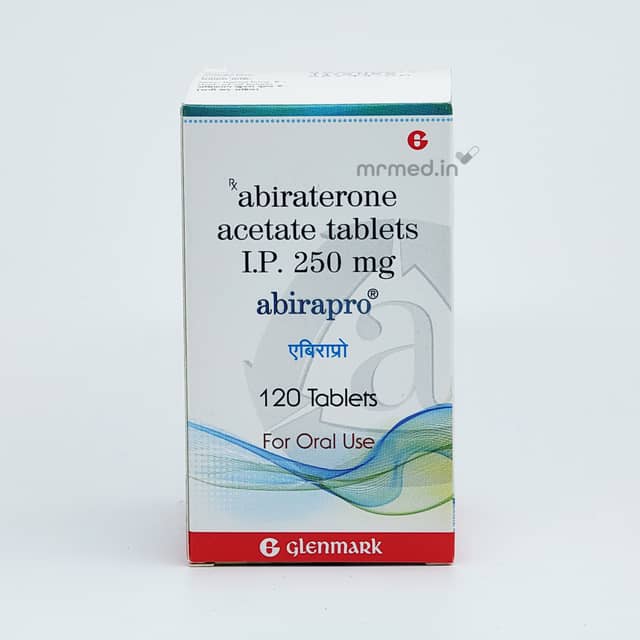
Whether the medicine name, strength, dosage form and manufacturer are clearly stated
Whether you will receive a proper invoice
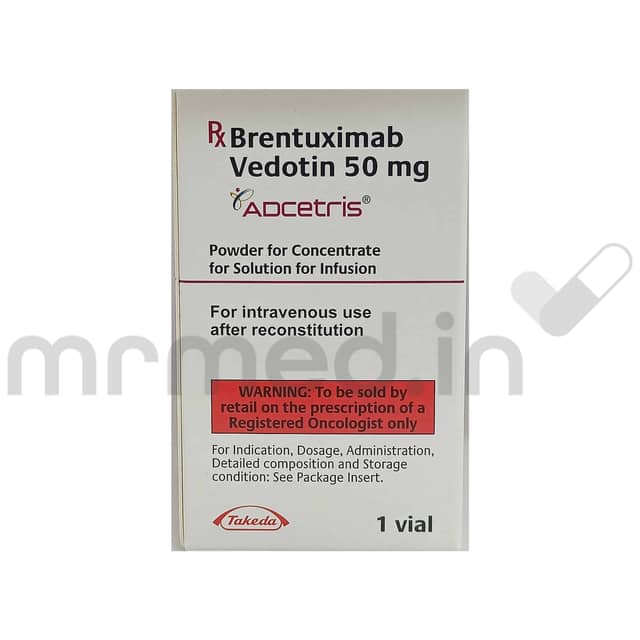
Whether the seller can explain how temperature-sensitive medicines are transported
Whether there is a clear process for handling damaged, incorrect or suspicious medicines
Do not choose an online seller simply because it appears first in a search result.
Choosing a Trusted Online Pharmacy for Cancer Medicines
No single online pharmacy can be declared the best for every cancer patient. A safer approach is to choose a pharmacy that can show it operates through the appropriate licensed pharmaceutical supply chain and follows prescription and dispensing requirements.
When comparing online pharmacies in India, the important questions are:
Does it clearly identify the business responsible for dispensing the medicine?
Does it follow prescription requirements?
Can it provide an invoice and product information?
Can it explain the medicine's storage and delivery requirements?
Does it have a process for complaints, returns or suspected product-quality problems?
For specialised oncology medicines, can it provide appropriate information about sourcing and cold-chain delivery?
Prescription Rules for Buying Cancer Medicines Online
If the cancer medicine is a prescription medicine, prescription requirements still apply even when you buy online. Buying through a website does not remove the need for a prescription.
Under India's Drugs and Cosmetics Rules, medicines covered under Schedule H and Schedule X are subject to prescription-related requirements. The rules specify, among other things, how prescriptions are to be dispensed and recorded.
This means patients should be wary of an online seller that promises to supply prescription cancer medicines without asking for appropriate documentation.
A prescription should also not be altered to obtain a cheaper medicine, a larger quantity or a different strength. If your prescription has expired or your treatment has changed, contact your oncologist.
India's regulation of online medicine sales has also evolved over time, so patients should distinguish between a medicine being listed online and the seller being legally authorised to dispense it. For current regulatory questions, the Central Drugs Standard Control Organisation (CDSCO) and applicable state drug-control authorities are the appropriate regulatory sources. CDSCO continues to publish current drug-related notifications and amendments.
How to Verify if an Online Pharmacy Is Genuine
Don't rely on the website's appearance alone. A genuine-looking website can still be an unreliable source.
Start by checking whether the seller provides sufficient business information and whether it operates through the appropriate licensed pharmacy and drug-distribution framework.
Ask the pharmacy for details of its licence or registration where appropriate and verify them with the relevant state drug-control authority if you have concerns.
A useful safety check against fake medicines online also includes examining the medicine after delivery. Look for:
Correct medicine name and strength
Manufacturer details
Batch or lot number
Manufacturing and expiry dates
Intact seals and packaging
Consistency between the inner and outer packaging
No obvious spelling or printing errors
No unusual colour, smell or physical appearance
WHO recommends checking packaging, manufacturing and expiry information and avoiding unregistered websites that conceal their physical address or contact information. Remember that these checks cannot prove that a medicine is genuine on their own.
A sophisticated falsified product may have convincing packaging. If you are uncertain, ask a pharmacist, doctor or the manufacturer for help rather than relying only on visual inspection.
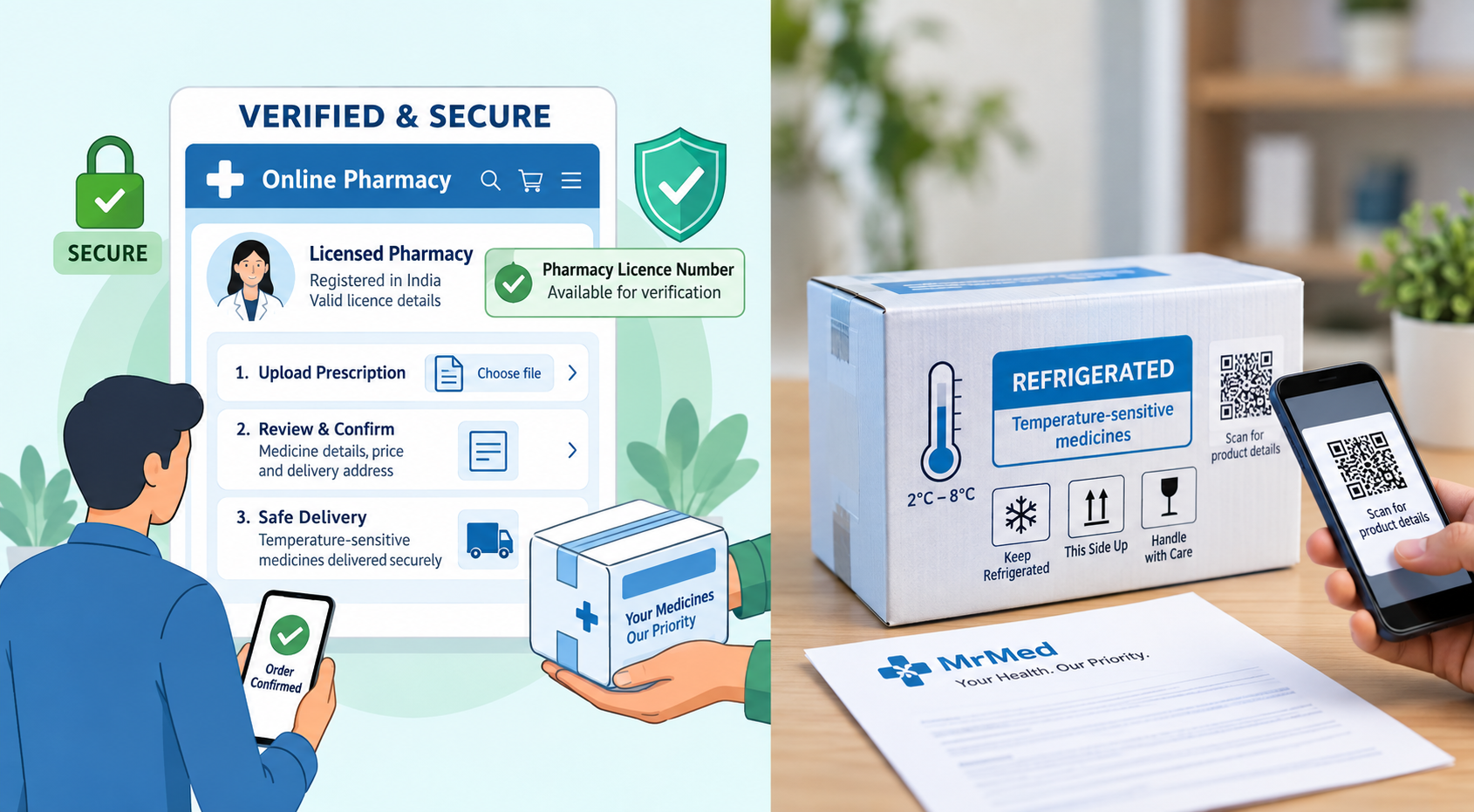
The Risks of Buying From an Unauthorised Seller
Cancer medicines can be particularly expensive, which creates an incentive for illegal diversion, resale and counterfeiting.
A recent case in India illustrates the concern. In August 2026, Delhi Police arrested 17 people over allegations involving counterfeit and illegally diverted anti-cancer medicines, including Keytruda. According to police, the alleged syndicate obtained medicines through counterfeit supplies from unauthorised sources, misappropriated medicines from hospitals, and diverted government-supplied medicines from government institutions and warehouses. The investigation was ongoing at the time of reporting.
Another reported case involved Iclusig, a high-cost cancer medicine, along with other oncology products. Delhi Police alleged that medicines obtained through patient-assistance and other channels entered an unauthorised resale network.
These cases do not mean that online cancer medicines are generally unsafe. They show why patients should pay attention to a medicine's source and traceability, particularly when an offer seems unusually cheap.
Why are online cancer medicines cheaper than local pharmacies?
A lower online price does not automatically mean that a cancer medicine is fake. Price differences can occur because of:
Manufacturer differences: Different companies may sell the same medicine at different prices.
Branded vs generic medicines: Generic medicines are usually cheaper because they do not carry the same branding and marketing costs.
Biosimilar vs reference biologic: Biosimilars may cost less than the original biologic medicine while offering a highly similar treatment option when prescribed appropriately.
Pharmacy discounts: Online pharmacies may offer discounts or promotional prices that reduce the final cost.
Purchasing and distribution: Medicines bought in larger quantities or through different supply chains may cost different amounts.
Pack size and strength: A larger pack or a different strength will naturally cost more.
Government or patient-assistance programmes: Eligible patients may receive medicines at a reduced cost or through financial-support programmes.
Retail margins: Different pharmacies may add different margins to the price at which they purchase medicines, resulting in different selling prices.
Substantial price variation can occur between branded and generic anticancer medicines in India. One study comparing Jan Aushadhi generic anticancer medicines with branded counterparts found substantial cost differences for several medicines.
Therefore, when you buy cancer medicine at a low price, compare the exact molecule, strength, dosage form, manufacturer and pack size. A lower price for a different formulation or quantity is not necessarily a like-for-like comparison.
Most importantly, do not accept an unexplained price that seems too good to be true simply because you are trying to reduce treatment costs.
Ways to Reduce the Cost of Expensive Cancer Medicines
Compare legitimate prices, ask the oncologist about suitable lower-cost alternatives, and check whether the patient qualifies for financial-assistance programmes before purchasing from an unfamiliar seller.
Options may include:
Generic medicines where medically appropriate
Biosimilars where appropriate
Government-supported medicine programmes
Patient assistance programmes (PAP)
Hospital pharmacy discounts or negotiated rates
Manufacturer-sponsored patient assistance programmes
State-specific schemes
Eligible government health-insurance or cancer-care programmes
India's Free Drugs Service Initiative supports states and Union Territories in providing essential medicines through public health facilities, and the recommended essential-medicine framework includes medicines for cancer treatment.
Under Ayushman Bharat PM-JAY, eligible families can receive coverage for secondary and tertiary hospitalisation, although the exact coverage and applicability to a patient's medicines depends on the treatment and scheme rules.
How Cold-Chain Cancer Injections Are Kept Safe During Delivery
Some cancer medicines and supportive medicines require controlled temperatures during storage and transportation. A cold chain is a temperature-controlled system that keeps a medicine within its required storage range from storage through delivery.
A reliable delivery system may use validated insulated packaging, appropriate refrigerants, temperature monitoring and procedures designed to minimise temperature excursions. WHO guidance for time- and temperature-sensitive pharmaceutical products emphasises appropriate storage, transportation, temperature monitoring and qualified equipment.
However, not every cancer medicine requires refrigeration. Storage temperature depends on the individual product, so patients should follow the storage instructions supplied with that medicine.
For a temperature-sensitive medicine, ask the pharmacy:
What temperature range does the medicine require?
How will it be packed?
How will the temperature be maintained during transport?
What happens if there is a delivery delay?
What should the patient do if the package arrives warm?
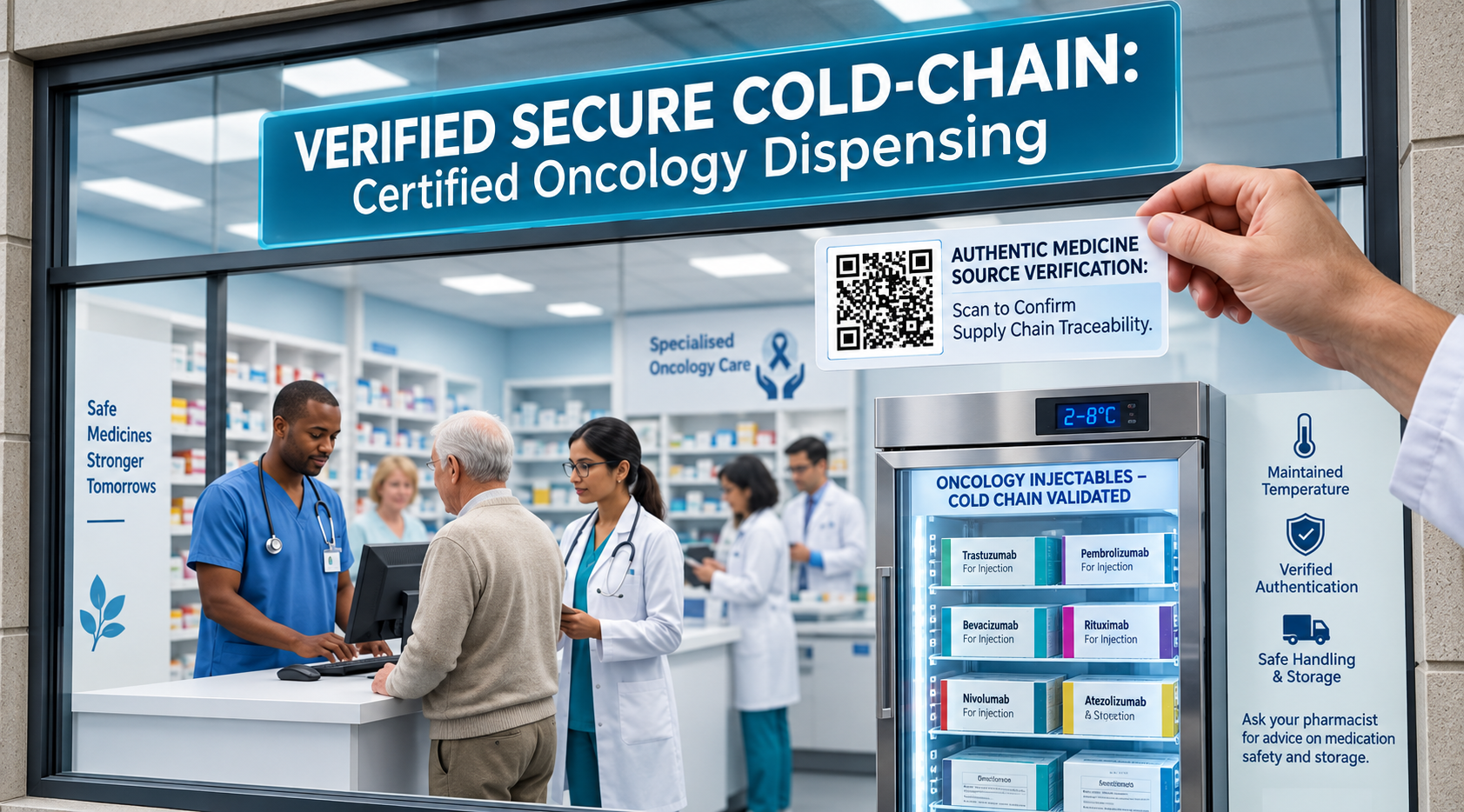
If Your Temperature-Sensitive Medicine Arrives Warm or Damaged
Do not assume that it is safe to use simply because the vial or pack looks normal. If a temperature-sensitive cancer medicine arrives warm, damaged, leaking or with compromised packaging:
Do not use it immediately.
Keep the packaging and medicine as received.
Take photographs of the package and any visible damage.
Contact the dispensing pharmacy promptly.
Contact your pharmacist or oncology team for advice.
Ask whether the medicine experienced a documented temperature excursion and whether the manufacturer considers it usable.
Do not attempt to cool or freeze the medicine yourself unless specifically instructed to do so.
Home Delivery of Cancer Medicines
Home delivery can be safe, provided the medicine comes from a reliable source and the delivery system suits the product. For ordinary oral medicines, delivery concerns are often straightforward.
For temperature-sensitive oncology medicines, the question is not simply whether the medicine was delivered on time.
It is whether the required storage conditions were maintained throughout the journey. Dr. Bharati Devi Gorantla specifically highlights cold-chain integrity and traceability as important considerations when patients obtain immunotherapy outside a hospital.
Patients should be especially cautious about deliveries that are delayed, exposed to excessive heat or arrive with damaged packaging.
FAQs
Q1. Is it safe to buy cancer medicine online in India?
Yes, it can be safe when the medicine comes from a legitimate and appropriately regulated source, prescription requirements are followed, and the medicine is stored and transported correctly.
Q2. Is a prescription required to buy cancer medicines online?
If the medicine requires a prescription, buying it online does not remove that requirement. Schedule H and Schedule X medicines follow specific prescription rules in India.
Q3. What is a Schedule H drug?
Schedule H is a category of prescription medicines under India's Drugs and Cosmetics Rules. Listing a Schedule H medicine online does not mean it can be supplied without following prescription requirements.
Q4. How long does cancer medicine delivery take in India?
There is no standard delivery time. It depends on availability, prescription verification, location, courier coverage and storage requirements. For urgent treatment cycles, confirm the delivery window first and inform your oncology team.
Q5. Can I buy chemotherapy drugs online?
Some chemotherapy medicines may be dispensed through appropriate pharmacy channels against a valid prescription.
Q6. Can I buy breast cancer medicine online in India?
Some oral breast cancer medicines can be dispensed online when prescription requirements are met. Treatment varies by cancer subtype, so confirm the exact medicine, strength, formulation and duration with your oncologist.
Q7. What should I do if the medicine I receive is different from what I ordered?
Do not take it. Check the invoice and prescription against the medicine received, then contact the pharmacy or your doctor. Do not accept a substitute just because the seller says it is "the same medicine."
Q8. Why are online cancer medicines cheaper than local pharmacies?
Prices may differ because of manufacturer, generic or biosimilar status, discounts, distribution arrangements, pack size and other commercial factors.
Q9. Are generic cancer medicines safe?
A properly approved generic medicine is not considered inferior simply because it is cheaper. The treating doctor should select the appropriate medicine. For biosimilars and other biological medicines, the oncologist should also guide the choice.
Q10. How can I get a discount on cancer drugs online in India?
Compare prices from legitimate pharmacies and ask the treating hospital about generic or biosimilar options, manufacturer patient assistance programmes and government-supported medicine schemes where applicable. Do not sacrifice source reliability to get a larger discount.
Q11. What to do if you suspect a cancer medicine is fake?
Do not continue taking a suspected falsified medicine without speaking to a healthcare professional. If you have already taken the medicine and develop an unexpected or serious reaction, seek medical attention promptly.
Medical Disclaimer: This article is intended for general awareness and does not replace medical advice, diagnosis or treatment from a qualified healthcare professional. Use cancer medicines only under the guidance of the treating doctor. Confirm prescription, substitution, storage, and administration decisions with a doctor or pharmacist.













Comments