


Cancer Cases Could Hit 35 Million by 2050: What WHO's Latest Report Reveals





Last updated on 23 Jul 2026
The World Health Organisation (WHO) has issued a sobering warning: if current trends continue, global cancer cases could reach 35 million annually by 2050, representing a 55 percent increase from 2020 levels. This projection underscores the urgent need for comprehensive cancer prevention, early screening, and improved access to treatment worldwide. For India, the implications are particularly significant.
India currently reports approximately 1.4 to 1.5 million new cancer cases annually, with projections suggesting this could increase to 2.1 million by 2050 if preventive measures are not strengthened. This comprehensive guide examines WHO's latest cancer report, explains why cancer cases are rising, provides current cancer statistics specific to India, discusses cancer screening and prevention strategies, and identifies leading cancer treatment centres and specialists across India.
Key Takeaways
|

WHO Global Status Report on Cancer 2026: Key Findings
Global Cancer Projections by 2050:
Cancer cases are projected to reach approximately 35 million annually by 2050, up from 20 million in 2020.
This represents a 55 percent increase over 30 years.
Cancer mortality is projected to reach 16.3 million deaths annually by 2050, up from 9.7 million in 2020.
High-income countries will see slower growth (approximately 20-30 percent), while low- and middle-income countries will experience steeper increases (approximately 80-100 percent).
Why Cancer Cases Are Rising Globally:
Ageing populations: Older individuals have higher cancer incidence; global ageing will increase cancer burden significantly.
Lifestyle risk factors: Rising tobacco use, obesity, alcohol consumption, and physical inactivity in developing nations.
Infectious disease burden: HPV, hepatitis B, and H. pylori infections contribute substantially to cancer in low-income countries.
Environmental exposures: Air pollution, occupational carcinogens, and ultraviolet radiation.
Delayed diagnosis: In many developing countries, cancers are detected at advanced stages due to limited screening infrastructure.
According to the WHO report, approximately 50 percent of cancer deaths could be prevented through the implementation of known prevention strategies, early detection programs, and evidence-based treatment.
Cancer Statistics in India: Current Burden and Projections
India faces a significant and growing cancer burden, with cancer representing the third leading cause of death after cardiovascular disease and respiratory disease.
Current Cancer Incidence in India:
According to the ICMR National Cancer Registry Programme:
Approximately 1.4 to 1.5 million new cancer cases are diagnosed annually in India (as of 2026).
Approximately 11.6 lakh (1.16 million) cancer deaths annually.
Age-standardised incidence rate (ASIR): 93.5 per 100,000 population (compared to the global ASIR of approximately 148 per 100,000).
Projected increase to 2.1 million new cases annually by 2050 (approximately 50 percent increase).
Most Common Cancers in India:
In Females:
Breast cancer: 27.3 percent of all female cancers (most common).
Cervical cancer: 13.5 percent.
Ovarian cancer: 8.2 percent.
Colorectal cancer: 6.8 percent.
In Males:
Lung cancer: 16.5 percent of all male cancers (most common).
Oral/lip cancer: 13.8 percent.
Colorectal cancer: 9.5 percent.
Gastric cancer: 8.7 percent.
Geographic Distribution: rates in
Kerala: 106.6 per 100,000 (highest ASIR in India).
Tamil Nadu: 97.2 per 100,000.
Maharashtra: 94.1 per 100,000.
Goa: 91.8 per 100,000.
Delhi: 89.3 per 100,000.
Lower-income states show lower reported rates, though this may reflect underdiagnosis rather than a true lower incidence.
Why Cancer Cases Are Rising: Indian Context
Multiple factors contribute to the increasing cancer burden in India, many of which are modifiable.
Major Cancer Risk Factors in India:
Tobacco Use:
Tobacco accounts for approximately 50 percent of cancer cases in males.
Smokeless tobacco (gutkha, pan, khaini) carries a substantial cancer risk, often underestimated.
Infections:
HPV infection: Responsible for approximately 99 percent of cervical cancer cases; vaccination rates remain suboptimal.
Hepatitis B: Chronic infection increases the risk of liver cancer; vaccination coverage is improving, but gaps remain.
H. pylori: Associated with gastric cancer; prevalence is high in India.
Lifestyle Factors:
Obesity is rising rapidly in urban India and is associated with breast, colorectal, and endometrial cancer.
Physical inactivity is common in urban populations and increases cancer risk.
Unhealthy diet: High consumption of processed foods, low vegetable/fruit intake.
Alcohol consumption: Rising in urban areas, it increases the risk of liver, oral, and breast cancer.
Environmental Exposures:
Air pollution, particularly in Indian metropolitan areas, is associated with lung cancer.
Occupational exposures: Asbestos, pesticides, and industrial carcinogens affecting workers.
Reproductive Factors (in Females):
Early age of first pregnancy.
High parity (number of pregnancies).
Low breastfeeding duration.
Late menopause.
Cancer Screening and Prevention Guidelines in India
According to Dr Rajesh Dikshit, Director, Tata Memorial Centre, Mumbai, the WHO projection of 35 million annual cancer cases by 2050 reflects the realities India will face intensely. Our cancer burden is doubling in line with WHO projections, driven by a combination of demographic transitions (ageing population), epidemiological shifts (rising lifestyle risk factors), and improved detection (better healthcare access).
Tobacco Cessation:
Complete avoidance or cessation of smoking and smokeless tobacco.
Support services available through the National Tobacco Control Programme.
HPV Vaccination:
HPV vaccine (quadrivalent or nonavalent) is recommended for girls aged 9 to 26 years.
Three-dose schedule (0, 2, 6 months).
Hepatitis B Vaccination:
Routine hepatitis B vaccination for all children and high-risk adults.
Dietary Modifications:
Increased intake of fruits and vegetables (at least 400 grams daily).
Reduced processed meat consumption.
Limited alcohol intake.
Weight maintenance (BMI 18.5 to 24.9).
Physical Activity:
At least 150 minutes of moderate-intensity aerobic activity weekly.
Secondary Prevention (Early Detection):
Breast Cancer Screening:
Clinical breast examination annually for women over 40 years.
Mammography annually for women 50 to 74 years (or 40+ with risk factors).
Self-examination monthly from age 20 years.
Cervical Cancer Screening:
Pap smear or HPV testing for women aged 21 to 65 years (every 3 years).
Visual inspection with acetic acid (VIA) in resource-limited settings.
Colorectal Cancer Screening:
Faecal occult blood test (FOBT) or colonoscopy for individuals 50 to 75 years with average risk.
Lung Cancer Screening:
Low-dose CT screening for high-risk smokers (current smokers or quit <15 years ago, ≥30 pack-years history).
Cancer Treatment Options and Costs in India
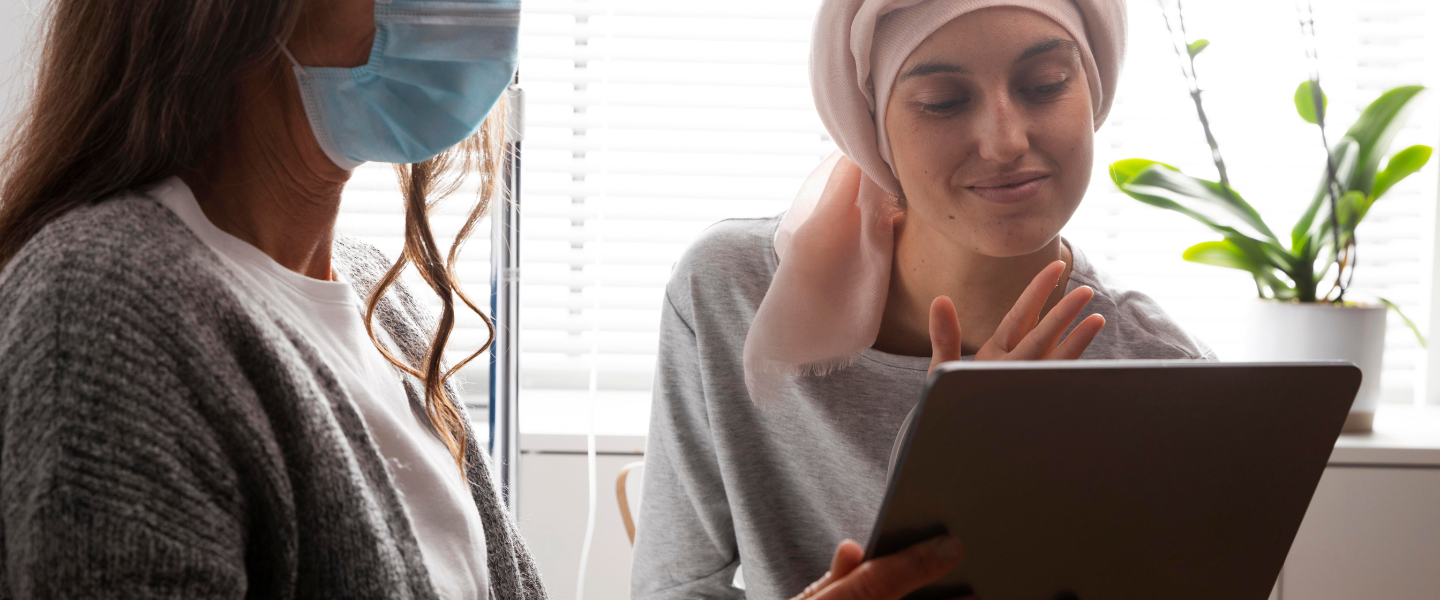
India has developed world-class cancer treatment facilities offering comprehensive care at affordable costs.
Treatment Modalities Available:
Surgery (various specialised approaches).
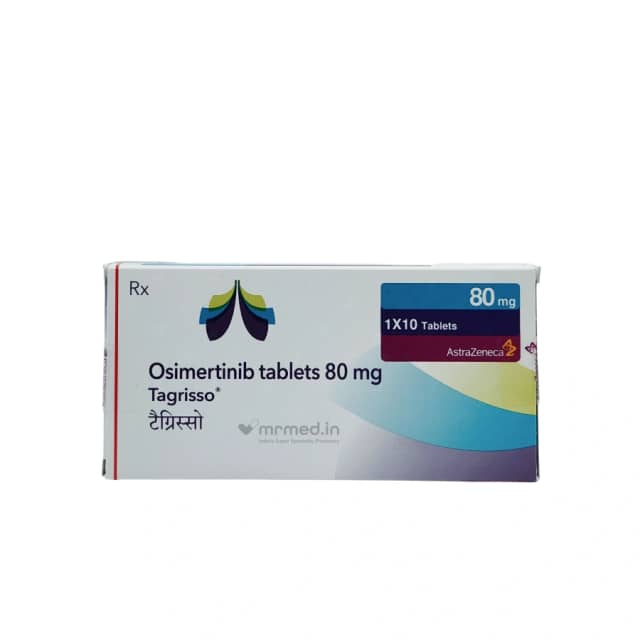
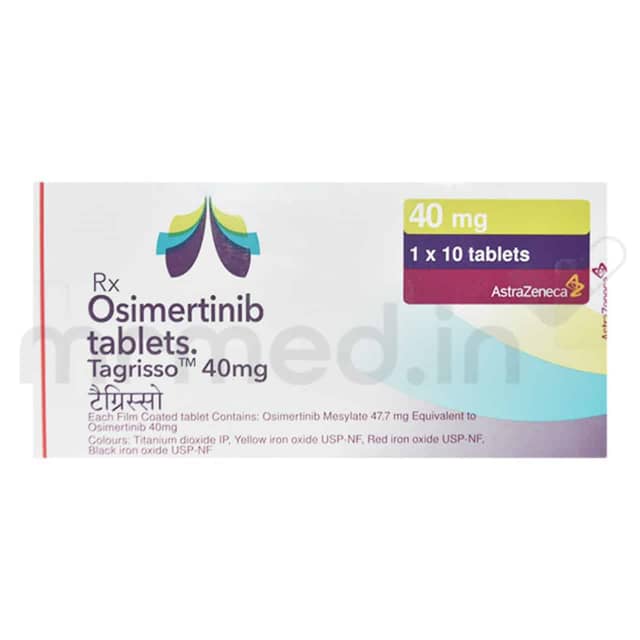
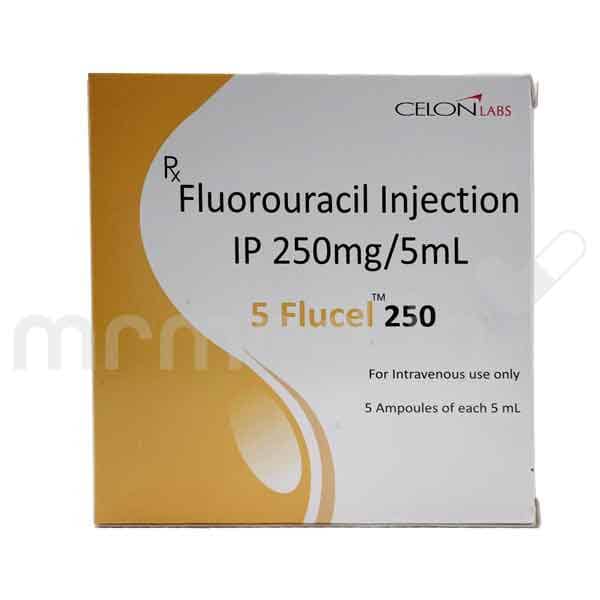
Chemotherapy (conventional and targeted).
Radiation therapy (conventional and advanced).
Immunotherapy (checkpoint inhibitors).
Hormone therapy.
Stem cell transplantation.
Approximate Treatment Costs:
Chemotherapy:
Single-cycle conventional chemotherapy: INR 15,000 to 50,000.
Targeted therapy: INR 1 to 5 lakh per month.
Immunotherapy: INR 1.5 to 10 lakh per dose (depending on the drug).
Radiation Therapy:
Full course conventional radiation: INR 1.5 to 3 lakh.
Advanced techniques (IMRT, IGRT): INR 2 to 5 lakh.
Surgery:
Cancer surgery costs vary widely by type and complexity: INR 50,000 to 5 lakh+.
Cancer Prevention Lifestyle Changes: Practical Strategies
Implementing evidence-based lifestyle modifications can substantially reduce cancer risk.
Actionable Cancer Prevention Strategies:
Completely avoid tobacco products (smoking and smokeless).
Limit alcohol consumption to <1 drink daily for women, <2 for men.
Maintain a healthy weight through a balanced diet and regular physical activity.
Consume at least 5 servings of fruits and vegetables daily.
Limit red meat consumption (beef, pork) to <500 grams weekly.
Avoid processed meats.
Exercise for at least 30 minutes daily, 5 days weekly.
Ensure adequate sleep (7 to 9 hours nightly).
Manage stress through meditation, yoga, or counselling.
Get vaccinated against HPV and hepatitis B.
Participate in age-appropriate cancer screening programs.
FAQs
Q1. What are the current annual cancer cases in India?
India currently has approximately 1.4 to 1.5 million new cancer cases annually, with approximately 1.16 million cancer deaths per year. This is projected to increase to 2.1 million cases annually by 2050 if preventive measures are not strengthened.
Q2. What are the top 3 worst cancers?
By mortality: Lung cancer, gastric cancer, and liver cancer cause the most deaths globally. By incidence in India: Breast cancer (women), lung cancer (men), and oral cancer (both sexes combined).
Q3. What percentage of people get cancer in India?
Approximately 1.4 to 1.5 million new cancer cases per year in a population of 1.4 billion represents approximately 0.1 per cent annual incidence. However, lifetime cancer risk (probability of developing cancer over a lifetime) is approximately 5 to 7 percent in India, varying by age, gender, and risk factors.
Q4. What is stage 4 cancer?
Stage 4 is the most advanced cancer stage, meaning cancer has spread (metastasised) to distant organs or tissues. Stage 4 cancers are generally incurable but treatable; goals shift from cure to prolonging survival and maintaining quality of life.
Q5. What is 90% of cancer caused by?
According to WHO, approximately 90 percent of cancer is caused by environmental and lifestyle factors, primarily: tobacco use (30-40 percent), infections (15-20 percent), obesity and inactivity (10-15 percent), alcohol (5-10 percent), radiation exposure (5-10 percent), and occupational/environmental exposures (5-10 percent). Genetics account for only approximately 5 to 10 percent of cancers.
Final Thoughts
The WHO's projection of 35 million cancer cases by 2050 represents both a warning and a call to action. For India, with the current annual incidence of 1.4 to 1.5 million cases, projected to increase to 2.1 million by 2050, the challenge is immense but not insurmountable.
Approximately 40 percent of cancers are preventable through lifestyle modifications, vaccination, and screening. India must simultaneously strengthen prevention through tobacco control and HPV vaccination, expand early detection programs, and improve treatment access across socioeconomic groups.
World-class cancer centres and specialists are available in India, offering treatment that meets international standards. Leveraging this expertise alongside public health initiatives can significantly alter India's cancer trajectory. Individual actions, such as tobacco cessation, healthy lifestyle, vaccination, and age-appropriate screening, combined with systemic investments in prevention, detection, and treatment, represent our best opportunity to address this growing burden.
Read Also
References
Indian Council of Medical Research. National Cancer Registry Programme — cancer statistics in India [Internet]. New Delhi: ICMR; 2024 [cited 2026 May 27].https://www.icmr.gov.in/
Ministry of Health and Family Welfare. Cancer prevention and screening guidelines for India [Internet]. New Delhi: MOHFW; 2024 [cited 2026 May 27].https://www.mohfw.gov.in/
All India Institute of Medical Sciences. Oncology services and cancer treatment [Internet]. New Delhi: AIIMS; 2024 [cited 2026 May 27].https://www.aiims.edu/index.php/en
Disclaimer: This article is for informational purposes only and does not constitute medical advice. Cancer diagnosis, screening decisions, and treatment plans should be personalised based on individual risk factors, medical history, and professional medical evaluation. Consult qualified oncologists and healthcare providers for personalised recommendations on cancer prevention, screening, and treatment. Cancer statistics and projections are based on available data and may be subject to revision as new information emerges. Early detection and access to treatment remain critical factors in cancer survival















Comments