

GLP-1 Medication Side Effects: What’s Normal, What’s Not, and How to Manage Them





Last updated on 02 Jan 2026
Key Takeaways
|
“I wasn’t told it would feel like this.”
That is a sentence doctors and pharmacists hear often from people starting GLP-1 medicines. Not because the medicines are unsafe, but because side effects show up quietly, usually in the stomach, and no one quite explains what is normal and what should raise concern.
If you are feeling uneasy after starting treatment, you are not alone. Most GLP-1 side effects are manageable and temporary. Some, however, need attention. Knowing the difference can save you stress and help you stay consistent with treatment.
Why GLP-1 Medicines Affect the Body This Way
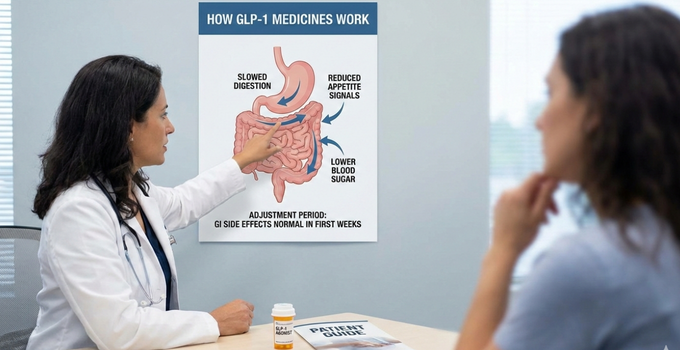
GLP-1 medicines assist the body in managing blood sugar more effectively, decrease appetite, and slow down food digestion. It may seem like an easy concept, but it will take your body time to get used to it.
The longer it takes for food to move through the digestive tract while your stomach is full, the fewer signals you will receive from your stomach telling you that you are hungry.
As a result of being on a GLP-1 medication, portions of food have decreased; this reduction has occurred without any effort from you.
The GI side effects associated with a GLP-1 medication are normal for the first few weeks of starting treatment. During this adjustment period, many people experience GI side effects from GLP-1 medications.
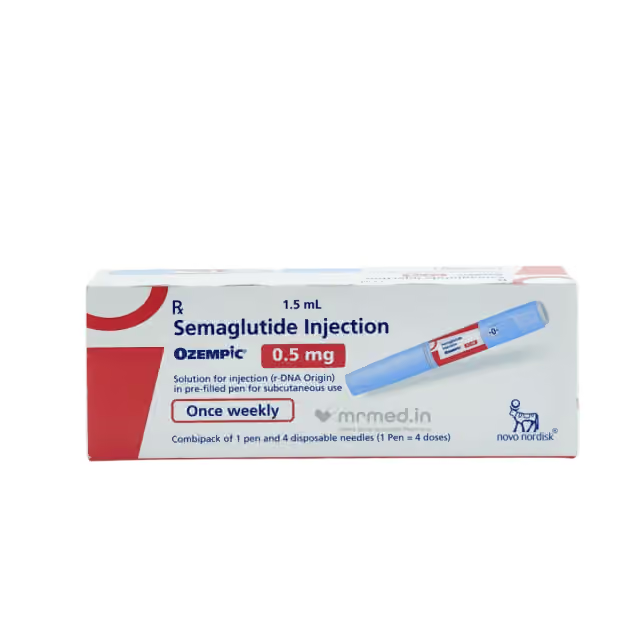
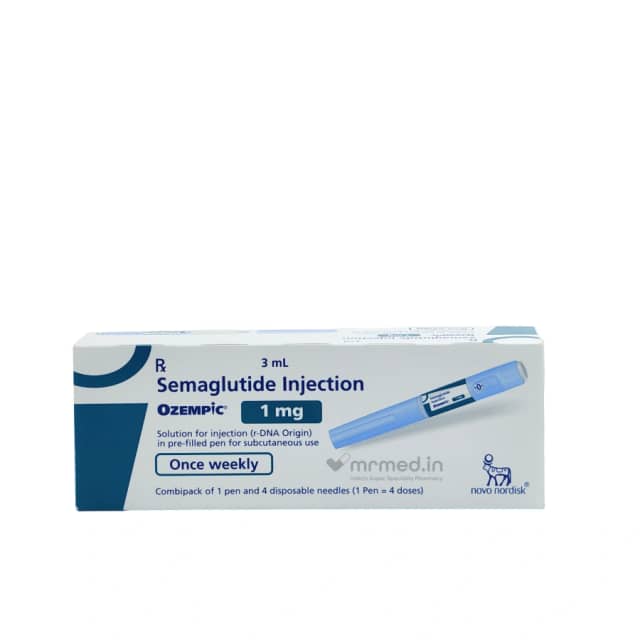
As per the NIH Clinical guidance notes that GLP-1 agonists like semaglutide have a heightened risk of gastrointestinal adverse effects including nausea, vomiting, diarrhea, and constipation, requiring careful monitoring and dose escalation.
Common Side Effects That Are Usually Normal
The listed symptoms are typical, particularly when beginning or ramping up the dosage; they typically resolve within several weeks.
Symptoms can occur after taking GLP-1 medications, especially after eating:
Nausea, being full quickly
Mild abdominal discomfort (bloating)
Vomiting occasionally
Constipation or diarrhea
Decreased appetite (although this may seem strange to some).
These reactions are an inherent part of the therapeutic effect of GLP-1 medicines; therefore, they should NOT be confused with ineffectiveness or safety concerns regarding the medication.
Once the body becomes accustomed to slower digestion, improvement is often seen among many users.
How to Reduce GLP-1 Nausea and Digestive Discomfort
You do not need complicated tricks. Small changes make a big difference.
Eating habits that help
Keep meal portions modest, even if it feels like you are eating less than usual.
Slow down while eating and stop before you feel uncomfortably full.
Stay away from greasy, spicy, and heavy meals during the initial weeks.
Daily habits that matter
Drink water in small amounts throughout the day instead of all at once.
Remain seated or upright after eating to support digestion.
Choose simple, light meals for dinner.
Timing tips
Take the injection later in the day if that suits your body better.
Do not miss meals, since an empty stomach can make nausea worse.
If symptoms improve week by week, you are likely adjusting normally.
GLP-1 Stomach Pain Causes That Should Not Be Ignored
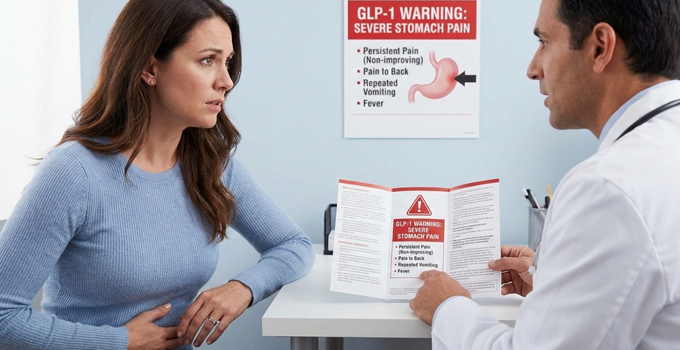
Not all pain is harmless. Mild discomfort or bloating is common. Sharp, persistent pain is not.
Watch closely if you experience:
Severe stomach pain that does not improve
Pain spreading to the back
Repeated vomiting
Fever with abdominal pain
These may indicate adverse reactions that GLP-1 users should never ignore. Seek medical advice without delay.
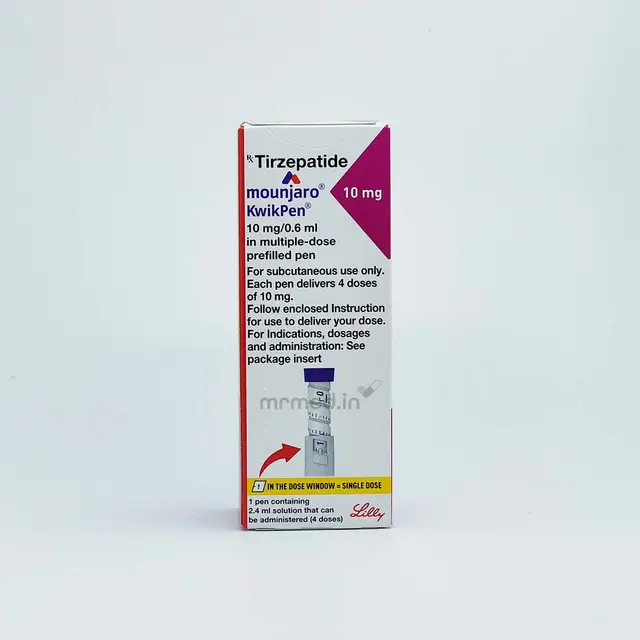
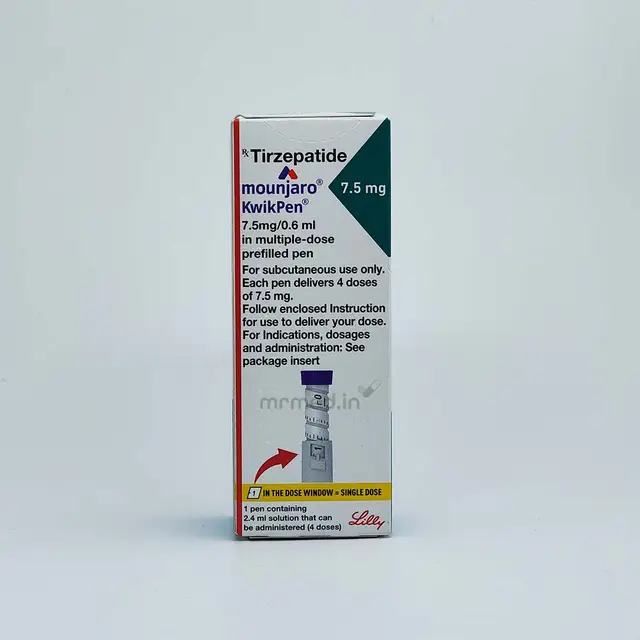
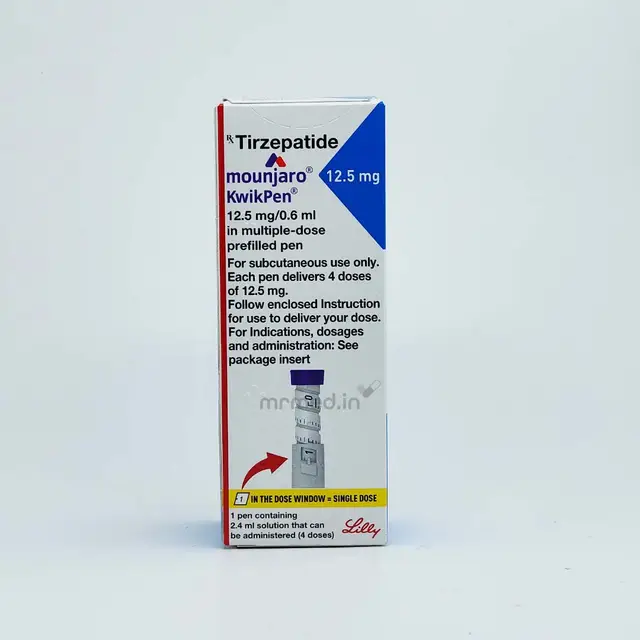
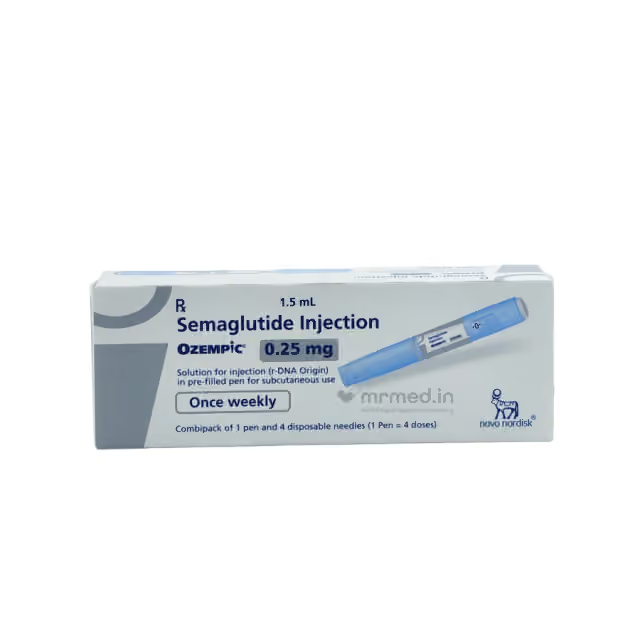
Semaglutide Side Effects vs Tirzepatide Side Effects
Different GLP-1 medicines can feel different in the body.
Aspect | Semaglutide side effects | Tirzepatide side effects |
Nausea | Common in early weeks | Common but dose dependent |
Appetite reduction | Strong | Very strong |
Digestive tolerance | Moderate | Often better for some |
Fullness | Early and noticeable | Strong and prolonged |
Responses vary. One person’s smooth experience can be another’s struggle. There is no universal winner when it comes to tolerability.
GLP-1 and Pancreatitis Risk: What You Should Know
Many people have expressed their anxieties through social media. Although the risk of GLP-1 and pancreatitis is relatively small, it is treated seriously by both patients and doctors. Large studies are being conducted to ensure patients' safety, and doctors are discouraged from prescribing these medications to individuals with a history of pancreatitis.
Any of the following symptoms should be treated as an emergency, and you should seek medical attention immediately:
Sudden severe pain in the upper abdomen
Pain that gets worse after eating
The pain radiates into your back.
These symptoms need immediate medical attention. Do not wait to see if it passes.
The FDA highlights that acute pancreatitis has been observed in patients treated with GLP-1 receptor agonists and recommends discontinuation if pancreatitis is suspected. This caution is included under warnings and precautions for semaglutide products.
GLP-1 and Gallbladder Issues Explained Simply
Rapid weight loss can increase the risk of gallstones, regardless of how the weight is lost. This is why GLP-1 and gallbladder issues sometimes appear during treatment.
Possible symptoms:
Pain on the right side of the abdomen
Nausea after fatty meals
Yellowing of eyes or skin
Slow, steady weight loss reduces this risk. Sudden drops on the weighing scale may look good, but are not always kind to the gallbladder.
The FDA shows that dosing errors with compounded semaglutide products have been associated with gastrointestinal effects such as nausea, vomiting, abdominal pain, and rare cases of acute pancreatitis and gallstones.
Are Long-Term Risks a Real Concern?
People often worry about GLP-1 long-term risks because these medicines are still relatively new for weight management.
What we know so far:
Ongoing studies show a reassuring safety profile for GLP-1 medicines
Long-term monitoring continues worldwide
Side effects tend to reduce over time, not increase
Doctors review benefits versus risks regularly. This is how GLP-1 safety is maintained over years, not months.
Who Should Be Extra Careful Before Starting GLP-1
GLP-1 medicines are not one-size-fits-all.
Extra caution is needed if you have:
History of pancreatitis
Gallstones or gallbladder disease
Severe digestive disorders
Certain thyroid conditions
This does not mean automatic rejection. It means closer monitoring and informed decisions.
Tolerability Issues: Why Some People Struggle More
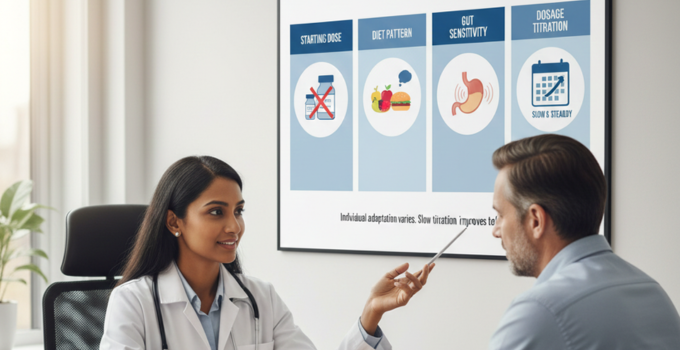
Each person will have their own personal rate of adaptation, regarding tolerability concerns. Some of these variables include:
Initiating treatment with a higher dose
The individual's dietary patterns
Pre-existing digestive system sensitivity
The rate at which the clinician titrates the dosage.
Slow titration is frequently necessary, and zip-tied schedules typically yield opposite results.
FAQs (People Also Ask)
1. Are GLP-1 side effects permanent?
No. Most side effects improve within weeks as the body adjusts.
2. How long does nausea last on GLP-1 drugs?
Usually, a few days to a few weeks, especially after dose changes.
3. Can I stop treatment if side effects feel bad?
Always consult your doctor before stopping. Many issues improve with dose adjustment.
4. Are GLP-1 medicines safe long term?
Current evidence supports long-term use under medical supervision.
5. What foods reduce GLP-1 stomach discomfort?
Light meals, low oil, less spice, and smaller portions help most people.
6. Is pancreatitis common with GLP-1 medicines?
No. It is rare but serious and needs immediate care.
7. Do all GLP-1 medicines cause gallstones?
No. Risk is linked more to rapid weight loss than the medicine itself.
8. When should I call my doctor?
If pain is severe, persistent, or worsening, do not wait.
Final Thought
GLP-1 medicines are powerful tools, not magic injections. Side effects do not mean failure. They are signals from the body learning a new rhythm. Ignore panic posts. Listen to your symptoms. Ask questions early. With the right guidance, most people find a balance where benefits clearly outweigh discomfort.
Sometimes, staying informed is the best medicine of all.
Read Also
References
Filippatos TD, et al. Adverse Effects of GLP-1 Receptor Agonists. Rev Diabet Stud. 2015 Feb 10;11(3):202–230. doi: 10.1900/RDS.2014.11.202
Chiang CH, et al. Glucagon-Like Peptide-1 Receptor Agonists and Gastrointestinal Adverse Events: A Systematic Review and Meta-Analysis. Gastroenterology. 2025 Nov;169(6):1268-1281. doi: 10.1053/j.gastro.2025.06.003. Epub 2025 Jun 9.
Kim J, Yoo H, Exploring the Side Effects of GLP-1 Receptor Agonist: To Ensure Its Optimal Positioning, Diabetes and Metabolism Journal (2025) 49(4) 525-541 DOI: 10.4093/dmj.2025.0242
Disclaimer: The content in this blog is for general informational purposes only and is not a substitute for professional medical advice, diagnosis, or treatment. Always consult your doctor or a registered dietitian before making any changes to your diet, especially if you have a medical condition or are taking prescribed medication. While the information is based on trusted sources, individual needs and results may vary. MrMed does not promote or endorse any specific food or treatment mentioned unless explicitly stated.














Comments