

GLP-1 Drugs and Thyroid Cancer Risk: What the Evidence Shows





Last updated on 10 Aug 2026
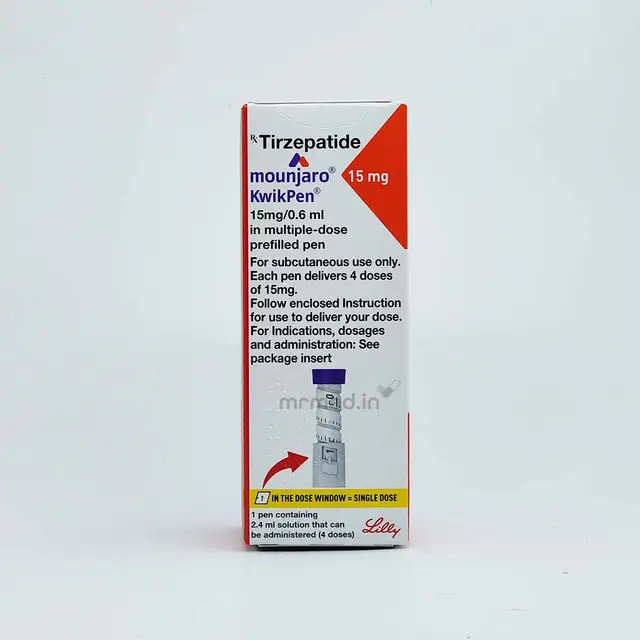
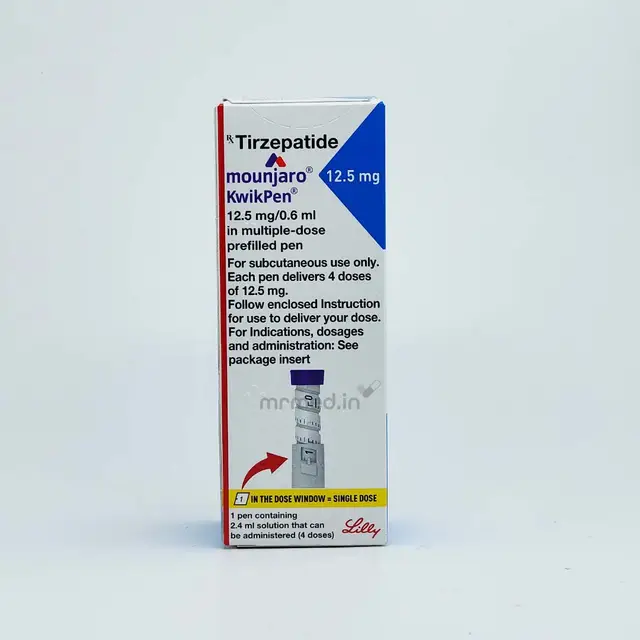
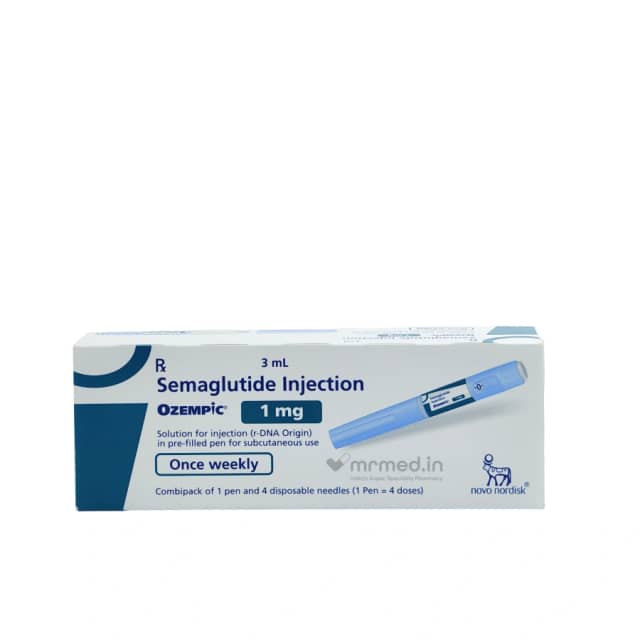
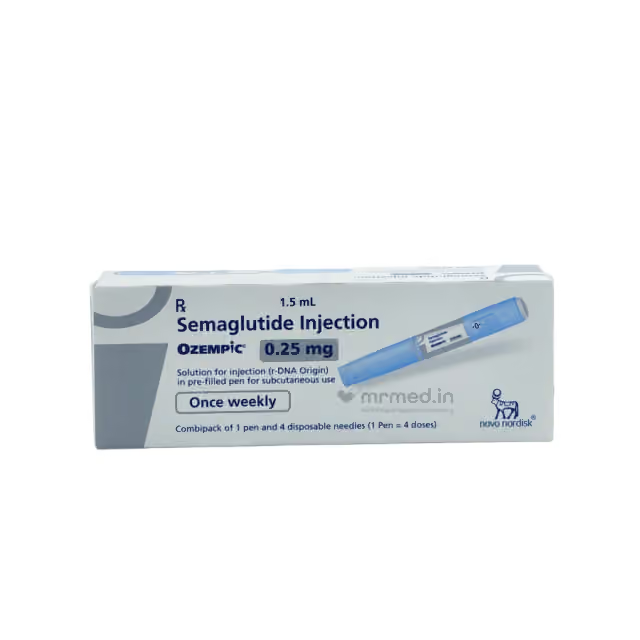
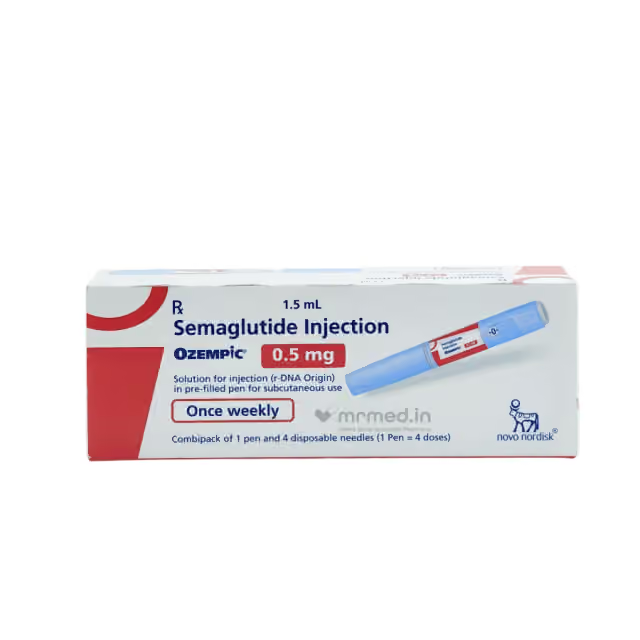
If you have been recommended Ozempic, Wegovy, or Mounjaro, or are thinking of trying one of those drugs, and you have seen the black box warning about thyroid cancer associated with your medication, you probably have questions. The language used in this warning is strong and should be taken seriously.
However, this warning is often, but not always, misunderstood, and the anxiety it causes is often not in line with what the scientific evidence shows.
This blog post will describe in a straightforward way what the GLP-1 thyroid cancer warning is about, where it stems from, what the scientific research indicates, and what this means for the question of whether these drugs are safe.
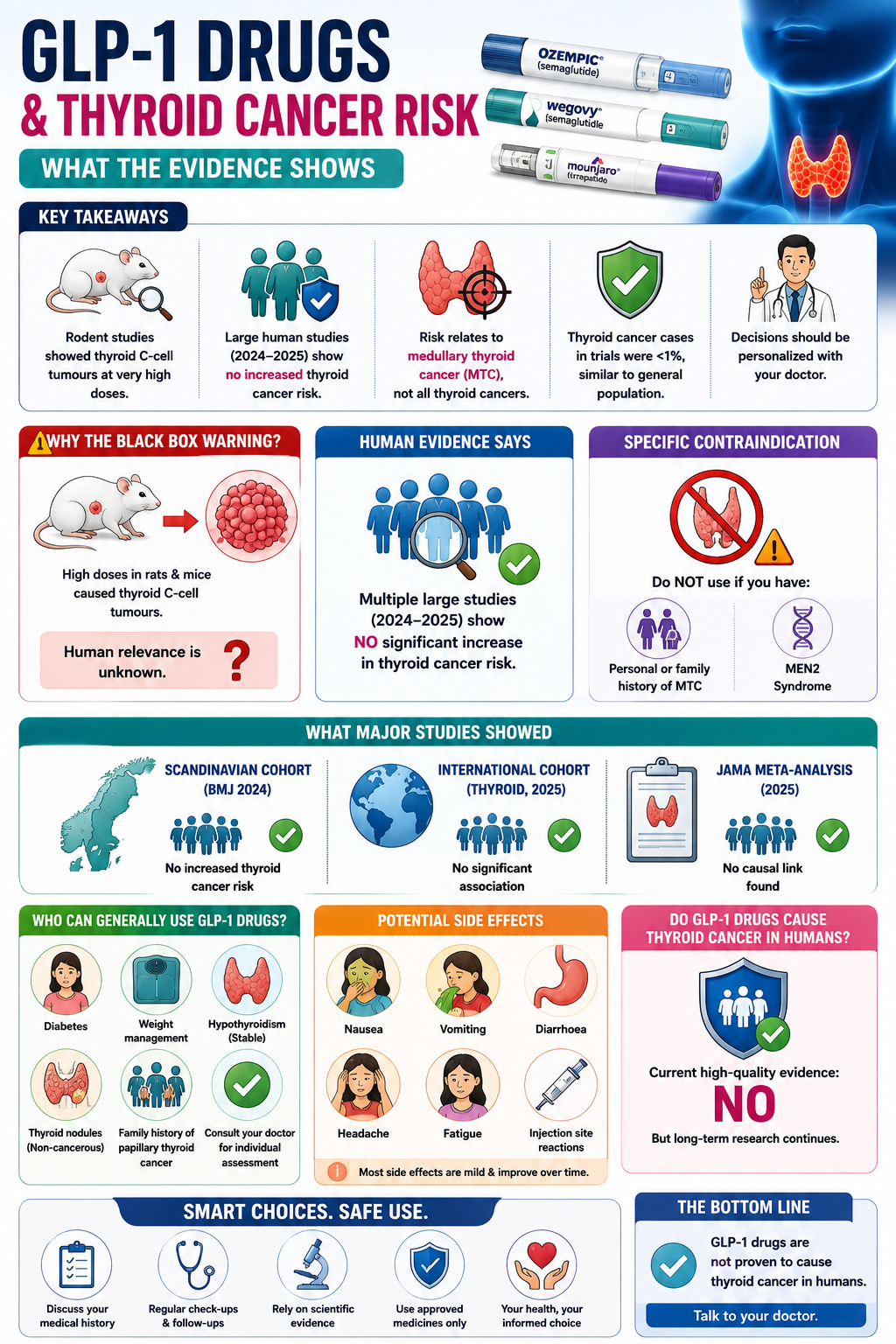
Key Takeaways
|
What Is the GLP-1 Black Box Warning and Why Does It Exist?
A black box warning, also called a boxed warning, is the FDA's highest-level safety caution. It appears at the top of a prescription drug's official information and signals a serious or potentially life-threatening risk identified during drug development.
The Ozempic black box warning, shared by Wegovy, Mounjaro, and other GLP-1 drugs, reads words to the effect of:
"GLP-1 receptor agonists cause thyroid C-cell tumours at clinically relevant exposures in both male and female rats and mice. It is unknown whether these drugs cause thyroid C-cell tumours, including medullary thyroid carcinoma, in humans. This drug is contraindicated in patients with a personal or family history of medullary thyroid carcinoma (MTC) or Multiple Endocrine Neoplasia syndrome type 2 (MEN2)."
Why do GLP-1 medications have a black box warning for thyroid cancer?
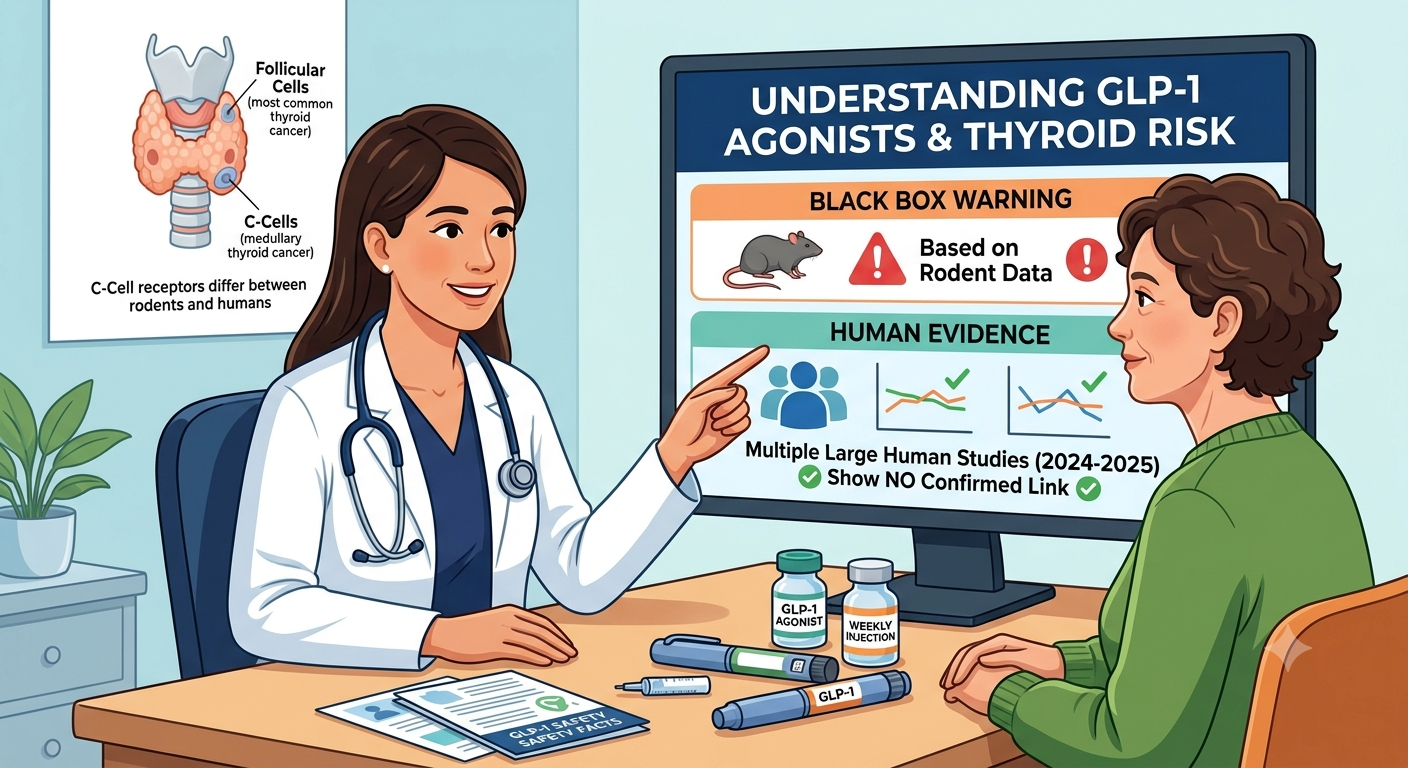
As a result of rodent research, GLP-1 receptor agonists, when administered in large quantities, act on thyroid C-cells in rats and mice. More specifically, the increase in thyroidal C-cells occurs through pharmacological mechanisms: rodent C-cells possess far more GLP-1 receptors than those in humans. In addition, rodent cells also respond much more sensitively to stimulation than human cells. In this regard, multiple studies conducted in non-human primates, including long-term studies with monkeys, show no evidence of C-cell change.
Dr Tina K. Thethi, Board-Certified Endocrinologist at AdventHealth Diabetes Institute, Orlando, and an Associate Investigator at AdventHealth's Translational Research Institute who received her medical degree from N.K.P. Salve Institute in India and specialises in diabetes, obesity, and thyroid conditions captures the clinical consensus: the black box warning is pharmacologically grounded in animal data, but the best available human evidence does not support a significant thyroid cancer risk in the general GLP-1-using population.
What the Human Evidence Actually Shows

Here is where the story differs significantly from the warning label's cautionary language. A substantial body of human evidence has now accumulated, and it does not confirm a meaningful risk.
The Scandinavian Cohort Study (BMJ 2024)
A large Scandinavian cohort study published in the BMJ (2024) by Pasternak and colleagues evaluated GLP-1 receptor agonist use and thyroid cancer risk in a real-world population. The study found no statistically significant increase in overall thyroid cancer risk associated with GLP-1 receptor agonist use in humans.
International Multisite Cohort Study (Thyroid, 2025)
An international multisite cohort study by Baxter and colleagues, published in Thyroid (2025), covering multiple countries and tens of thousands of patients, similarly found no significant association between GLP-1 receptor agonist use and increased thyroid cancer risk.
The JAMA Otolaryngology Meta-Analysis (2025)
According to a research paper published in JAMA Otolaryngology Head and Neck Surgery (2025) that focused on the risk of thyroid cancer in patients taking GLP-1 agonists and diagnosed with Type 2 diabetes, there is no evidence suggesting an increase in prevalence of commonly found forms of thyroid cancer or worsening of existing conditions for patients who have undergone this treatment.
The Semaglutide Systematic Review (Int J Mol Sci, 2024)
The findings of a systematic review published in the International Journal of Molecular Sciences (2024), including ten randomized controlled trials and 14,550 participants (seven thousand eight hundred thirty patients treated with semaglutide), showed that the incidence of thyroid cancer among participants who had been treated with semaglutide was below 1 percent, which is a number consistent with expected rates in the population.
The Broader Cancer Context
A significant study performed on people with obesity or overweight in the year 2025 studied the accumulation of data about GLP-1 receptor agonists and their relation to the percentage of specific types of cancer. The data said that the number of people with cancer is lower for those who took the drug class than those who didn’t (13.6 versus 16.4 cases of cancer in 1000 individuals per year). Nevertheless, this does not mean that this therapy is bad; however, the information challenges the thesis about it being harmful in terms of cancer development.
Does Ozempic or Mounjaro Actually Cause Thyroid Cancer in Humans?
Based on the best available human evidence as of mid-2026, the answer is: no confirmed causal link has been established.
Several global human studies published between 2024 and 2025 that included hundreds of thousands of people did not provide evidence of an increase in thyroid cancer cases due to administration of a GLP-1 receptor agonist. The black box warning indicates caution in the situation of evidence uncertainty.
GLP-1 Thyroid Cancer Risk: The Specific Contraindication
The GLP-1 contraindications related to thyroid are specific, not general:
Condition | GLP-1 Use |
Personal history of medullary thyroid carcinoma (MTC) | ❌ Contraindicated: do not use |
Family history of medullary thyroid carcinoma (MTC) | ❌ Contraindicated: do not use |
Multiple Endocrine Neoplasia syndrome type 2 (MEN2) | ❌ Contraindicated: do not use |
Thyroid nodules | ⚠️ Discuss with doctor: not automatically excluded |
Hypothyroidism or Hashimoto's | ✅ Generally not a contraindication: discuss with doctor |
Family history of papillary thyroid cancer only | ⚠️ Discuss with doctor: no confirmed GLP-1 link to PTC |
Personal history of papillary or follicular thyroid cancer | ⚠️ Discuss with oncologist: no direct contraindication in guidelines |
The contraindication is very specifically about medullary thyroid carcinoma, the cancer of thyroid C-cells, which have GLP-1 receptors. This represents only about 1 to 2 per cent of all thyroid cancers.
Papillary Thyroid Cancer and GLP-1: Is There a Link?
Papillary Thyroid Cancer and GLP-1 have been popularly searched in the field, and this appears to be one of the most misunderstood areas concerning the black box warning.
Papillary thyroid cancer emanates from thyroid follicular cells, unlike C-cells, from where the GLP-1 receptor mechanism that creates concerns in rats originates. Papillary thyroid cancer cells do not have GLP-1 receptors like C-cells. The connection that relates GLP-1 agents to C-cell tumors in rats does not apply to the risk of papillary thyroid cancer.
Family history of papillary thyroid cancer and GLP-1 use: if family history includes papillary or follicular thyroid cancer but not medullary thyroid cancer or MEN2, then this family history does not mean a contraindication for GLP-1 use. You should talk to the doctor, but the black box warning is not applicable in this case.
Can I Take a GLP-1 Drug If I Have Thyroid Nodules or Hypothyroidism?

Thyroid nodules: No generalized contraindication. A study published in Endocrine Practice (2025) examined the use of GLP-1 drugs in patients with existing thyroid nodules and did not find any considerable increases in nodule progression or tragic transformation. Still, patients with thyroid nodules who undergo GLP-1 therapy should continue regular thyroid monitoring.
In case of taking a GLP-1 receptor agonist and experiencing new neck swelling, voice changes, or swallowing issues, GLP-1 signs of thyroid cancer should be reported to the physician as well.
Hypothyroidism and Hashimoto’s thyroiditis: There are no clear contraindications with GLP-1 therapy. These are autoimmune and functional diseases affecting thyroid follicular cells but not C-cells. Thus, GLP-1 drugs do not affect the path, and one can continue taking thyroid medication and following the treatment scheme.
Who Should NOT Take GLP-1 Medications Due to Thyroid Risk?
The answer, based on current evidence and regulatory guidance, is:
Anyone with a personal history of medullary thyroid carcinoma (MTC)
Anyone with a first-degree family member with medullary thyroid carcinoma
Anyone with Multiple Endocrine Neoplasia syndrome type 2 (MEN2)
If you fall into any of these three categories, GLP-1 drugs are formally contraindicated not because human evidence confirms a definitive risk, but because the mechanistic plausibility is sufficient to justify avoidance when safer alternatives exist.
The GLP-1 Thyroid Cancer Lawsuit: What It Means (and Does Not Mean)
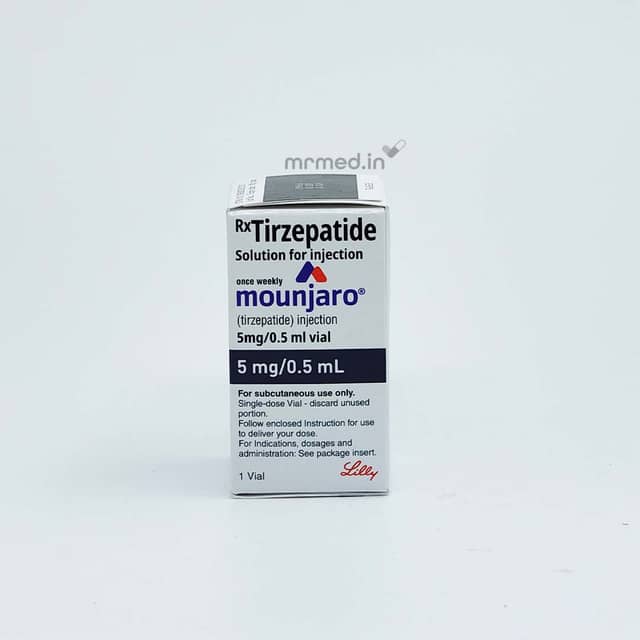
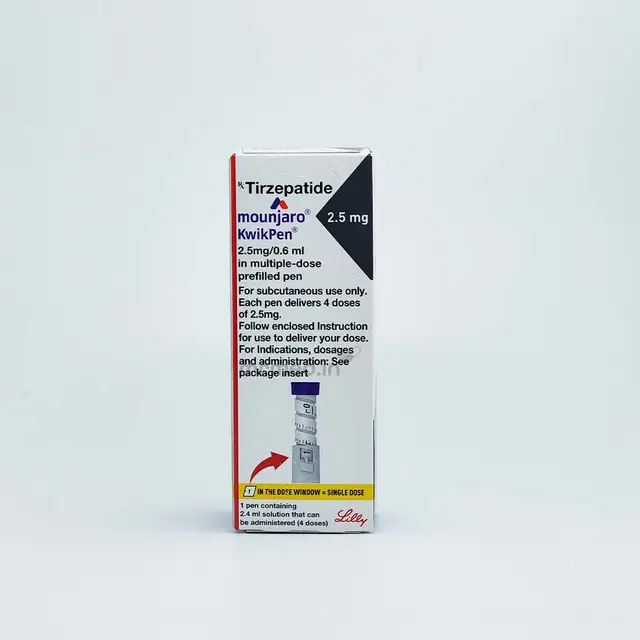
The GLP-1 thyroid cancer lawsuit landscape in the United States has been extensively covered in the media. Thousands of patients have filed lawsuits against Novo Nordisk (semaglutide) and Eli Lilly (tirzepatide), alleging that these drugs caused their thyroid cancers.
It is important to be clear about what legal action does and does not establish. A lawsuit, even a large-scale class action, does not prove scientific causation. Courts evaluate liability through legal standards, not scientific ones. Multiple plaintiffs developing thyroid cancer while on a GLP-1 drug does not establish that the drug caused the cancer, any more than multiple people developing thyroid cancer while drinking tea would establish that tea causes thyroid cancer. Background thyroid cancer rates are 10 to 13 per 100,000 people per year.
People on any medication for years will develop thyroid cancer at background rates.
Has anyone got thyroid cancer from Ozempic? Some patients taking Ozempic have been diagnosed with thyroid cancer. Whether the drug caused it versus the patient developing thyroid cancer regardless, as millions do, cannot be determined from individual case reports. This is precisely why large cohort studies involving hundreds of thousands of patients exist.
What to Do If You Are Concerned
If you are currently taking a GLP-1 drug and are worried about semaglutide thyroid side effects or Tirzepatide thyroid risk, the practical advice is:
Continue regular thyroid monitoring and ultrasound if you have known nodules; annual TSH if you have thyroid disease
Report new symptoms unexplained neck lump, persistent hoarseness, difficulty swallowing to your doctor promptly
Do not stop medication without medical advice; the cardiovascular, glycaemic, and weight-related benefits of GLP-1 drugs are well-established and meaningful
Ask your doctor directly about your specific risk factors, particularly if there is any family history of MTC or MEN2
FAQs
Q1. Why do GLP-1 medications have a black box warning for thyroid cancer?
Because rodent studies at high doses showed thyroid C-cell tumours. Human C-cells have far fewer GLP-1 receptors than rodent C-cells, and multiple large human studies have not confirmed this risk translates to people.
Q2. Does Ozempic or Mounjaro actually cause thyroid cancer in humans?
Based on current evidence, no. Large cohort studies involving hundreds of thousands of patients have found no statistically significant increase in thyroid cancer risk.
Q3. Can I take a GLP-1 drug if I have thyroid nodules?
Not automatically excluded. Discuss with your doctor and continue regular monitoring. If nodules are already being tracked, simply maintain that schedule.
Q4. Who should not take GLP-1 medications due to thyroid risk?
Anyone with a personal or family history of medullary thyroid carcinoma, or anyone with MEN2 syndrome. These are the specific contraindications, not all thyroid history.
Q5. Does family history of papillary thyroid cancer mean I cannot take GLP-1 drugs?
No, the black box warning applies specifically to medullary thyroid carcinoma and MEN2. Papillary thyroid cancer involves different cell types and has no established link to GLP-1 receptor activation.
Final Thoughts
The inquiry regarding GLP-1 thyroid malignancy has two stories due to a discrepancy between the regulatory label and clinical evidence, which patients must be aware of. The black box warning has a valid reason since the animal studies provided significant data, meaning actions must be taken on the regulatory front.
However, the human evidence collected from numerous large cohort studies, systematic reviews, and meta-analyses that included hundreds of thousands of patients and accumulated over time did not prove that signal in humans. Nonetheless, it does not mean the matter is closed. The long-term follow-up is still underway.
Read Also
References
Thyroid Cancer.com [Internet]. 2026 Feb 01 [cited 2026 Jul 09]. GLP-1 medications and thyroid cancer risk: 2026 evidence review. Available from: https://www.thyroidcancer.com/blog/do-glp-1-weight-loss-shots-like-ozempic-and-mounjaro-really-raise-thyroid-cancer-risk
Feier CVI, Faur AM, Muntean C, et al. Assessment of thyroid carcinogenic risk and safety profile of GLP-1 receptor agonist semaglutide therapy for diabetes mellitus and obesity: a systematic literature review. Int J Mol Sci [Internet]. 2024 [cited 2026 Jul 09];25(8):4346. Available from: https://www.ncbi.nlm.nih.gov/pmc/articles/PMC11050669/
Vilsbøll T, Garber A, Minze M, et al. Assessment of thyroid cancer risk associated with glucagon-like peptide-1 receptor agonist use. Diabetes Obes Metab [Internet]. 2025 Nov [cited 2026 Jul 09]. Available from: https://dom-pubs.onlinelibrary.wiley.com/doi/full/10.1111/dom.70291
Disclaimer: This article is for general informational and educational purposes only and does not constitute medical advice. GLP-1 receptor agonists are prescription medicines. If you have concerns about thyroid cancer risk or are considering these medications, consult a qualified endocrinologist or physician. Do not stop or adjust your medication without medical guidance.













Comments