

Most common questions people search for or wonder about regarding GLP-1 medicines





Last updated on 05 Jan 2026
Key Takeaways
|
If you have utilised the internet at all recently, be it through social media, talking with people about it, or reading articles online, chances are you have seen a mention of the GLP-1 medication class (glucagon-like peptide 1). GLP-1 medications have gone from being relatively obscure prescriptions used in the diabetes field to being one of the hottest topics of 2017 (and beyond).
In this article, I will answer some of the more common questions people have about GLP-1 medications in a straightforward manner, without using technical jargon or hype.

Basic Understanding of GLP-1 Medicines
The use of GLP-1 medications is gaining popularity due to two major health issues facing India: diabetes and obesity. The term "GLP-1" refers to glucagon-like peptide-1, a substance produced by our intestines after we eat. When released, GLP-1 helps our bodies manage blood sugar levels and regulates appetite by slowing how quickly food leaves the stomach after a meal. Unlike many other types of vitamins or dietary supplements marketed as quick fixes or short-term solutions, GLP-1 medications act by modulating internal signals in the human body. Because of this action, physicians regard GLP-1 medications as medical therapies rather than just as nutritional supplements.
In addition, the research revolving around how GLP-1 medications promote satiety (feeling full) much sooner than a normal meal has broadened the base of acceptable uses outside of treating diabetes and into weight loss and metabolic health..
1. What are GLP-1 medicines?
GLP-1 medications are prescription drugs that mimic how our bodies' own natural hormones operate when we eat. These hormones play an important role in regulating our blood glucose (sugar) levels, decreasing our desire to eat, and the length of time we feel satisfied after eating.
GLP-1 medicines were developed primarily as treatments for people with diabetes; however, they also proved to be strong facilitators of weight-loss success. As such, these medications continue to be successfully used today in medically supervised treatment programs to support people's metabolic health (i.e., as treatments for diabetes / obesity / other metabolic dysfunction).
2. How do GLP-1 medicines work in the body?
GLP-1 medications target the brain, pancreas, and digestive system by stimulating insulin release following increased blood glucose levels; suppressing appetite signals sent by the brain; and slowing the release of food from the stomach, thus reducing the amount of food consumed at one time while maintaining stable blood glucose levels post-meal.
3. Are GLP-1 medicines the same as insulin?
There is no distinction between how insulin lowers blood sugar levels and how GLP-1 medications work. However, unlike GLP-1 medication, which helps stimulate the natural release of insulin from your body when needed and helps reduce post-meal blood sugar spikes, insulin does not affect appetite.
Therefore, GLP-1 medications act in much the same way as insulin, but the mechanisms by which they do so are very different.
4. What conditions are GLP-1 medicines approved for?
GLP-1 medications can be used to treat various conditions, including:
Type 2 Diabetes
Obesity/Overweight in combination with other clinical risk factors
Specific metabolic diseases
5. What are the most common GLP-1 medicines?
Physicians will only prescribe these medications when lifestyle modifications do not work.
Some common GLP-1 medications are:
-Liraglutide
-Dulaglutide
-Exenatide
Each medication has different strengths, doses, and side effects.
6. How effective are GLP-1 medicines for weight loss?
Weight Loss With GLP-1 Medications: How?
When used consistently with a healthy diet, GLP-1 medications can result in substantial weight loss.
While this is the case for many, others may experience a slower rate or less weight loss than expected. Read More About How GLP-1 Medications Support Weight Loss!
7. How much weight can I expect to lose?
The amount of weight you can lose isn't fixed. It will depend on many factors, including the type of medicine and your individual metabolism. The length of time you have been taking the drug and your own diet/exercise habits also influence how much weight you are able to lose. Doctors usually assess an individual's health, not simply by their body weight.
8. How long does it take to see results?
At least 2–3 months after starting GLP-1 medications, patients typically notice visible results due to decreased calorie intake. Many patients with diabetes notice improvements in blood glucose control within 2–3 months of starting GLP-1 therapy.
Effectiveness, Results, and Expectations
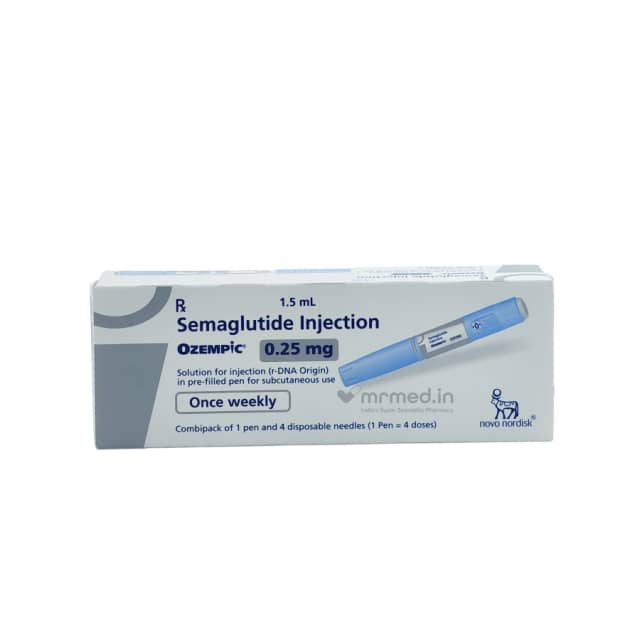
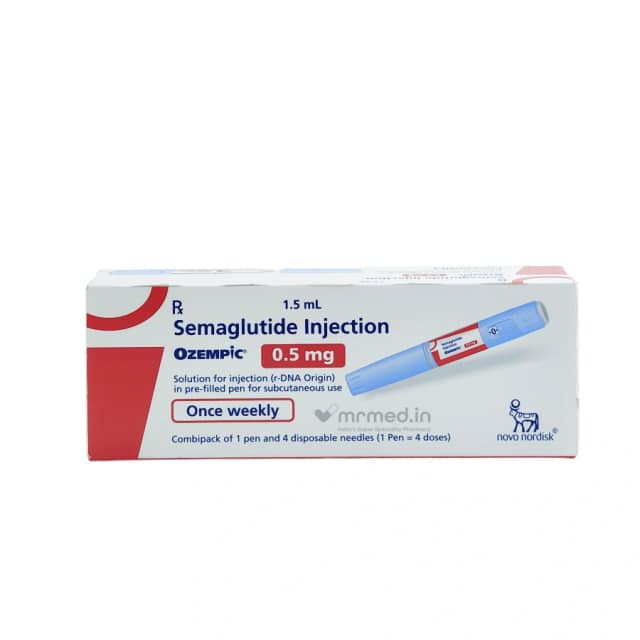
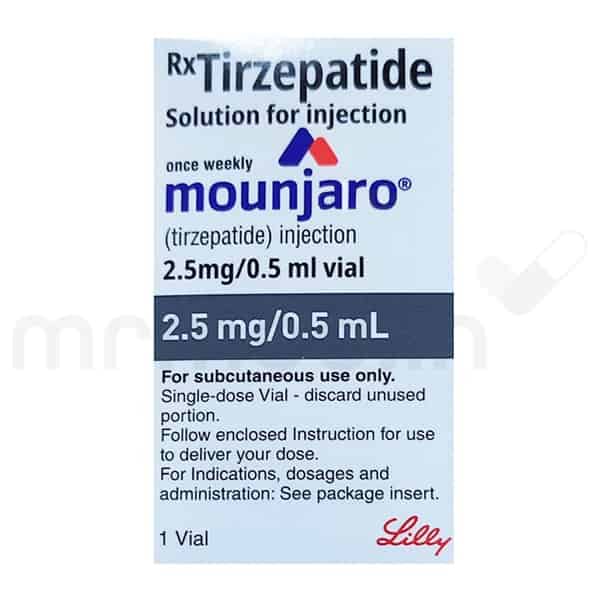
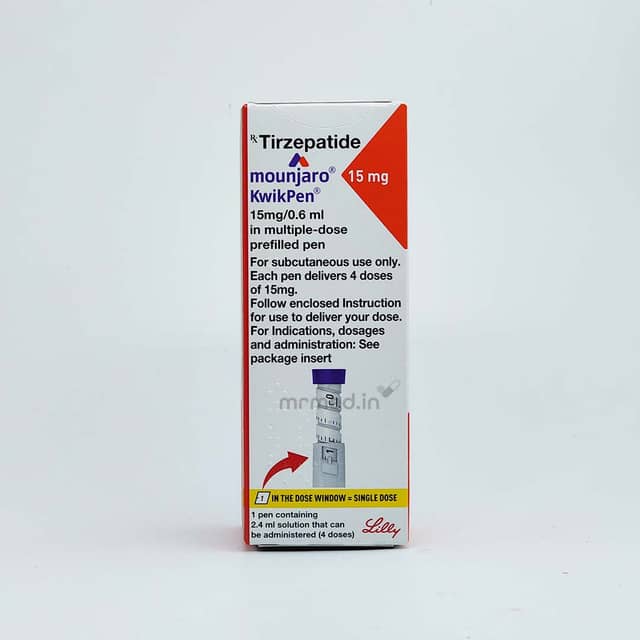
Due to the visible results associated with GLP-1 medications, many patients become interested in starting these treatments, including options such as Mounjaro injection and Ozempic injection. One of the most common effects observed soon after starting GLP-1 therapy is reduced appetite, which often leads to lower calorie intake and gradual weight loss over time. However, results can vary widely between individuals and depend on factors such as medication dose, consistency in use, dietary habits, and individual metabolic rate.
Like all long-term treatments, GLP-1 medicines require planning and commitment to achieve sustained results. Patients considering therapies such as Mounjaro injection or Ozempic injection should discuss long-term goals and expectations with their doctor before starting glucagon-like peptide-1 medications.
9. Will I regain weight after stopping GLP-1 medicines?
When patients discontinue medication and do not maintain regular lifestyle habits, there is an increased possibility of weight regain. Therefore, it is important for health care providers to emphasise long-term development of an achievable weight goal before initiating GLP-1 treatment.
10. Do GLP-1 medicines help with diabetes or only with weight loss?
GLP-1 medications provide two significant advantages: better blood sugar control through improved regulation of glucose metabolism, and assistance in achieving weight-loss goals.
For individuals with diabetes who are also struggling with obesity, this combination of advantages from using GLP-1 medications is very appealing and valuable.
11. Can GLP-1 medicines reduce heart disease risk?
Reduced cardiovascular complication risk has been reported from some studies, particularly among those with diabetes. However, these cardiovascular event-protection benefits vary by medication type and from patient to patient.
12. Can GLP-1 medicines help with fatty liver or kidney health?
Early studies indicate that improved metabolism could mean patients have advantages against fatty liver disease, in addition to protecting their kidneys. Longer studies are forthcoming.
13. What are the common side effects?
The following list is an example of possible common side effects of this medicine:
Nausea
Vomiting
Constipation or Diarrhoea
Bloating
14. Are serious risks possible?
The symptoms tend to improve over time; however, there are serious risks, such as gallbladder problems or pancreatitis, that can occur but are infrequent, thus making regular monitoring necessary to keep physicians aware of their condition.
15. Can GLP-1 medicines affect mood or eating behaviour?
Most people will experience decreased appetite rather than mood changes. But if you notice any changes in emotions or behaviour that seem out of the ordinary. You should talk to your medical provider.
Safety, Side Effects, and Long-Term Use
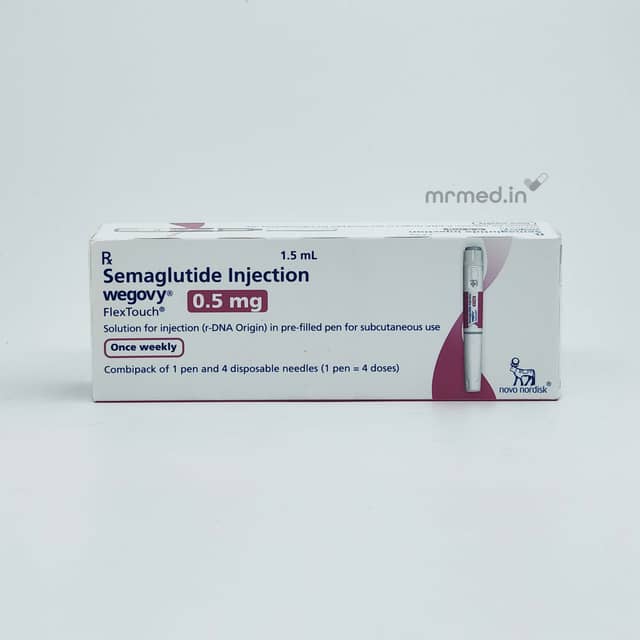
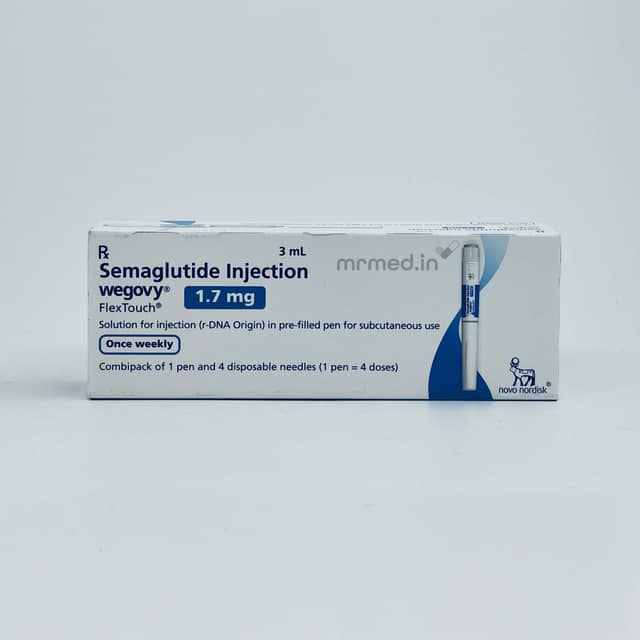
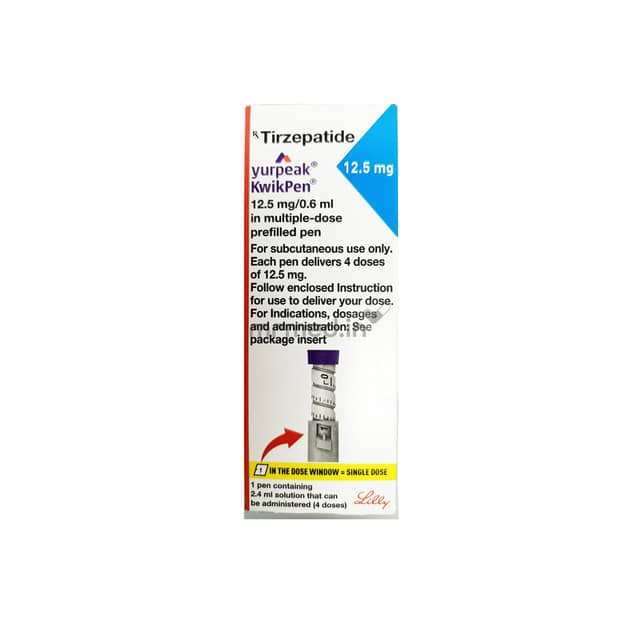
GLP-1 medicines often cause digestive side effects because they slow stomach emptying. This can lead to nausea, bloating, constipation, or diarrhoea, especially in the first few weeks of treatment, including with options such as Wegovy FlexTouch and Yurpeak Kwikpen. For most people, these symptoms reduce over time when the dose is increased gradually.
Serious side effects are uncommon, but medical supervision is important while using GLP-1 medicines. Current research suggests they are safe when used correctly, and doctors carefully assess each patient to ensure the benefits outweigh any potential risks.

16. Are GLP-1 medicines safe long-term?
According to evidence, long-term use of is safe if someone is monitored by their physician for appropriate dosing and follow-up.
17. Who should NOT take GLP-1 medicines?
Safety depends heavily on proper dosing and follow-up.
Long-term use of this medication may be inappropriate for:
Pregnant and breastfeeding females
Individuals with selected types of thyroid cancer
Individuals with a history of pancreatitis
Doctors will need to carefully evaluate and screen patients before prescribing this medication.
Access, Cost, and Prescription in India
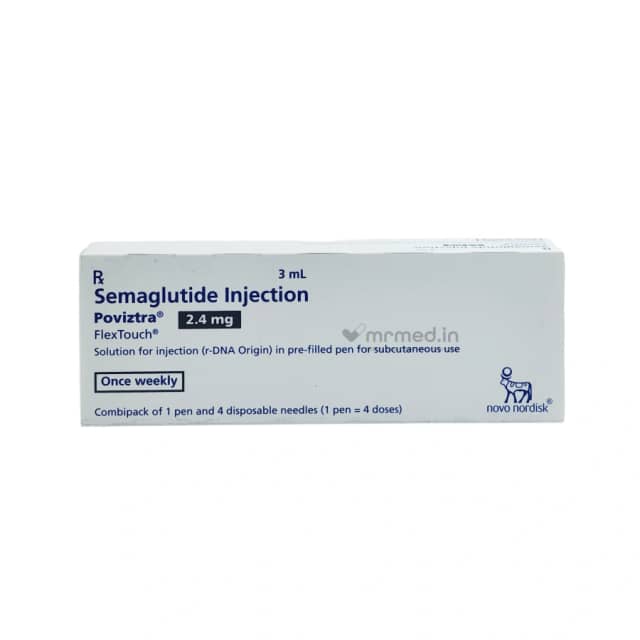
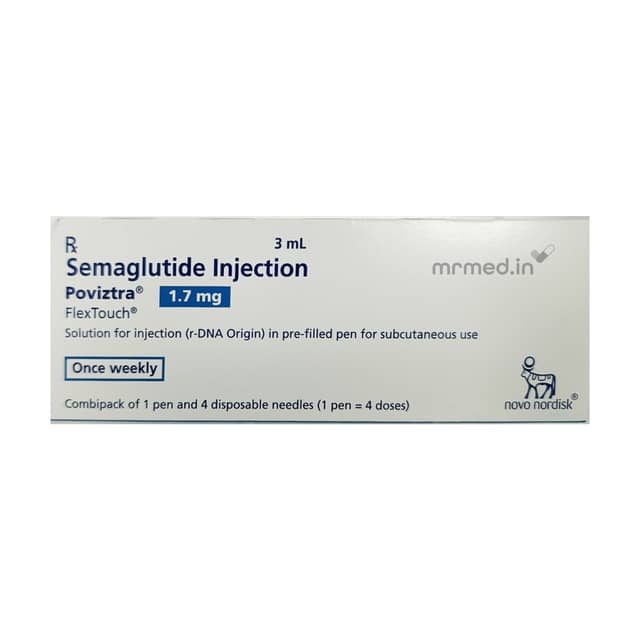
GLP-1 medicines are available in India only with a prescription. A registered doctor first checks whether the patient is suitable for this treatment. Because these medicines can be expensive and often require long-term use, affordability is a common concern, and prices vary by brand, strength, and availability, including options such as Poviztra FlexTouch.
Some people try to obtain GLP-1 medicines without medical advice, which can be risky. Doctors strongly advise against self-treatment or buying these medicines from unverified sources, as proper medical supervision is essential for safety and effectiveness.
18. How do I get a prescription in India?
In order for a registered doctor to prescribe you medications for oral semaglutide, you will need a doctor's evaluation. Self-medication is highly discouraged as it puts you at serious risk of harm.
19. Are oral GLP-1 options available?
Yes, oral GLP-1 options are available in India. The most well-known is oral semaglutide, sold under the brand name Rybelsus. While oral preparations of semaglutide do exist, there are strict guidelines on when and how these medicines must be taken for proper absorption, and not everyone responds to oral semaglutide in the same way.
20. How much do GLP-1 medicines cost in India?
Pricing for medications varies greatly depending on dosage and availability. Therefore, long-term affordability should be considered when seeking these medications.
21. Will insurance cover GLP-1 medicines?
In addition, insurance companies typically do not cover weight-loss medications and generally provide limited coverage for diabetes medications.
22. Which GLP-1 medicine is best for me?
There’s no single option that's best for everyone. Decisions based on:
Medical Condition
Tolerance to Side Effects
Financial Impact
Desired Treatment Outcomes
23. What are the differences between GLP-1 medicines?
Options can be different through:
Strength
Injection Frequency
Side Effects
Response in Relation to Weight Loss.
24. Can GLP-1 medicines be used without diabetes?
Prescription-only option for qualified candidates for the treatment of obesity/metabolic issues, but strictly with Physician supervision.
Not intended for casual aesthetic enhancement of body weight.
25. Can children or adolescents use GLP-1 medicines?
Product(s) have been approved, but due to their greater regulation, there is less availability in the marketplace, and use is restricted and monitored closely.
To use for children, it would require extra training or a special clinic
Lifestyle and Daily Use
The effectiveness of GLP-1 drugs will be increased by simple lifestyle modifications (e.g., Size of meal, drink enough fluids, eat protein). Missing the medication for a few days is usually not harmful, but regularly skipping doses may lead to lower than optimal results.
Avoid drinking alcohol; it worsens side effects and affects blood glucose levels. There is a possibility of interaction between this and other diabetes medications; therefore, dosage adjustments may be needed.
26. What diet helps while using GLP-1 medicines?
Good habits are:
Eating smaller portions
Getting enough protein
Drinking enough water
Avoiding high-fat foods
27. What happens if I miss a dose?
It's important to follow your healthcare provider's recommendations and not take double doses of your medications unless instructed by your doctor.
28. Do GLP-1 medicines interact with other drugs?
If you miss one or more doses of your medicine, its effectiveness may decrease.
Yes, even more so with diabetes medications.
29. Can I drink alcohol while on GLP-1 medicines?
Dosage adjustments may be necessary due to the use of alcohol.
Drinking alcohol in moderation may increase the risk of side effects and improve blood glucose levels.
30. How can I manage side effects?
To help reduce potential side effects of medications, you can:
Eat more slowly
Drink plenty of fluids
Increase the dose gradually.
Social and Psychological Questions
Stigma prevents many people from discussing the use of GLP-1 medications candidly. For some individuals, using GLP-1 medicines is perceived as "cheating," or they fear what others may think of them for using the GLP-1 medication.
The reality is that GLP-1 medicines treat medical conditions, including a variety of appetite changes. Many patients report that their desire to eat has significantly decreased, rather than a continuous urge to eat at all times (i.e., food cravings).
How much you choose to discuss your experience with GLP-1 medicines with other people is completely up to you. The focus should be on your overall health and why you chose to take GLP-1 medication, rather than how others feel about you using the medication.
31. Is it cheating to take GLP-1 medicines?
False. Medical treatments are not a quick way out. The responsible use of these medications can actually be beneficial to your healthcare provider.
32. How do I talk to others about taking GLP-1 medicines?
You are not required to justify your medical decisions.
You may only disclose as much about your treatment as you feel comfortable with.
33. What happens to appetite and cravings?
In most cases, many people report feeling less hungry, which leads them to eat smaller amounts.
Your cravings should decrease over time.
Final thoughts
The GLP-1 medications should not be viewed as an easy route, but as an effective option for weight loss when prescribed appropriately (i.e., with the right patient, at the appropriate dosage and expectations), not based on brand name or internet hype. In particular, for Indian patients, there are many legitimate questions about safety, access, cost, and long-term use; it is best to answer them honestly and factually.
If used properly, GLP1 medications can enhance/ improve the individual's overall health; however, if misunderstood, they could result in disappointment or harm. The difference in outcomes stems from informed decision-making vs. relying on internet trends.
Read also
References
Filippatos TD, et al. Adverse Effects of GLP-1 Receptor Agonists. Rev Diabet Stud. 2015 Feb 10;11(3):202–230. doi: 10.1900/RDS.2014.11.202
Chiang CH, et al. Glucagon-Like Peptide-1 Receptor Agonists and Gastrointestinal Adverse Events: A Systematic Review and Meta-Analysis. Gastroenterology. 2025 Nov;169(6):1268-1281. doi: 10.1053/j.gastro.2025.06.003. Epub 2025 Jun 9.
Kim J, Yoo H, Exploring the Side Effects of GLP-1 Receptor Agonist: To Ensure Its Optimal Positioning, Diabetes and Metabolism Journal (2025) 49(4) 525-541 DOI: 10.4093/dmj.2025.0242
Disclaimer: The content in this blog is for general informational purposes only and is not a substitute for professional medical advice, diagnosis, or treatment. Always consult your doctor or a registered dietitian before making any changes to your diet, especially if you have a medical condition or are taking prescribed medication. While the information is based on trusted sources, individual needs and results may vary. MrMed does not promote or endorse any specific food or treatment mentioned unless explicitly stated.














Comments