


How sitting for long hours affects your body





Last updated on 10 Apr 2026
Sitting for long hours can slow your blood flow and metabolism, and increase the risk of conditions like back pain, heart disease, and diabetes. While sitting is part of modern life, prolonged inactivity without breaks can negatively affect both your physical and mental health.
The condition progresses to critical health issues over an extended period. People can protect their health by learning about the effects of sitting on their bodies.
Key Takeaways
• Sitting for long hours slows metabolism and affects blood circulation. |

What Happens When You Sit for Long Hours?
Even though you are sitting, your body is not working as efficiently as it should. When you sit, your muscles use much less energy than when standing or walking, and your circulation decreases. The metabolism of fat and sugar is also decreased.
Your body is designed to move. Small daily changes can help protect your health in the long run. Sitting for too long without breaks can slow down normal body functions.
Effects of Prolonged Sitting on Your Body
According to studies indexed in PubMed and data from the ICMR-INDIAB study, a large proportion of Indians are physically inactive.
1. Slows Down Metabolism
Long periods of sitting can make it harder for your body to break down fat and sugar. This increases the risk of weight gain and diabetes.
2. Affects Heart Health
Sitting for extended periods has a significant impact on cardiovascular health, particularly with respect to inhibiting circulation, which can lead to an elevated risk for
Blood clots.
3. Causes Back Pain and Posture Problems'
Prolonged sitting increases the risk of developing back pain, especially with poor posture, and a slumped position increases spinal pressure, leading to poorer posture and, in turn, increased pressure on the body.
Some common problems from prolonged sitting include:
Slumped shoulders.
Neck strain.
Lower back pain.
4. Weakens Muscles
If you have a sedentary lifestyle (because of too much sitting), what happens is:
You weaken your core.
Lose strength in your legs.
Stiffen up in your hips.
Long-term inactivity can reduce muscle strength and balance.
5. Increases Risk of Lifestyle Diseases
Living a sedentary lifestyle increases the likelihood of developing:
Heart disease.
These conditions are known as sedentary lifestyle diseases.
6. Affects Mental Health
Sitting for long hours, especially while using screens, can increase stress, reduce energy levels, and affect sleep quality. Lower physical activity is also linked to a higher risk of anxiety and low mood.
7. Poor Blood Circulation
Sitting for long periods reduces blood circulation, leading to discomfort and swelling in the legs and feet.
Severe cases of prolonged sitting can increase the risk of blood clots.
Physical Symptoms of Sitting Too Much

The World Health Organisation (WHO) and the Indian public health research recommend reducing sedentary behaviour and increasing daily physical activity to prevent lifestyle diseases. Adults should aim for at least 150 minutes of moderate physical activity per week and avoid prolonged sitting.
The body often gives warning signs. Common physical symptoms of sitting too much include
• Back and neck pain,
• Stiff joints,
• Fatigue,
• Weight gain,
• Poor posture,
• Headaches.
Maximum sitting time per day
There is no strict limit, but sitting for more than 6 to 8 hours a day without regular breaks is associated with increased health risks.
Can You Die from Sitting Too Long?
Sitting itself does not directly cause death, but long-term inactivity increases the risk of serious conditions like heart disease and diabetes, which can affect life expectancy.
How to Reduce the Effects of Sitting All Day
According to Dr Randeep Guleria, former Director of AIIMS, prolonged sitting and lack of physical activity increase the risk of lifestyle diseases such as heart disease, obesity, and diabetes, and regular movement throughout the day is essential to maintain overall health.
You do not need major changes. Small, consistent habits can reduce the risks of prolonged sitting.
Simple Tips
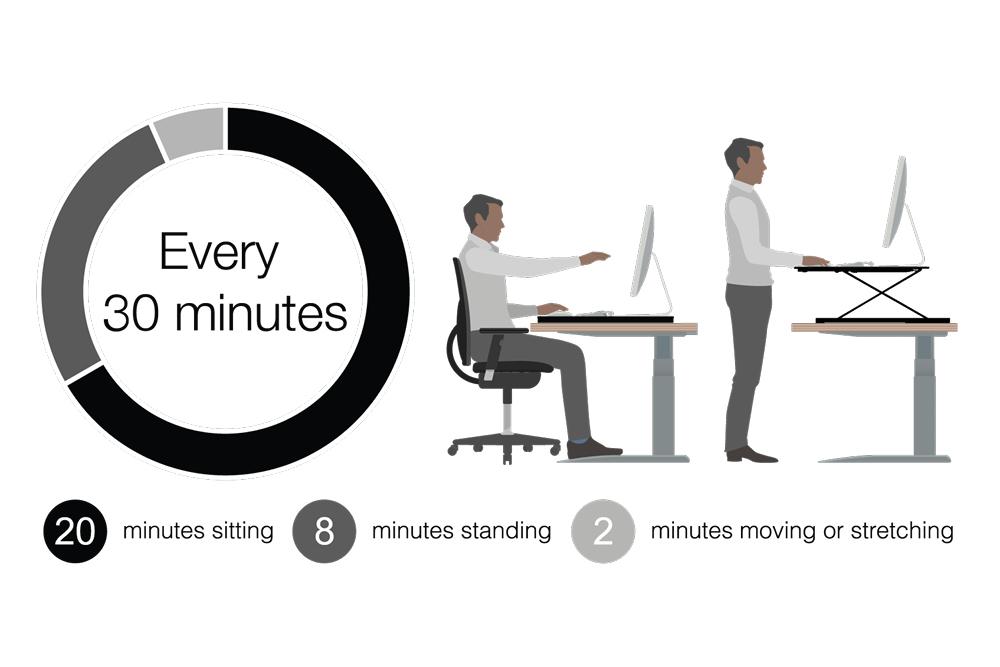
• Stand or walk every 30 to 60 minutes.
• Use a standing desk if possible.
• Stretch your body regularly.
• Maintain proper posture.
• Keep your screen at eye level.
• Stay physically active outside work.
The 90-90-90 Rule for Sitting
The 90-90-90 rule for sitting helps maintain good posture:
• Keep knees at 90 degrees.
• Keep hips at 90 degrees.
• Keep elbows at 90 degrees.
This position helps maintain proper posture and reduces strain on your joints and spine.
Best Sitting Posture to Reduce Back Pain
Good posture reduces pressure on your spine and prevents pain during long sitting hours. Small adjustments can make a big difference.
• Sit with your back straight and shoulders relaxed, not slouched.
• Keep your feet flat on the floor, not hanging or crossed.
• Use a chair that supports your lower back, or place a small cushion behind it.
• Keep your screen at eye level to avoid bending your neck.
• Avoid sitting in the same position for too long.
FAQs
1. What Happens to Your Body When You Sit Too Long
Sitting for long hours reduces blood flow, slows metabolism, and weakens muscles. Over time, it increases the risk of back pain, weight gain, and lifestyle diseases.
2. What is the 90-90-90 rule for sitting?
It means keeping your knees, hips, and elbows at 90-degree angles while sitting to maintain proper posture and reduce strain.
3. How does prolonged sitting affect the body?
It affects blood circulation, weakens muscles, slows metabolism, and increases the risk of heart disease and diabetes.
4. Is sitting for 4 hours a day bad?
Sitting for 4 hours is generally safe if you take breaks. The problem starts when sitting continues for long hours without movement.
5. How often should I take breaks from sitting?
You should take a short break every 30 to 60 minutes. Stand up, stretch, or walk for a few minutes to keep your body active.
6. Does exercise cancel out long hours of sitting?
Exercise helps, but it does not completely counteract the effects of long hours of sitting. Regular movement throughout the day is still important.
7. What is the best sitting posture for long hours?
Sit with your back straight, feet flat on the floor, and screen at eye level. Keep your shoulders relaxed to avoid strain.
Final Thoughts
Sitting for long hours is part of modern life, but your body is not designed to stay inactive for long periods. Simple habits like moving regularly, stretching, and maintaining proper posture can help protect your health over time. Your body is designed to move, not stay still for long periods. Making small changes in your daily routine can protect your health in the long run.

Read Also
Refereces
World Health Organisation. WHO guidelines on physical activity and sedentary behaviour. Geneva: WHO; 2020. Available from:https://www.who.int/publications/i/item/9789240015128.
Verma M, et al. Insights from the ICMR-INDIAB Study on physical activity patterns in India. Available from: https://pubmed.ncbi.nlm.nih.gov/40358896/.
Mohanty S, et al. Prevalence, patterns, and predictors of physical inactivity in India. PMC. 2022. Available from: https://pmc.ncbi.nlm.nih.gov/articles/PMC9337780/.
Disclaimer:
This article is for general informational purposes only and is not a substitute for medical advice. The effects of prolonged sitting can vary from person to person. If you experience persistent back pain, neck pain, joint pain, numbness, or any other health issues, consult a qualified healthcare professional. Always seek medical guidance before making changes to your routine.

















Comments