


137 Anti-Cancer Drugs Face Price Caps in India: What Patients Need to Know





Last updated on 03 Nov 2026
A cancer diagnosis can bring difficult decisions, and the cost of treatment is often one of the biggest concerns for patients and families. Alongside consultations, tests and hospital visits, the cost of medicines can put pressure on household budgets, particularly when treatment continues over time.
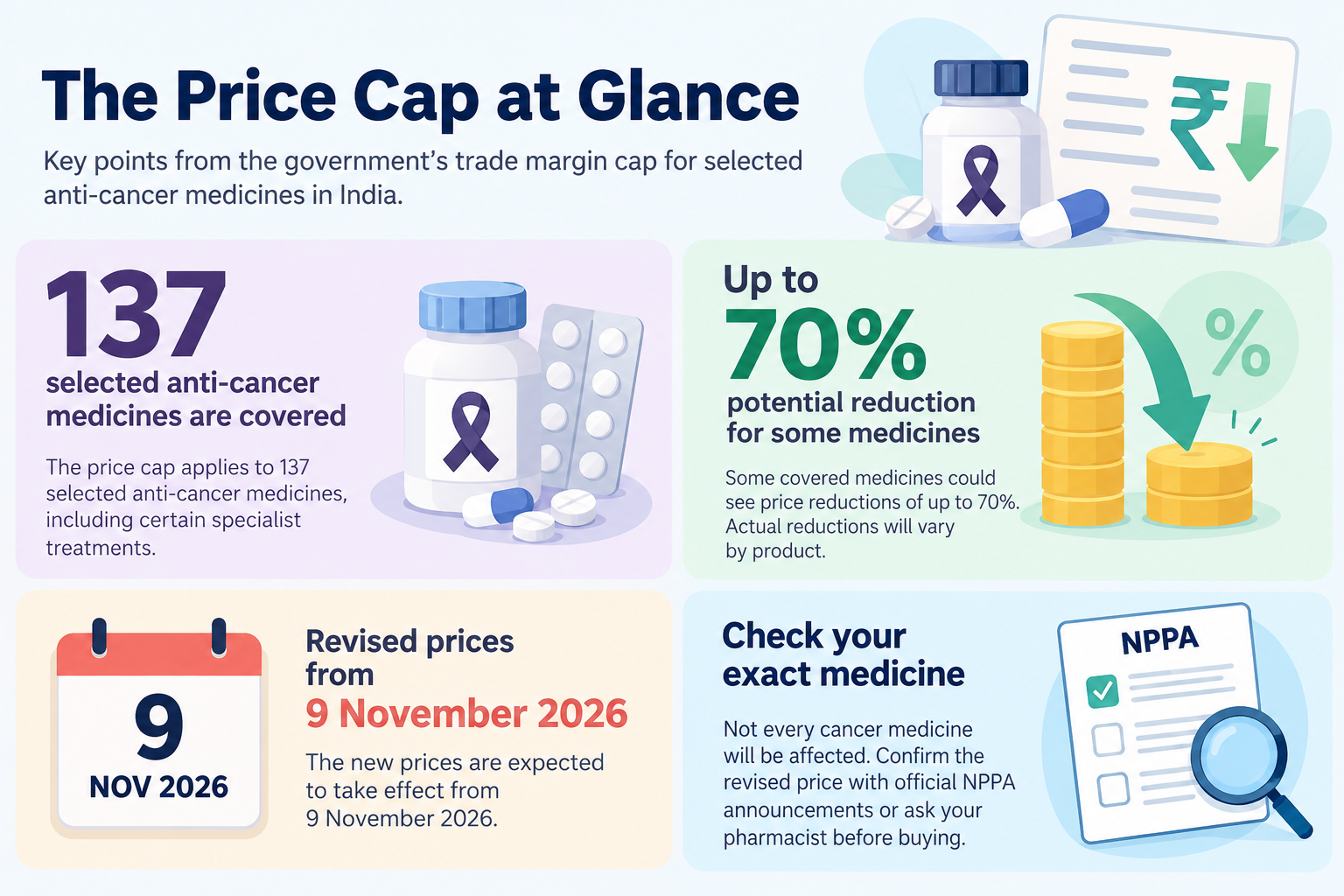
The Indian government has announced a trade margin cap for 137 selected anti-cancer medicines. The measure aims to make certain medicines more affordable, with revised prices scheduled to take effect from 9 November 2026. NPPA Revised MRP List of Non-Scheduled Anti-Cancer Drugs
Key Takeaways
|
Why Medicine Affordability Matters
Cancer care affects the whole family. While patients focus on treatment, caregivers may coordinate appointments, prescriptions, transport and expenses. For many households, the financial strain builds over time.
The cancer treatment cost in India varies by cancer type, stage and treatment plan. Government estimates recorded 14,61,427 cancer cases in India in 2022. Reducing medicine prices may ease part of the burden, but patients need to know which products are covered.
What Has Changed in Cancer Medicine Pricing?
The government has capped trade margins for 137 selected anti-cancer medicines at 30% of the maximum retail price (MRP), aiming to limit mark-ups across the supply chain. According to the government's announcement on cancer medicine pricing, some covered medicines could see reductions of up to 70%. This is not guaranteed for every product. The revised prices are scheduled to take effect from 9 November 2026. The policy applies to selected products, so patients should confirm the revised MRP rather than assume every cancer medicine will become cheaper.
Which Medicines Are Covered, and What Could Change?
The measure covers selected cancer medicines, including certain specialist treatments. Patients researching anti-cancer medicines should verify the exact medicine name, strength, formulation and pack size against official information.
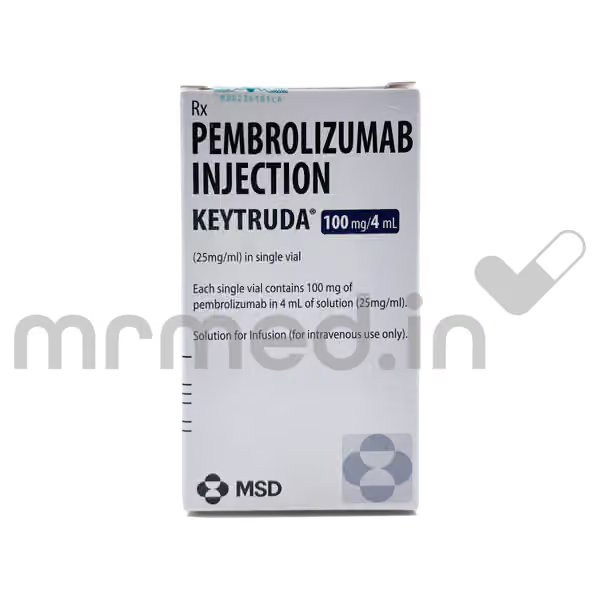
People searching for the Keytruda price in India or pembrolizumab price in India, for example, should check the latest official information for the specific product rather than rely on estimates. The same applies to the nivolumab price in India and Opdivo price in India. A general policy announcement does not confirm a revised price for every brand.
The measure may affect some cancer immunotherapy drug prices in India, but the impact depends on the prescribed medicine and the wider care plan. Patients can also explore MrMed's guide to cancer medicines and treatment options for related educational information. Treatment should never be changed without medical advice.
How Can Patients Check Medicine Prices?
When treatment is expensive, it is understandable that patients and caregivers want to compare prices. A few simple checks can help:
Check official information: Consult the National Pharmaceutical Pricing Authority (NPPA) for relevant pricing notifications.
Match the prescription: Confirm the brand, strength, formulation and pack size before comparing prices.
Ask the pharmacy: Check the current MRP and whether the revised price applies to your medicine.
Discuss affordability: Speak to your healthcare team about available assistance options. Never substitute a prescribed medicine without medical advice.
For an anti-cancer medicine price list India or cancer medicine price list India, use official notifications where possible. Patients can also read MrMed's guide to buying cancer medicines safely online.
Will Cancer Treatment Become More Affordable?
The policy may reduce the cost of certain covered medicines, but it will not remove every expense associated with cancer care. Patients may still need to pay for consultations, investigations, procedures, hospital services, travel and supportive medicines.
For people seeking affordable cancer treatment in India, checking medicine prices and exploring legitimate patient-support options can help. However, lower medicine prices cannot guarantee the same savings for every patient or a reduction in their overall treatment costs.
How MrMed Supports Patients and Caregivers
MrMed provides access to speciality and super-speciality medicines, including medicines used in cancer care. Eligible patients may also be able to access Patient Assistance Programmes (PAPs), subject to each programme's criteria and availability.
Patients and caregivers can learn more about MrMed's services and confirm whether any assistance programme is suitable for their circumstances.
Conclusion
The trade margin cap for selected anti-cancer medicines is an important affordability measure, with revised prices scheduled from 9 November 2026. The benefit will depend on the specific medicine covered and its revised price. Patients should verify official information, confirm prices with their pharmacy and continue following their clinician's advice.
FAQs
Q1. What is a trade margin and why was it capped?
A trade margin is the margin earned within the supply chain when a product moves towards retail sale. The cap is intended to limit mark-ups on selected anti-cancer medicines and improve affordability. These measures form part of the wider government rules on cancer medicine prices.
Q2. How much will prices drop?
Some covered medicines could see reductions of up to 70%, but this is not guaranteed for every product. The actual price change depends on the medicine and its existing price.
Q3. When will new cancer drug prices take effect?
Revised prices are scheduled to take effect from 9 November 2026. Check the applicable official information for your medicine.
Q4.Which types of medicines and cancers are covered?
The measure applies to 137 selected anti-cancer medicines, not every medicine used in cancer care. Check the official list to confirm whether a specific product is included.
Q5. What does the cancer drug price cap India announcement mean for patients?
The cancer drug price cap India announcement may lower the prices of selected products. The 137 cancer drugs price cut is not a uniform discount across all medicines, and actual savings will vary.
Q6. How can I check cancer drug prices in India?
To understand how to check cancer medicine prices in India, consult NPPA notices and confirm the brand, strength, formulation and pack size with your pharmacy. The NPPA cancer drug price list and official notifications are useful starting points.
Q7. Will cancer immunotherapy cost less?
Some covered medicines used in immunotherapy may become less expensive. However, cancer immunotherapy cost in India depends on the medicine and other treatment-related expenses.
Q8. Will the Keytruda, pembrolizumab, nivolumab or Opdivo price in India change?
Patients checking the Keytruda price in India, pembrolizumab price in India, nivolumab price in India or Opdivo price in India should verify the official revised price for the exact product.
Q9. How much will cancer drugs cost after price cut?
The answer to how much will cancer drugs cost after price cut depends on whether the medicine is covered and its revised MRP. The terms anti-cancer drugs price reduction and cancer drug price reduction 2026 describe the policy discussion, not a guaranteed saving for every patient.
Q10. What are manufacturers and hospitals required to do now?
They must follow the applicable government pricing requirements for products covered by the measure. Patients can check official updates for details relevant to their medicine.
Q11. Will cancer treatment become cheaper in India?
The policy may reduce the price of some covered medicines, but total treatment costs will still depend on consultations, tests, hospital care and each patient's treatment plan.
Also Read
References
https://www.pib.gov.in/PressReleasePage.aspx?PRID=2324743&lang=1®=3
https://www.pib.gov.in/PressReleseDetailm.aspx?PRID=2321092&lang=1®=3
https://www.pib.gov.in/PressReleasePage.aspx?PRID=1943656&lang=2®=3
Disclaimer: This article is for general information only and is not a substitute for medical advice. Consult your healthcare team before making decisions about cancer treatment.














Comments