

Top 10 Cancer Targeted Therapy & Immunotherapy Drugs in India





Last updated on 28 Sep 2026
Cancer treatment has changed considerably over the years. For many patients, treatment is no longer limited to chemotherapy, surgery or radiation. Depending on the type and stage of cancer, doctors may also recommend medicines designed to act on a specific cancer-related target or help the immune system recognise and attack cancer cells.
Cancer remains a significant health concern in India. An estimate from the National Cancer Registry Programme (NCRP)reported 14,61,427 new cancer cases in India in 2022, with a crude incidence rate of 100.4 per 100,000 people. The study also estimated that one in nine people in India could develop cancer during their lifetime.
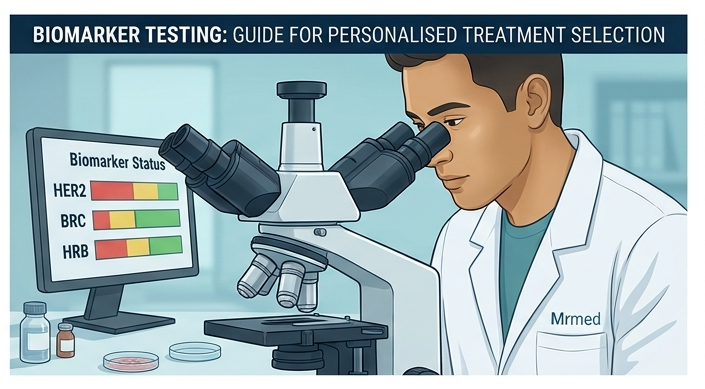
Targeted therapy and immunotherapy have opened new possibilities in cancer care, but they are not suitable for every patient. The right medicine depends on the cancer type, stage, biomarkers, previous treatment, overall health and several other individual factors. Biomarker testing can help oncologists identify whether a cancer has features that may respond to a particular targeted therapy or immunotherapy.
Key Takeaways
|
What Are Targeted Therapy and Immunotherapy?
It is understandable to hear the words “targeted therapy” and “immunotherapy” together and assume they mean the same thing. They do not.
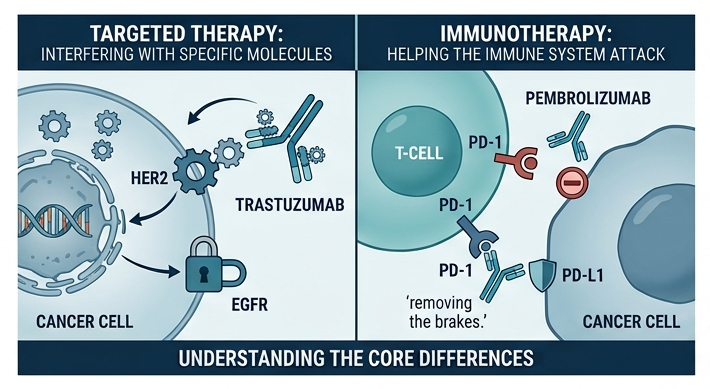
Targeted therapy is designed to interfere with specific proteins or molecular pathways that help cancer cells grow, divide or spread. Some targeted medicines are small molecules taken orally, while others are monoclonal antibodies given by injection or infusion.
Immunotherapy, on the other hand, helps the immune system recognise or attack cancer. One important group is immune checkpoint inhibitors. These medicines interfere with immune “brakes” that cancer cells can use to avoid immune attack. Pembrolizumab and nivolumab are examples of checkpoint inhibitors.
As Dr James Gulley, M.D., Ph.D., Clinical Director, National Cancer Institute, explains, checkpoint inhibitors are not directly attacking the tumour. Their role is to remove the brakes from an existing immune response against cancer. That is also why these medicines don't work equally well for everyone.
For a patient, the important point is not simply whether a medicine is called targeted therapy or immunotherapy. What matters is whether the treatment matches the cancer's biology and has a reasonable, evidence-based role in that individual's care.
10 Commonly Used Targeted Therapy and Immunotherapy Drugs in India
1. Trastuzumab
Category: Targeted therapy. Commonly associated with: HER2-positive breast cancer and some HER2-positive gastric or gastro-oesophageal cancers.
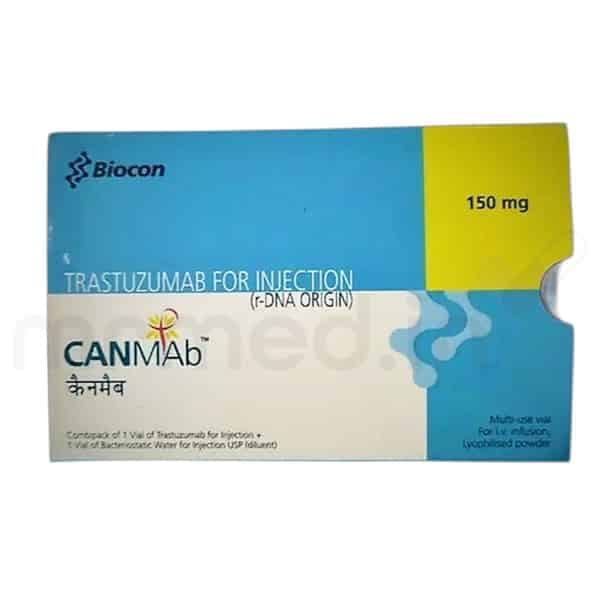
Trastuzumab is a monoclonal antibody, a type of medicine designed to recognise and attach to a specific protein. It targets HER2, a protein that can be present at abnormally high levels on certain cancer cells. By binding to HER2, trastuzumab interferes with signals that encourage cancer cells to grow.
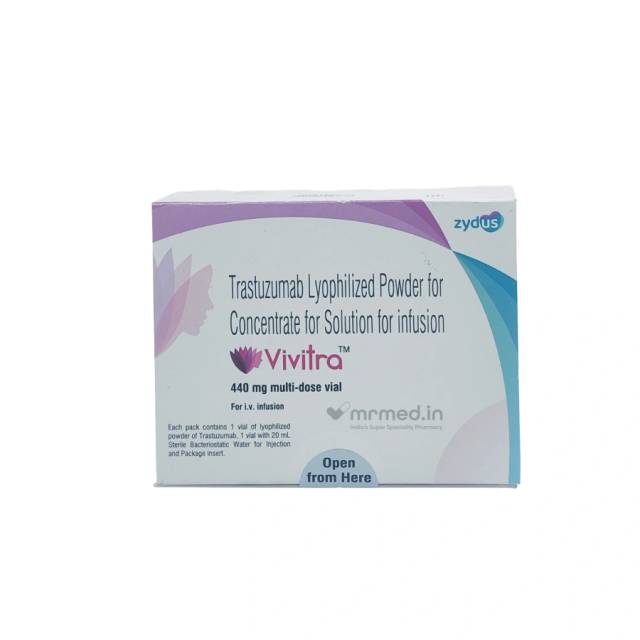
It is not a medicine that should be used simply because someone has breast cancer. In India, biosimilar versions of trastuzumab are also available. Vivitra, for example, is a biosimilar trastuzumab product.
Biosimilars are highly similar versions of biological medicines that are designed to provide comparable treatment effects.
What does the evidence show?
The landmark HERA study helped establish the benefit of trastuzumab as adjuvant treatment in HER2-positive early breast cancer, demonstrating improved disease-free survival with trastuzumab compared with observation after initial treatment.
For patients and families, biosimilars have also become important because biologic cancer medicines can be expensive.
2. Pembrolizumab (Keytruda)
Category: Immunotherapy Type: PD-1 (programmed cell death protein 1) immune checkpoint inhibitor
Pembrolizumab works by blocking PD-1, a protein that normally helps control the immune system. Cancer cells can use this pathway to reduce the immune system's ability to attack them. By blocking PD-1, pembrolizumab can help T cells, a type of immune cell, recognise and attack cancer cells more effectively.
Pembrolizumab is used across several cancer types, including certain lung cancers, melanomas, head and neck cancers and other tumours, depending on the indication and biomarker profile.
A key development was the KEYNOTE-001 study in advanced melanoma, which showed meaningful tumour responses and helped establish pembrolizumab as an important checkpoint inhibitor. Subsequent research expanded its use into several other cancers.
3. Bevacizumab (Avastin)
Category: Targeted therapy
Target: VEGF (vascular endothelial growth factor) pathway
Cancer cells need a blood supply to continue growing. Bevacizumab targets vascular endothelial growth factor (VEGF), a protein that helps the body form new blood vessels. By blocking VEGF, bevacizumab can reduce the formation of new blood vessels that supply tumours. It is used in several cancers, including selected colorectal, lung, ovarian and other cancers, depending on the indication.
Bevacizumab is marketed as Avastin, and other products are also available in India. Importantly, having a particular type of cancer does not automatically mean bevacizumab will be prescribed. The oncologist considers the cancer subtype, stage, previous treatment and the evidence for its use in that specific setting.
4. Olaparib (Lynparza)
Category: Targeted therapy
Type: PARP (poly [ADP-ribose] polymerase) inhibitor
Olaparib belongs to a group of medicines called PARP inhibitors. PARP enzymes help cells repair damaged DNA. By blocking these enzymes, olaparib interferes with the cancer cell's ability to repair DNA damage.
This becomes particularly relevant in cancers with problems in other DNA repair pathways, such as those involving BRCA1 or BRCA2 mutations.
Olaparib is used in selected breast, ovarian, pancreatic and prostate cancer settings, depending on the patient's disease characteristics and treatment history.
5. Gefitinib and Erlotinib
Category: Targeted therapy
Target: EGFR (epidermal growth factor receptor)
Gefitinib and erlotinib are EGFR tyrosine kinase inhibitors (TKIs). They block EGFR signals that can drive cancer cell growth. They are particularly relevant in certain patients with non-small-cell lung cancer whose tumours carry activating EGFR mutations. Instead of broadly attacking rapidly dividing cells, these medicines interfere with a specific growth signal that drives cancer cells.
This is why molecular testing matters. If a lung tumour does not have the relevant EGFR alteration, these medicines may not provide the same benefit. Treatment decisions have also evolved considerably as newer EGFR-targeted medicines have become available. The choice of therapy depends on the specific mutation, cancer stage, previous treatment and current clinical guidelines.
6. Atezolizumab (Tecentriq)
Category: Immunotherapy
Type: PD-L1 (programmed death-ligand 1) immune checkpoint inhibitor
Atezolizumab blocks PD-L1, a protein that can reduce the immune system's ability to attack cancer cells. By blocking PD-L1, atezolizumab can help immune cells recognise and respond to cancer cells. It has been used in selected patients with cancers including lung, liver, bladder and breast cancer, depending on the specific indication and biomarker profile.
Atezolizumab illustrates an important difference between immunotherapy and conventional chemotherapy. Rather than directly killing cancer cells, checkpoint immunotherapy helps the immune system respond to cancer.
7. Rituximab
Category: Targeted therapy / monoclonal antibody
Target: CD20
Rituximab targets CD20, a protein found on the surface of many B cells, a type of white blood cell. It is widely used in selected blood cancers, including certain types of non-Hodgkin lymphoma and chronic lymphocytic leukaemia. By binding to CD20, rituximab helps the immune system recognise and destroy the targeted B cells.
Rituximab also demonstrates why the boundary between targeted therapy and immunotherapy can sometimes appear blurred. Monoclonal antibodies are targeted because they bind to a specific molecule, but some of their cancer-killing effects involve the patient's immune system.
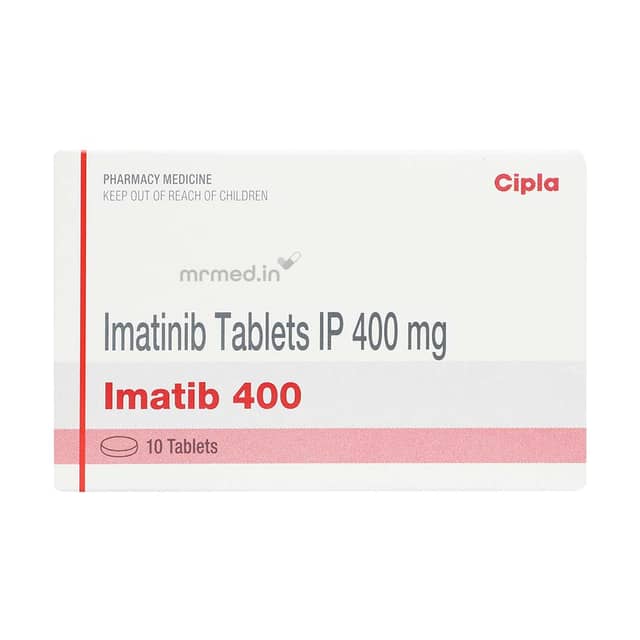
8. Imatinib
Category: Targeted therapy
Targets: Specific abnormal proteins
Imatinib is one of the medicines that helped establish the importance of precision treatment, where therapy is selected based on specific features of a cancer. It is particularly well known for treating chronic myeloid leukaemia (CML), where many patients have an abnormal BCR-ABL protein produced by the Philadelphia chromosome.
Imatinib blocks signals from this abnormal protein, reducing cancer cell growth and survival.
It is also used in selected patients with gastrointestinal stromal tumours and other cancers with specific molecular abnormalities.
The story of Imatinib reminds us that targeted therapy is not simply about finding a “stronger” cancer medicine. It is about finding a treatment that matches the molecular driver (the specific abnormal change that helps the cancer grow).
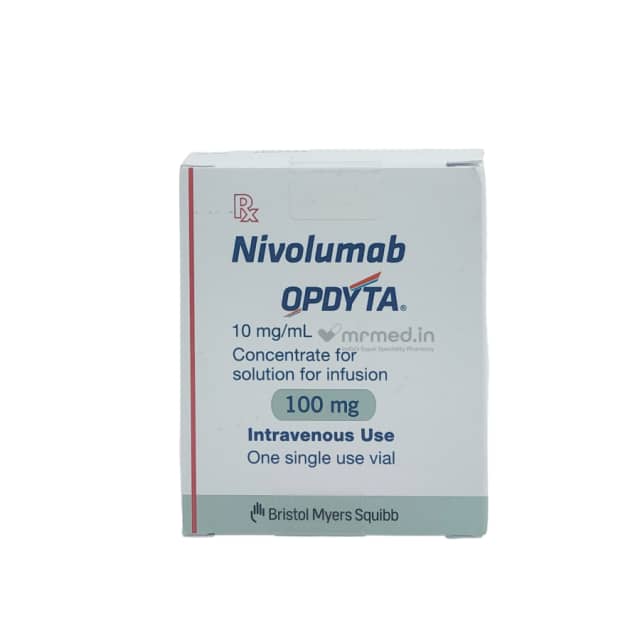
9. Nivolumab
Category: Immunotherapy
Type: PD-1 (programmed cell death protein 1) immune checkpoint inhibitor
Nivolumab is another immune checkpoint inhibitor that targets PD-1, a protein that helps regulate immune responses. It has been used in several cancers, including selected lung, kidney, melanoma, head and neck and other cancers. Its use depends on the cancer type, stage, previous treatment and applicable biomarkers or clinical criteria.
Like pembrolizumab, nivolumab helps immune cells respond to cancer rather than directly attacking rapidly dividing cells. Immunotherapy effectiveness can vary considerably between patients. This is why doctors may use biomarker testing, imaging, clinical examination, and other assessments to decide whether to start or continue treatment.
10. Cetuximab
Category: Targeted therapy
Target: EGFR (Epidermal growth factor receptor)
Cetuximab is a monoclonal antibody that targets EGFR, a protein involved in signals that can promote cancer cell growth. It is used in selected colorectal and head and neck cancers. In colorectal cancer, molecular testing is particularly important.
Targeted Therapy vs Immunotherapy:
The simplest way to understand the difference is to consider what each treatment is trying to influence. Neither approach is automatically “better”. The right treatment is the one supported by evidence for the specific cancer and patient.
Feature | Targeted therapy | Immunotherapy |
Main approach | Acts on specific cancer-related molecules or pathways | Helps the immune system recognise and fight cancer |
Examples | Trastuzumab, imatinib, olaparib, cetuximab | Pembrolizumab, nivolumab, atezolizumab |
Biomarkers | Often important for treatment selection | May also be important depending on the medicine and cancer |
How it is given | Oral medicines or IV/injectable medicines | Often IV, depending on the treatment |
Response | Depends on the cancer target and tumor biology | Depends on the immune response and tumour characteristics |
Can Targeted Therapy and Immunotherapy Be Given Together?
Yes, in some situations. Targeted therapy and immunotherapy can be combined when clinical evidence supports the combination for a particular cancer. Researchers continue to study combinations because cancer can use several different mechanisms to grow and evade treatment.
However, combining two cancer medicines does not automatically make treatment more effective. It can also increase the risk of side effects, interactions and treatment-related complications. The decision depends on the cancer type, biomarkers, treatment line, previous therapies and the patient's overall condition.
Why Are Trastuzumab, Pembrolizumab and Bevacizumab So Widely Discussed?
These medicines are frequently discussed because they represent three important approaches to modern oncology.
Trastuzumab targets HER2 and has an established role in HER2-positive cancers. Pembrolizumab is a PD-1 checkpoint inhibitor used across a growing range of cancer indications. Bevacizumab targets VEGF and interferes with tumour blood-vessel formation.
Their clinical use across different cancer settings, the high cost of some biologic medicines, and growing interest in personalised cancer treatment all contribute to public and patient interest.
What Should Patients Remember?
Hearing about newer cancer medicines can bring hope, but it can also create another worry: Which one is right for me?
No single targeted therapy or immunotherapy works for every cancer. A medicine that has produced excellent results in one type of tumour may not work in another. Even among people with the same cancer, differences in biomarkers and previous treatment can change the choice.
That is why treatment usually begins with understanding the cancer itself, including its stage and relevant molecular or immune markers. Biomarker testing can help oncologists identify treatments that are more likely to work for a particular tumour. For patients and families, this can make the treatment journey feel less like choosing between a long list of medicines and more like finding the option that fits the individual cancer.
FAQs
Q1. How Do Biosimilars Such as Vivitra and Hervycta Help With Cancer Treatment Costs?
Biosimilars provide additional treatment options that are highly similar to an already approved biological product. Vivitra is a trastuzumab biosimilar. Biosimilars can increase competition and may help reduce treatment costs, although the actual price difference depends on the product, strength, hospital, pharmacy, and current market conditions.
Q2. Does targeted therapy include immunotherapy?
Not always. Targeted therapy and immunotherapy are generally considered different treatment approaches. However, some medicines, particularly monoclonal antibodies, can have characteristics that overlap between the two categories.
Q3. Which is more expensive, immunotherapy or targeted therapy?
Immunotherapy is often more expensive per treatment cycle, but not always. Cost depends on the specific medicine, dose, treatment schedule, duration, brand or biosimilar, and hospital-related expenses. Some targeted therapies can also be very expensive, while some immunotherapies can also cost several lakhs per cycle.
Q4. Which is better, targeted therapy or immunotherapy?
There is no universally better option. Doctors choose a treatment based on the cancer type, stage, biomarkers, previous treatment, and the patient's overall health. In some cancers, targeted therapy may be preferred. In others, immunotherapy may be appropriate, and some patients may receive a combination.
Q5. How much do targeted therapy and immunotherapy cost in India?
Targeted therapy can cost from a few thousand rupees to over ₹1 lakh per month or treatment cycle, depending on the medicine. Immunotherapy commonly costs around ₹1.2–₹2.1 lakh per cycle for medicines such as nivolumab, atezolizumab and pembrolizumab, based on published Indian data. The final cost depends on the medicine, dose, treatment duration and available assistance programmes.
Q6. What is the difference between targeted therapy and immunotherapy?
Targeted therapy acts on specific molecules or pathways that cancer cells use for growth and survival. Immunotherapy helps the immune system recognise and attack cancer cells. Some treatments may involve both direct targeting and immune-mediated effects.
Read Also
References
National Cancer Institute. Targeted therapy to treat cancer [Internet]. Bethesda (MD): National Cancer Institute; 2022 May 31 [cited 2026 Sep 8]. Available from: https://www.cancer.gov/about-cancer/treatment/types/targeted-therapies
Sathishkumar K, Chaturvedi M, Das P, Stephen S, Mathur P. Cancer incidence estimates for 2022 & projection for 2025: result from National Cancer Registry Programme, India. Indian J Med Res. 2022 Oct-Nov;156(4-5):598-607. doi:10.4103/ijmr.ijmr_1821_22. https://pubmed.ncbi.nlm.nih.gov/36510887/
International Agency for Research on Cancer. India: Global Cancer Observatory Cancer Today, 2024 estimates [Internet]. Lyon: International Agency for Research on Cancer; 2026 [cited 2026 Sep 8]. Available from: https://gco.iarc.who.int/media/globocan/factsheets/populations/356-india-fact-sheet.pdf
Zydus Lifesciences. Vivitra (trastuzumab): about Vivitra [Internet]. Ahmedabad: Zydus Lifesciences; [cited 2026 Sep 8]. Available from: https://vivitra.in/about_vivitra_trastuzumab.html
Disclaimer: This article is for general informational purposes and is not a substitute for medical advice, diagnosis or treatment. Targeted therapy and immunotherapy are prescription treatments and should only be used under the guidance of a qualified oncologist.
















Comments