

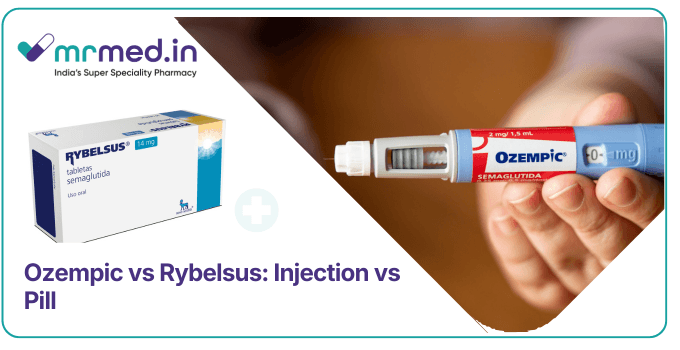
Ozempic vs Rybelsus: Injection vs Pill





Last updated on 20 Aug 2026
There are two products with the same active ingredient, and the question that a growing number of patients with type 2 diabetes or those who want to lose weight have been asking their doctor is whether they should be taking the injectable drug or the one in tablet form.
Both of these medications contain semaglutide and are glucagon-like peptide-1 (GLP-1) receptor agonists, meaning that they can lower blood sugar levels, decrease appetite, and help with weight loss. However, the way in which they enter the body, their effectiveness, their costs, and their clinical research results all differ.
In this blog post, we will analyze the differences between Ozempic and Rybelsus thoroughly and in an understandable fashion.
Key Takeaways
|
What Is Semaglutide? Understanding the Shared Core
The context for this comparison is significant. By 2024, approximately 26.5 per cent of US adults with diagnosed diabetes were using a GLP-1 injectable medication, making this class of drugs one of the fastest-adopted treatments in the history of modern endocrinology, and making the Ozempic vs Rybelsus question one that millions of patients and doctors are navigating simultaneously.
Before we can start comparing the two drugs, we first need to understand exactly how semaglutide works in the body.
Semaglutide is a man-made version of GLP-1, which is a hormone released by the intestines after eating. GLP-1 stimulates the pancreas to secrete insulin in response to sugar, slows the speed with which food leaves the gut, and sends signals to the brain that reduce appetite. Semaglutide imitates and prolongs all three processes much more effectively than GLP-1.
As a result, less sugar spikes in the blood after eating. You feel satiated faster and for longer. At the same time, the amount of food consumed decreases, body weight decreases, and the HbA1c level improves. This mechanism is used in both medications, Ozempic (semaglutide injection) and Rybelsus (semaglutide tablet).
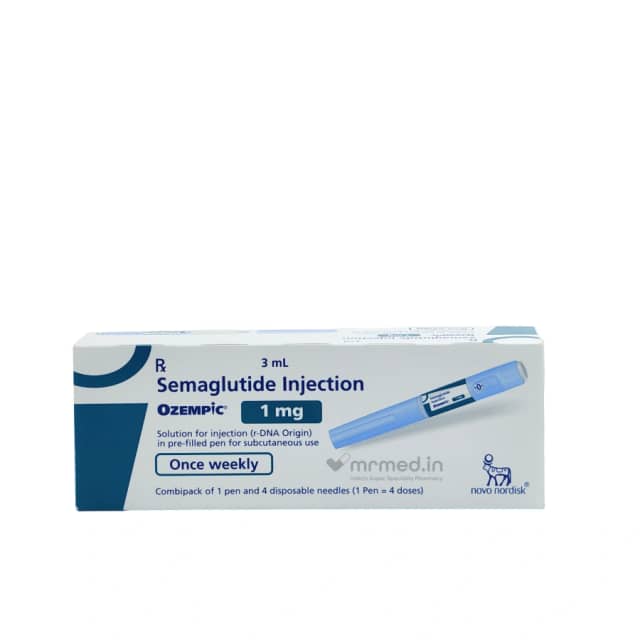
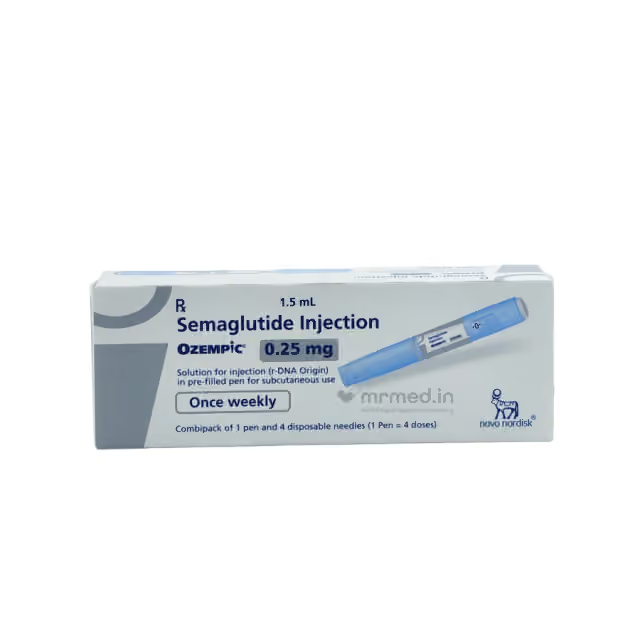
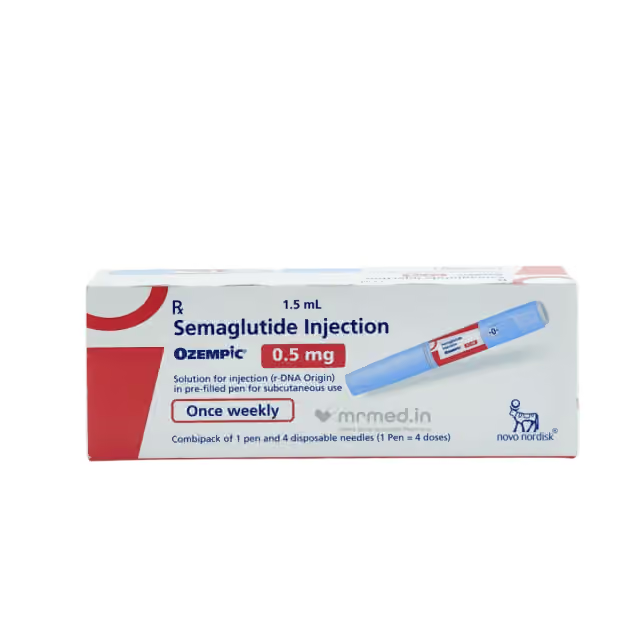
Ozempic Semaglutide Injection: How It Works
The injection of semaglutide takes place once every week. This medication must be injected into the skin making use of a small needle and a pre-filled injection device. The amount of drug is initiated at a low dose, which is 0.25 mg in the first four weeks. Then it is continued at 0.5 mg weekly. The dosage can be further increased to 1 mg or 2 mg when necessary.
Ozempic was approved by the FDA in 2017 for the treatment of Type 2 diabetes. It was further approved for cardiovascular risks in 2020. In India, it is available in the branded form, as there are currently no generic alternatives.
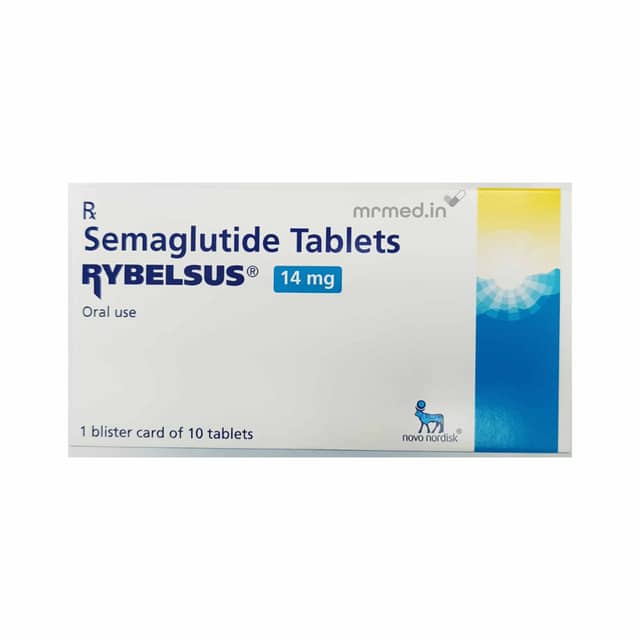
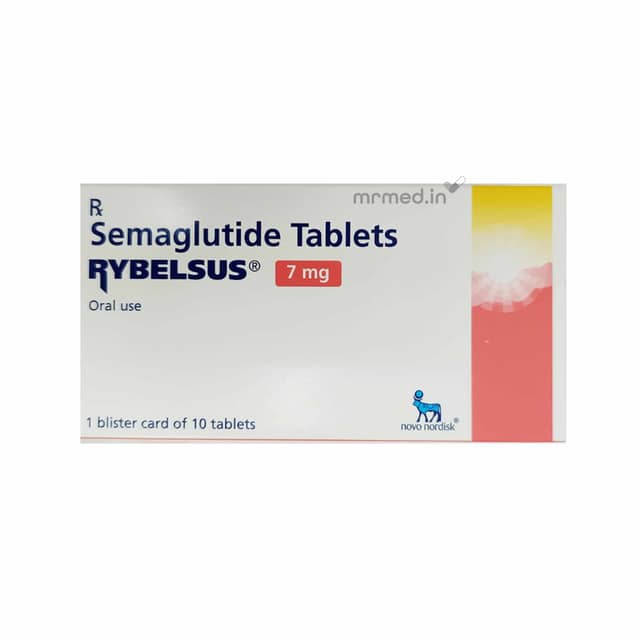
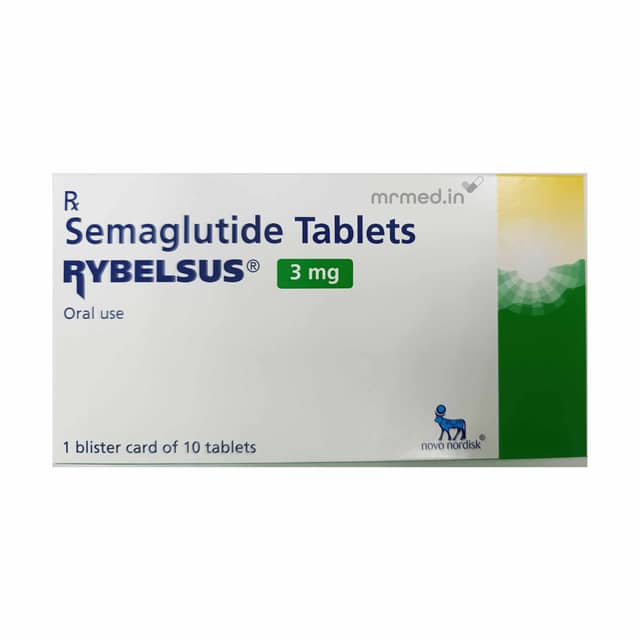
Rybelsus Semaglutide Tablets: How They Work
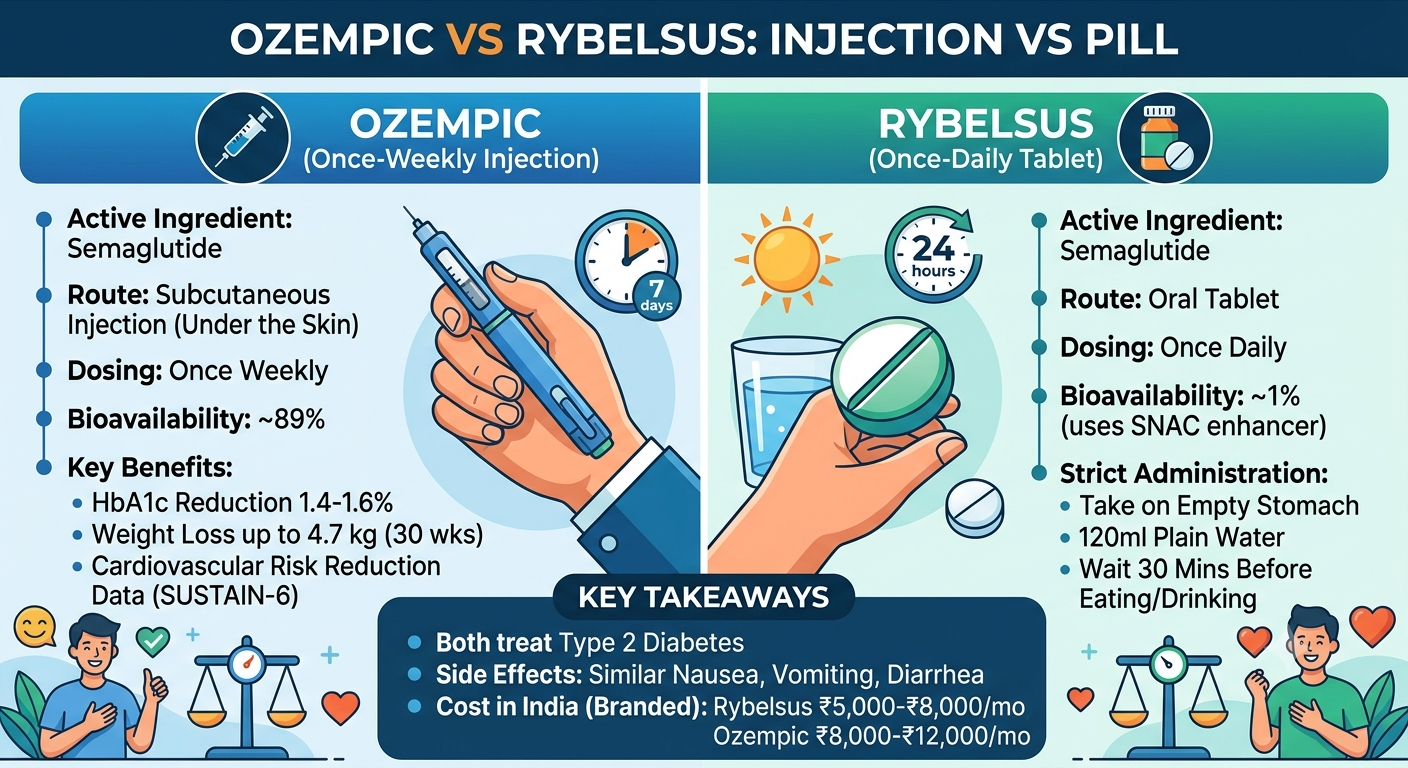
The process of Rybelsus semaglutide tablets is complicated. While semaglutide is a protein that gets digested before being able to absorb the medicine in the form of a tablet, Rybelsus overcomes this hurdle by using an absorption enhancer called SNAC (sodium N-[8-(2-hydroxybenzoyl) amino] caprylate). It helps increase the pH around the tablet as it dissolves in the stomach and opens the point of entry for absorption at the same time.
This works, but it is sensitive. Oral semaglutide's bioavailability is approximately 1 per cent, meaning only a small fraction of the dose reaches the bloodstream. This is why Rybelsus doses look very different from Ozempic doses numerically, even though the therapeutic effect is comparable. The absorptive mechanism also explains the strict administration requirements:
Take on an empty stomach first thing in the morning
Use only 120 ml of plain water, no other liquid
Wait at least 30 minutes before eating, drinking anything else, or taking other medications
Do not crush, split, or chew the tablet
Deviation from these instructions meaningfully reduces absorption. This is one of the most important practical distinctions in the oral semaglutide vs injectable semaglutide comparison.
Ozempic vs Rybelsus: A Head-to-Head Comparison
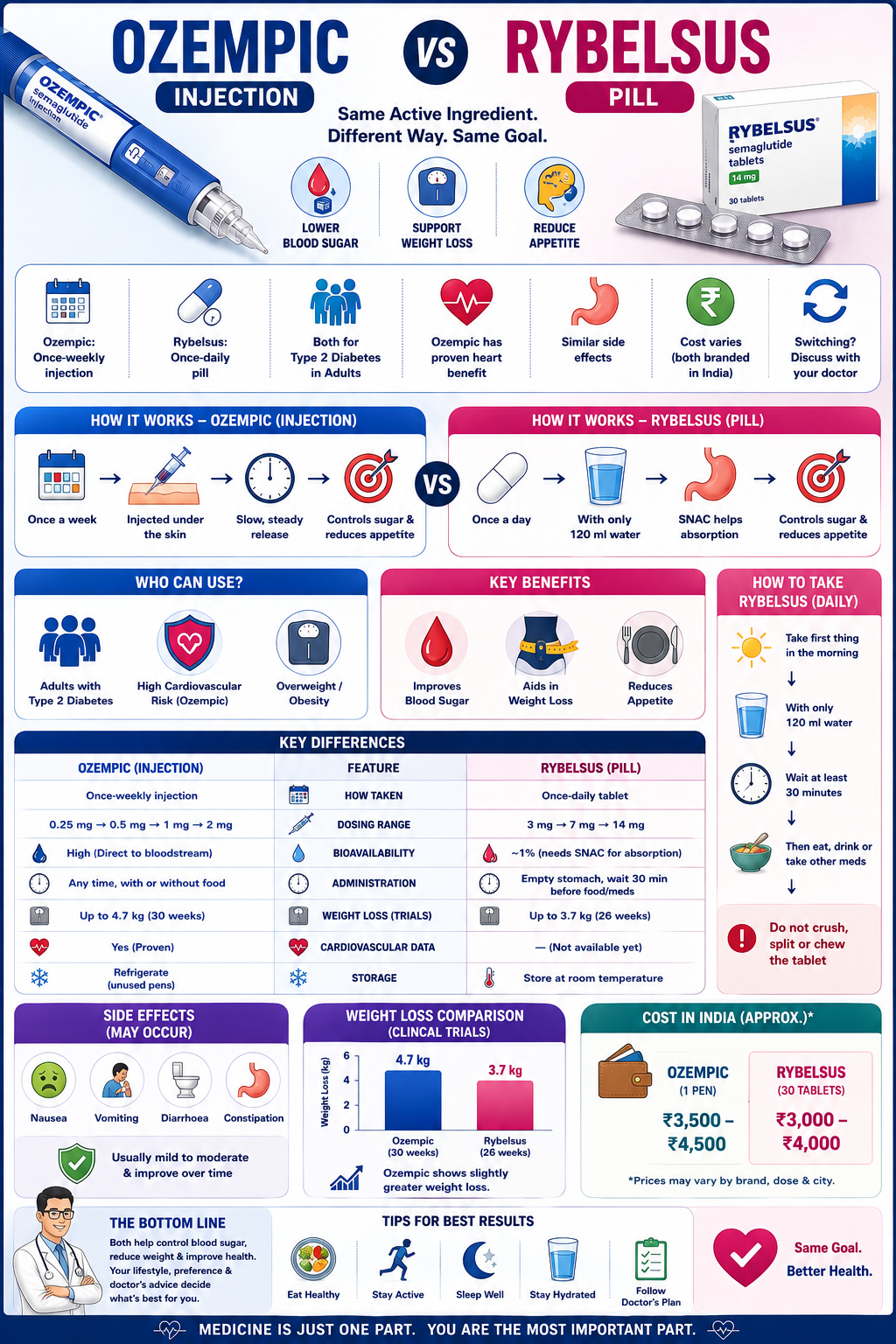
Feature | Ozempic (injection) | Rybelsus (tablet) |
Active ingredient | Semaglutide | Semaglutide |
Form | Subcutaneous injection | Oral tablet |
Dosing frequency | Once weekly | Once daily |
Bioavailability | ~89% | ~1% |
Approved indication | Type 2 diabetes; cardiovascular risk reduction | Type 2 diabetes |
HbA1c reduction | 1.4 - 1.6% | 0.9 - 1.4% |
Weight loss (clinical trials) | Up to 4.7 kg over 30 weeks | Up to 3.7 kg over 26 weeks |
Cardiovascular outcome data | ✅ Yes (SUSTAIN-6) | Limited PIONEER 6 showed a trend, not significant |
Administration requirements | Inject and get on with your day | Empty stomach, 120ml water, 30-min wait daily |
Needle required | Yes | No |
Storage | Refrigerated until opened | Room temperature |
Ozempic vs Rybelsus Weight Loss: What the Numbers Say
The first major question about Ozempic vs. Rybelsus weight loss likely asked by most patients is, at the end of the day, which one is better. The most honest answer is that the injectable semaglutide has a slight edge over Rybelsus, though not enough to make a big difference if both products are administered at conventional dosages.
Results from different clinical trials showed that Rybelsus caused weight loss in patients of approximately 3.7 kg during the 26-week study, while Ozempic enabled its users to lose almost 4.7 kg in 30 weeks. An observational real-life study indicated similar weight loss between the two semaglutide types, around 6 kg within the period of 6 months, thus clarifying that the differences dissipate when compliance and real-life nealty triumph.
The explanation for the discrepancy between Rybelsus and Borzilic results is their absorption rates. The former is less well-absorbed than the latter, which means the amount of drug that reaches the bloodstream is lower.
Rybelsus vs Ozempic for Diabetes: Blood Sugar Control

Rybelsus vs Ozempic for diabetes shows a similar pattern to weight loss; injectables edge ahead on HbA1c reduction, but both are clinically meaningful.
Injectable forms typically reduce HbA1c by 1.4 to 1.6 per cent and produce greater weight loss compared to oral tablets. A retrospective study co-authored by Dr Ambrish Mithal, Padma Bhushan awardee and Group Chairman of Endocrinology at Max Healthcare, published in the Indian Journal of Endocrinology and Metabolism (December 2024), found that oral semaglutide produced a mean HbA1c reduction of 1.0 per cent.
For most patients with moderately elevated HbA1c, both are effective. For patients with significantly elevated HbA1c (above 9 per cent) or established cardiovascular disease, the injectable's added cardiovascular outcome data and stronger glycaemic effect make it the preferred clinical choice.
Rybelsus vs Ozempic Side Effects
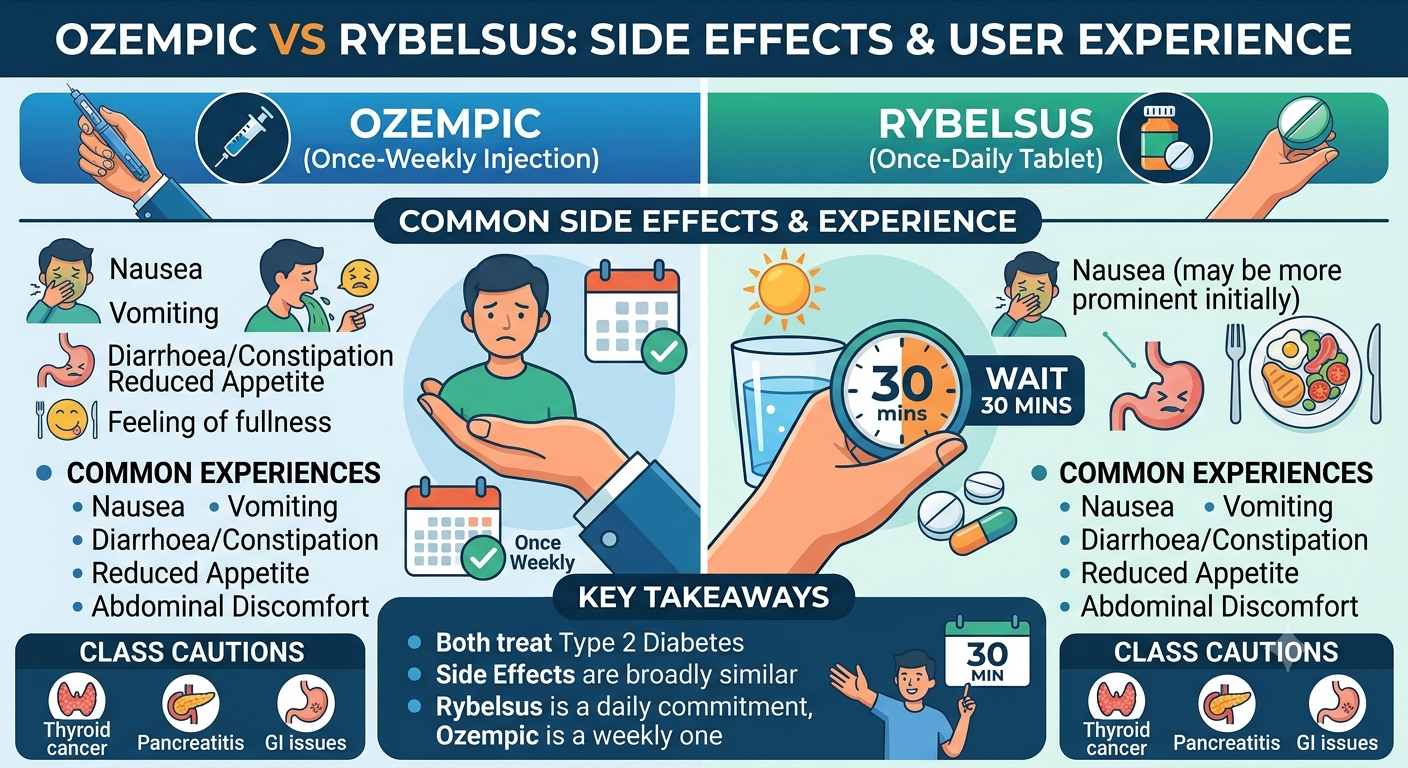
Rybelsus vs Ozempic side effects are broadly similar because the drug is the same.
Most common with both:
Nausea
Vomiting
Diarrhoea or constipation
Abdominal discomfort
Reduced appetite
Rybelsus-specific practical issues:
Nausea may be slightly more prominent for some patients because the tablet acts directly in the stomach before absorption
The 30-minute morning fasting window is a daily inconvenience that injectable dosing does not require
Drug interactions at the point of administration: many morning medications are meant to be taken with food
Both carry the same class-wide cautions: not for use in personal or family history of medullary thyroid carcinoma, multiple endocrine neoplasia syndrome type 2, pancreatitis history, or severe gastrointestinal disease.
Rybelsus vs Ozempic Cost
Rybelsus vs Ozempic cost depends significantly on the market. In India, both are available as branded products; neither has a generic equivalent yet.
As of 2026:
Ozempic (0.5 mg/1 mg/2 mg pen, 4 doses): Approximately ₹8,000 to ₹12,000 per month
Rybelsus (7 mg or 14 mg tablets, 30-day supply): Approximately ₹5,000 to ₹8,000 per month
The Ozempic pill vs injection cost difference, where the tablet is modestly cheaper, may be relevant for long-term affordability, particularly since neither is currently covered under most Indian insurance policies. Discuss the cost-benefit ratio with your diabetologist in the context of your specific clinical needs.
Switching From Rybelsus to Ozempic: When and How
Switching from Rybelsus to Ozempic is a common clinical decision typically when:
Better glycaemic control is needed than the tablet is achieving
Weight loss is insufficient at the maximum Rybelsus dose (14 mg)
Cardiovascular risk reduction becomes a clinical priority
Compliance with the daily fasting window is proving difficult
The switch is generally straightforward but should be guided by your doctor. There is no wash-out period required. Rybelsus can be stopped, and Ozempic started at a starting dose (0.25 mg weekly) the following week, with escalation as tolerated.
Is Rybelsus Better Than Ozempic? A Practical Answer
Is Rybelsus better than Ozempic is not the right framing; the better question is: which is better for you specifically?
Choose Rybelsus if:
You strongly prefer not to inject
Your HbA1c and weight targets are moderate
You are reliable about morning medication routines
Cost is a consideration
Choose Ozempic if:
You have established cardiovascular disease or are at high cardiovascular risk
You need greater HbA1c reduction
Compliance with a daily fasting window is impractical
You need maximum weight loss from semaglutide at current approved doses
This advantage is grounded in the SUSTAIN-6 trial published in the New England Journal of Medicine (2016), which demonstrated a statistically significant 26 per cent reduction in major adverse cardiovascular events with once-weekly semaglutide injection over two years. That is the data that gives Ozempic its cardiovascular indication and makes it the clinically preferred choice for anyone with established heart disease or at high cardiovascular risk.
FAQs
Q1. Are Rybelsus pills better than the injection?
For needle-averse patients, yes, compliance is everything. For maximum glycaemic control and cardiovascular protection, the Ozempic injection is clinically ahead.
Q2. Which is stronger, Rybelsus or Ozempic?
Ozempic. Its higher bioavailability means more semaglutide reaches the bloodstream per dose, producing stronger blood sugar reduction and weight loss effects.
Q3. Is Ozempic better in pill form or injection?
The injection is more effective. Oral semaglutide faces absorption challenges that the injection bypasses entirely.
Q4. Which is better, injection or tablet, for weight loss?
The injection. Ozempic at 1 mg weekly produces greater weight loss than Rybelsus at 14 mg daily in head-to-head data, though real-world results are closer when compliance is factored in.
Q5. Can I switch from Rybelsus to Ozempic?
Yes, with your doctor's guidance. There is no wash-out period, and the switch is common when greater efficacy or cardiovascular protection is needed.
Final Thoughts
Selecting between Ozempic and Rybelsus is not simply a question of deciding which is superior; rather, it is more about selecting the appropriate route of administration, dosing schedule, and relevant clinical profile. Both medications have the same active substance; however, the route of administration and the degree of bioavailability differ.
If you are thinking about using either of the two, you should consult your diabetes specialist and begin treating this as a doctor’s prescription rather than as something you can get from your favorite pharmacy or learn about from the internet.
Read Also
References
Drugs.com [Internet]. 2026 Feb 06 [cited 2026 Jul 09]. Rybelsus vs Ozempic for weight loss: which to choose? Available from: https://www.drugs.com/medical-answers/rybelsus-ozempic-weight-loss-choose-3578038/
GoodRx [Internet]. 2026 Jul [cited 2026 Jul 09]. Rybelsus vs Ozempic: what's the difference? Available from: https://www.goodrx.com/rybelsus/rybelsus-vs-ozempic
SingleCare [Internet]. 2026 Jun 04 [cited 2026 Jul 09]. Semaglutide tablets vs injection: which is best? Available from: https://www.singlecare.com/blog/semaglutide-tablets-vs-injection/
Disclaimer: This article is for general informational and educational purposes only. Ozempic and Rybelsus are prescription medicines. This blog does not constitute medical advice. Always consult a qualified diabetologist or physician before starting, stopping, or switching between any diabetes or weight management medications.














Comments