

Garlic and Weight Management: What are the Benefits and Facts





Last updated on 19 Aug 2026
Today, garlic is a staple in our kitchen and has proven centuries-old medicinal ingredient with vital heart-protective, immune-boosting, and anti-inflammatory properties.
More recently, it has attracted attention for its potential role in weight management. But can a few cloves really help you lose weight? We turn over to science and find a nuanced story. This guide separates fact from hype, exploring what garlic genuinely offers for your health and where its limits lie.
Key Takeaways
|
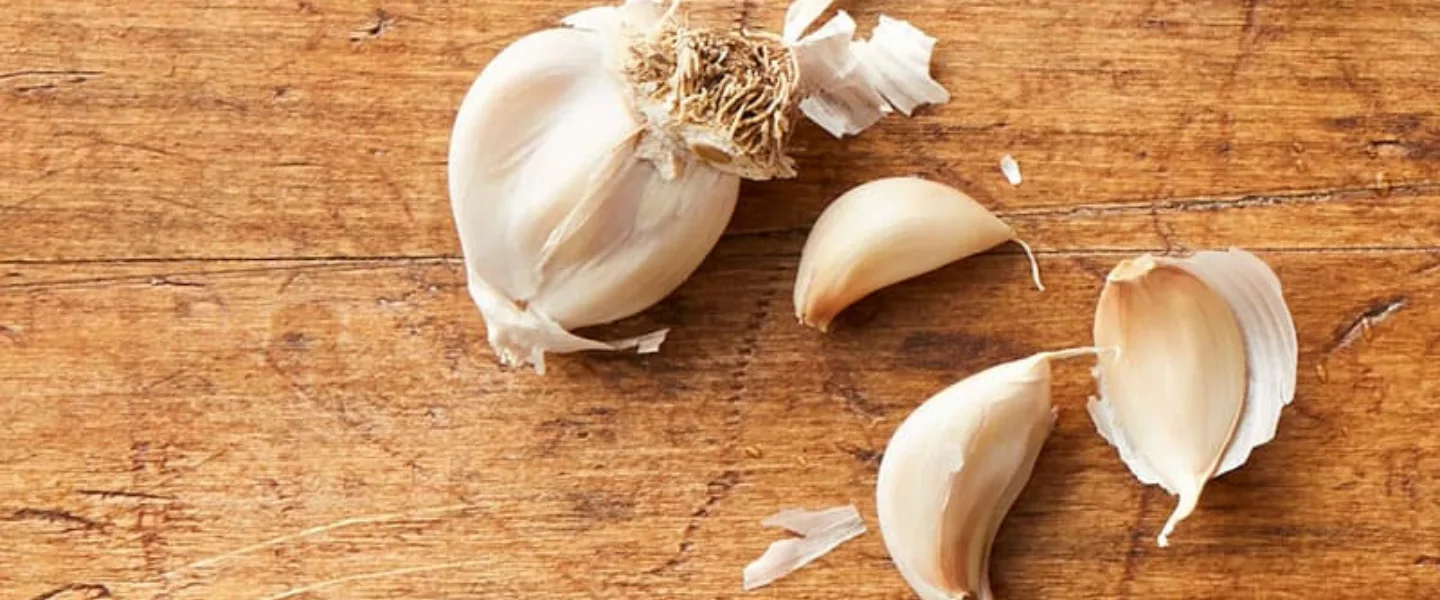
Nutritional Profile of Garlic
The Indian Council of Medical Research (ICMR) Dietary Guidelines for Indians 2024 recommend that garlic, ginger, turmeric and other traditional Indian spices be part of a healthy daily diet due to their anti-inflammatory, antimicrobial and cardioprotective properties, but emphasise that these benefits come from consistent dietary patterns, not from consuming any one ingredient in isolation.
It is remarkably nutrient-dense for its size. A single clove is low in calories but delivers several compounds that actively support health:
Nutrient | Role in Health |
Allicin | Bioactive sulfur compound with antimicrobial and antioxidant properties. |
Vitamin C | Supports immune function and acts as an antioxidant. |
Manganese | Essential for metabolism and bone health. |
Selenium | Supports thyroid function and antioxidant defence. |
Vitamin B6 | Important for energy metabolism and brain health. |
Fibre | Aids digestive health and promotes satiety. |
What Does Research Say About Garlic and Weight Loss?
Dr Rupali Datta, Senior Consultant Nutritionist, Fortis Healthcare, New Delhi. emphasises that crushing or chopping garlic and letting it rest for 10 minutes before cooking to allow allicin formation is the most practical and evidence-backed way for Indians to incorporate active compounds into their daily meals without causing digestive discomfort.
The relationship between garlic and weight management is complex and frequently overstated in popular media.
Metabolism
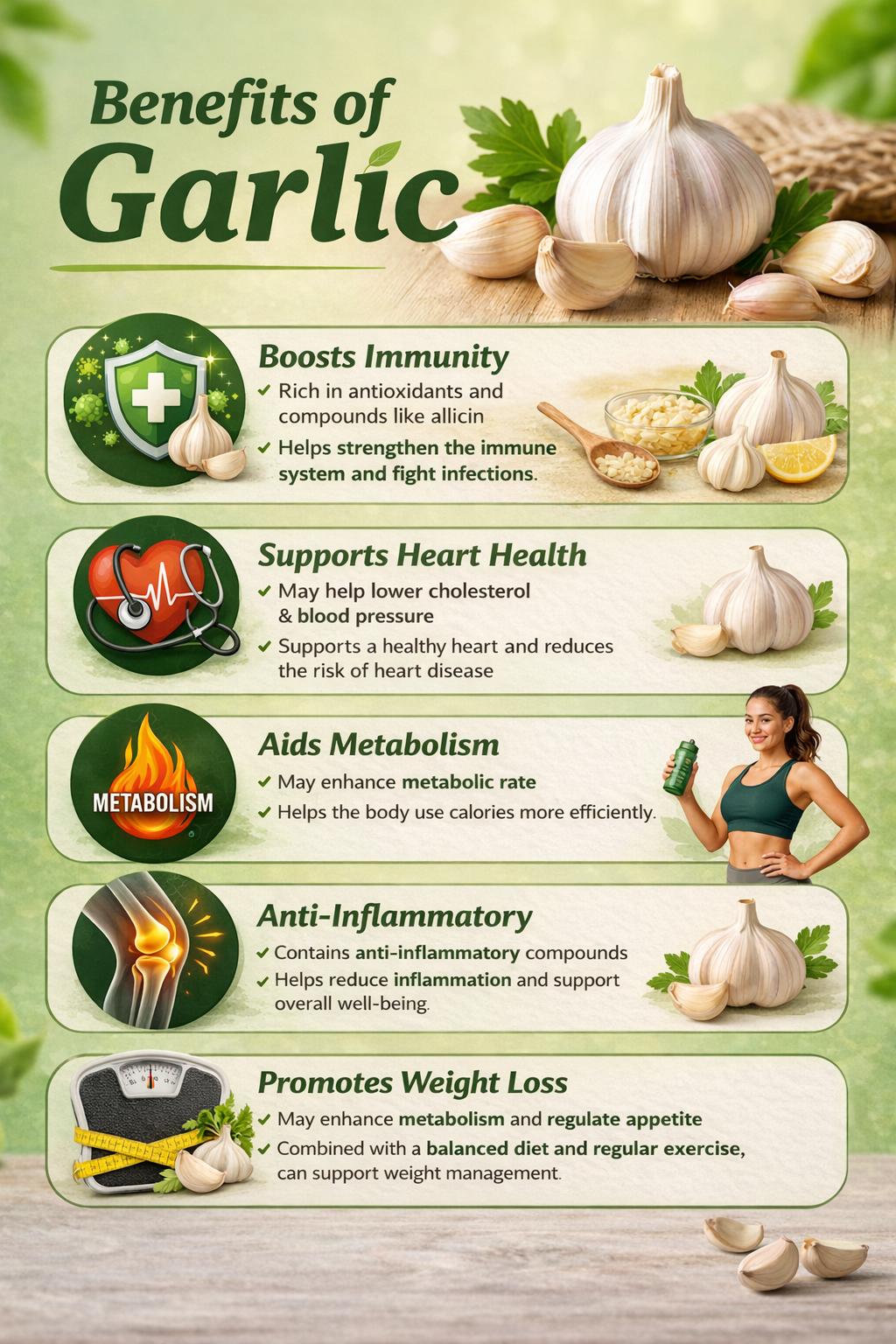
Some studies have investigated garlic's potential metabolic effects, showing modest reductions in body weight in animal models. Human studies, however, have been less conclusive and more limited in scope. The anti-inflammatory compounds may contribute to overall metabolic health, but this forms part of a broader dietary and lifestyle approach rather than a standalone mechanism for weight loss.
Fat Burning
Garlic shows some promise in laboratory settings, but its real-world impact on fat burning remains limited. It may help support cholesterol management, and some recommend consuming one raw clove soaked in honey on an empty stomach to manage cholesterol levels. This supports heart health but does not directly promote fat burning.
Appetite and Satiety
Limited evidence suggests it may influence feelings of fullness. Its fibre content and strong flavour both contribute to meal satisfaction when incorporated into balanced dishes, which can indirectly support calorie management.

How to Use Garlic as Part of a Healthy Lifestyle
In India, in 2025, around 24% of women and 23% of men are already overweight or obese, showing that lifestyle factors play a much bigger role
Fresh Garlic in Meals
Using fresh garlic in everyday cooking is the most straightforward and effective approach. Crush or chop the garlic and let it rest for 10 minutes before cooking. This step maximises allicin formation.
Raw Garlic on an Empty Stomach
Some people consume raw garlic first thing in the morning to maximise allicin content. While this approach does deliver more active compounds, it frequently causes digestive discomfort, heartburn, and strong breath or body odour. If you try this method, start with half a clove and discontinue if you experience discomfort.
Garlic Tea
A gentler option involves steeping 1 to 2 crushed garlic cloves in hot water for 5 to 10 minutes, then straining. Adding lemon juice and honey improves the taste and is easier on the stomach than raw garlic while still providing beneficial compounds.
Garlic and Lemon Water
Combining garlic with warm lemon water is a popular morning drink. Crush one clove, add it to warm water with the juice of half a lemon, and drink on an empty stomach. This provides vitamin C and hydration, along with garlic's active compounds, though it is not a standalone weight-loss solution.
Garlic Supplements
Common forms include aged garlic extract, oil capsules, odourless tablets, and concentrated garlic extract formulas. Studies typically use 600 to 1,200 mg of garlic extract daily, but always follow product instructions and consult your healthcare provider before beginning supplementation.
Can Garlic Reduce Belly Fat?
This is one of the most frequently asked questions about garlic and weight management. The direct answer is No. No single food can target fat in a specific area of the body. Belly fat reduction requires overall fat loss, which comes from a sustained calorie deficit achieved through balanced nutrition and regular physical activity.
Garlic and Weight Loss: Myth vs Reality
Myth | Reality |
Garlic melts belly fat | No single food targets fat in a specific area. Calorie balance, hormones, and lifestyle drive fat loss. |
Raw garlic on an empty stomach burns fat. | Raw garlic increases allicin intake, but there is no solid evidence that it causes meaningful weight loss. |
Garlic boosts metabolism enough to lose weight. | Garlic may have a very mild thermogenic effect, but it is too modest to drive weight loss on its own without diet and exercise. |
Garlic supplements are a shortcut to slimming. | Supplements support general health but cannot replace calorie control, movement, or sustainable habits. |
More garlic equals faster results. | Excess intake only increases the risk of heartburn, body odour, and digestive discomfort. |
Safety Considerations and Side Effects
Common side effects include bad breath and body odour, heartburn, upset stomach, nausea, particularly when consumed raw on an empty stomach, and allergic reactions in sensitive individuals.
It interacts with several medications. It has anticoagulant properties that can increase the risk of bleeding when combined with blood thinners such as warfarin or aspirin. It may reduce the effectiveness of certain HIV medications, interact with immunosuppressants such as cyclosporine, and enhance the blood pressure-lowering effects of antihypertensive drugs.
Who should avoid therapeutic use:
People scheduled for surgery should stop therapeutic garlic use at least two weeks before the procedure due to bleeding risk. Individuals with bleeding disorders, gastroesophageal reflux disease (GERD), or allergies to plants should also avoid therapeutic doses.
How Much Should You Eat Daily?
For culinary use, there is no specific limit. Use garlic as desired in cooking. For therapeutic use, one to two fresh cloves (4 to 8 g) per day is a reasonable amount. Supplements are typically dosed at 600-1,200 mg daily, per study protocols. Avoid exceeding four to five cloves daily to minimise digestive side effects.
Frequently Asked Questions
1. Does garlic boost metabolism?
Garlic may slightly increase energy expenditure through its sulfur compounds, but the effect is modest and insufficient to replace balanced nutrition or regular exercise.
2. Will eating raw garlic on an empty stomach help with weight loss?
Raw garlic delivers the most allicin, but there is limited evidence that it drives meaningful weight loss. It can cause heartburn and digestive discomfort, particularly in larger amounts.
3. How long before I notice any results from garlic?
Cardiovascular and immune benefits may appear over weeks to months of consistent use. For weight management, garlic alone is unlikely to produce noticeable results without broader lifestyle changes supporting it.
4. Can garlic specifically target belly fat?
No. Fat loss occurs across the body based on overall calorie balance, hormones, and genetics. No food targets fat reduction in a specific area.
5. Is long-term garlic supplementation safe?
For most people, yes. However, always check with a healthcare provider if you take medications, have bleeding risks, or experience digestive issues.
Final Thoughts
Garlic can be a healthy addition to your daily diet, offering benefits for heart health, immunity, and overall well-being. However, when it comes to weight loss, its effects are limited and should not be overstated. It may support metabolism slightly, but it cannot replace proper diet and exercise. Sustainable weight loss always depends on balanced nutrition, physical activity, and consistent lifestyle habits.
Using garlic as part of a healthy routine can be helpful, but relying on it alone will not give significant results. Focus on overall health rather than quick fixes, and consult a doctor before using it regularly for therapeutic purposes.
Read Also
References
Ettehad-Marvasti F, et al. Effect of Garlic Extract on Weight Loss and Gut Microbiota Composition in Obese Women: A Double-Blind Randomised Controlled Trial. Frontiers in Nutrition, 2022 https://doi.org/10.3389/fnut.2022.1007506.
Ansary J, et al. Potential Health Benefit of Garlic Based on Human Intervention Studies: A Brief Overview. Antioxidants, 2020 https://doi.org/10.3390/antiox9070619.
ScienceDirect. Garlic and Metabolic Health https://www.sciencedirect.com/science/article/pii/S0022316622031145.
Disclaimer: The information in this article is for general informational purposes only and does not constitute medical advice. Always consult your doctor or a registered dietitian before making significant changes to your diet, particularly if you have a medical condition or take prescribed medication.















Comments