

Can You Stop Your BP Medicine Once Numbers Are Normal?





Last updated on 15 Aug 2026
It is one of the most common questions that anyone on long-term blood pressure medication quietly asks themselves: "My readings are fine now, do I actually still need to take this?" It is a reasonable question. You feel well. The numbers look good. The side effects are annoying. So why not stop?
The short answer is: it is more complicated than it looks. And stopping without proper guidance can be genuinely dangerous. This blog gives you the full picture, honestly and in plain English, so you can have a better conversation with your doctor.
Key Takeaways
|
Why Normal Numbers on Medicine Are Not the Same as a Cure

Dr Dorairaj Prabhakaran, Executive Director of the Centre for Chronic Disease Control in New Delhi and lead investigator of India's largest hypertension trial, puts the scale of the problem plainly: "In India, there are 300 million people living with hypertension, but the control rates are abysmal, around 7-11 per cent in rural areas and 11-20 per cent in urban areas. The most important reason is low awareness. Because hypertension often lacks symptoms, it may go unnoticed."
This is the point most patients misunderstand, and understandably so. If your blood sugar drops after taking insulin, you should not stop the insulin and declare yourself cured of diabetes. The same logic applies to hypertension medicines.
Blood pressure medication works continuously to keep your blood pressure within a healthy range. The moment you stop the medicine, the underlying condition, narrowed or stiffened arteries, higher cardiac output, or increased fluid retention, does not go away. The drug simply stops controlling it.
Can hypertension be cured permanently? For most people, no. Primary hypertension, the most common type, with no single identifiable cause, is a chronic condition managed rather than cured. Secondary hypertension, caused by a treatable condition like a kidney problem or a hormonal disorder, can sometimes resolve fully if the underlying cause is treated. But that represents only 5-10 per cent of hypertension cases.
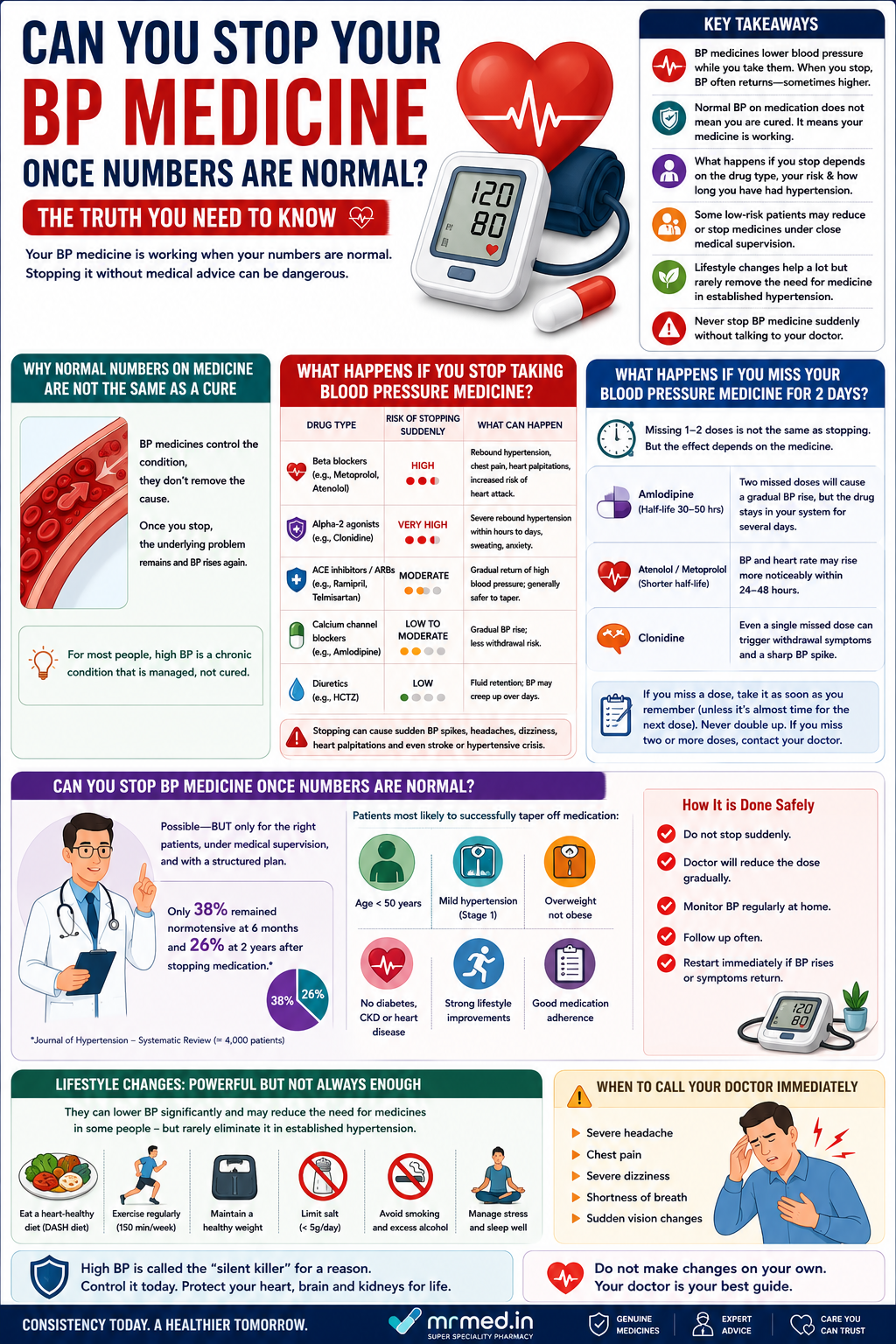
What Happens If You Stop Taking Blood Pressure Medicine?
The consequences of stopping blood pressure medication vary by the type of drug involved, how abruptly you stop, and your individual cardiovascular risk.
Drug Type | Risk of Stopping Suddenly | What Can Happen |
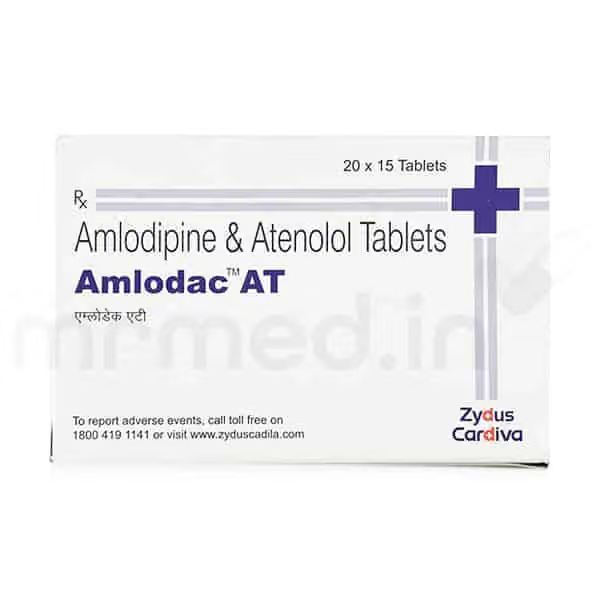
Beta blockers (e.g., metoprolol, Atenolol) | High | Rebound hypertension, chest pain, heart palpitations, increased risk of heart attack |
Alpha-2 agonists (e.g., clonidine) | Very high | Severe rebound hypertension within hours to days, sweating, anxiety |
ACE inhibitors / ARBs (e.g. Ramipril, Telmisartan) | Moderate | Gradual return of high blood pressure; generally safer to taper |
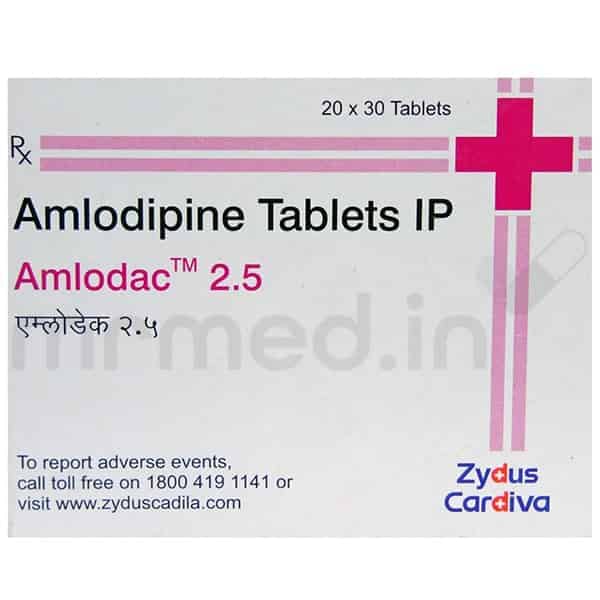
Calcium channel blockers (e.g. Amlodipine) | Low to moderate | Gradual BP rise; less withdrawal risk |
Diuretics (e.g., Hydrochlorothiazide) | Low | Fluid retention; BP may creep up over days |
Stopping blood pressure medication side effects can include sudden spikes in blood pressure, headaches, dizziness, heart palpitations, and, in severe cases, stroke or hypertensive crisis. When you stop taking blood pressure medications, your blood pressure does not just return to its previous level; it can actually spike higher than before. This rebound hypertension can occur within days or take up to six months to develop, and in some cases may exceed your original blood pressure levels, putting you at risk for heart attacks or strokes.
What Happens If You Miss Your Blood Pressure Medicine for 2 Days?
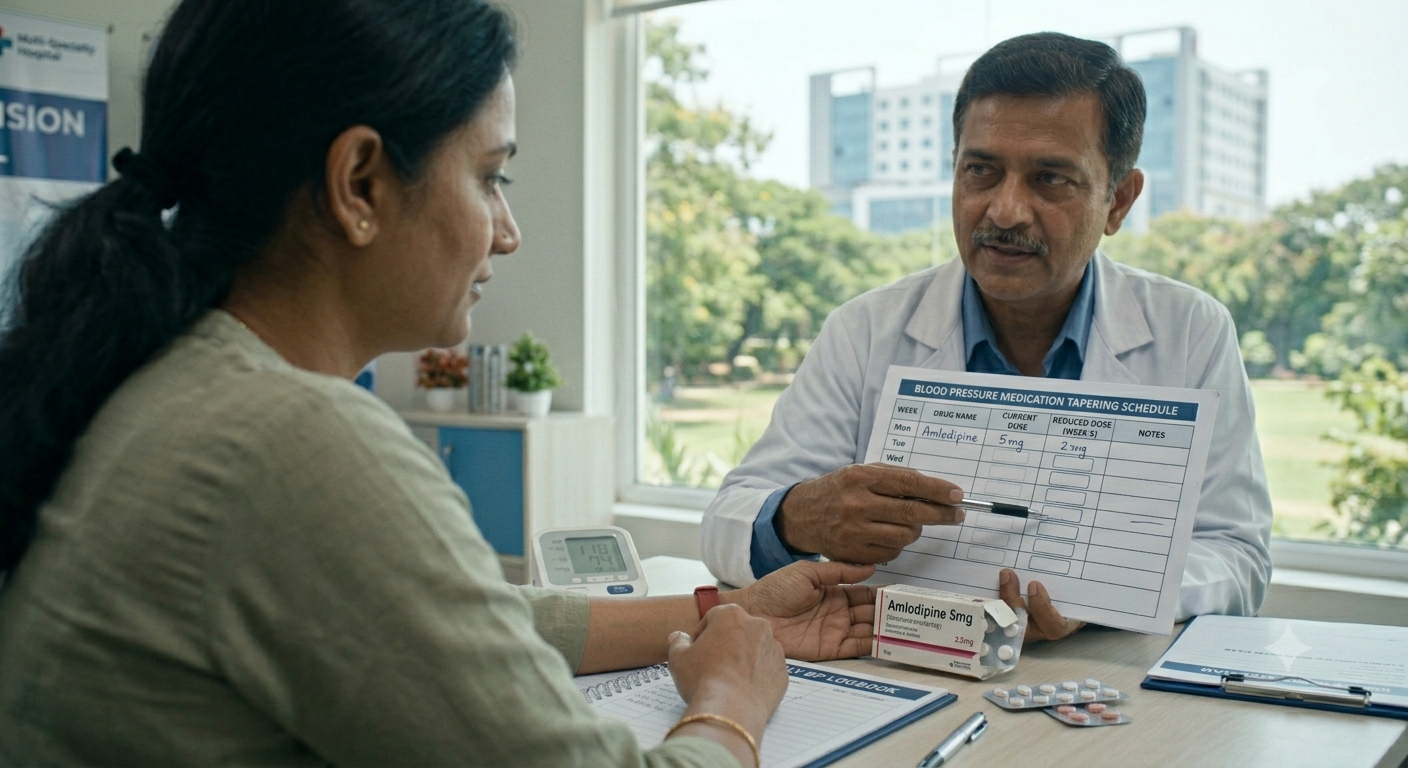
Missing a dose or two is not the same as deliberately stopping. Most modern BP medications are designed with a pharmacological half-life long enough to accommodate occasional missed doses without a dramatic effect.
What happens if you miss your blood pressure medicine for 2 days depends on the drug:
For Amlodipine (half-life of 30–50 hours): Two missed doses will cause a gradual BP rise, but the drug stays in your system for several days.
For Atenolol or Metoprolol (shorter half-life): Blood pressure and heart rate may rise more noticeably within 24–48 hours.
For Clonidine: Even a single missed dose can trigger withdrawal symptoms, including a sharp BP spike.
The general rule is: if you realise you have missed a dose, take it as soon as you remember, unless it is almost time for your next dose. Never double up. And if you miss two or more consecutive doses, contact your doctor or pharmacist for guidance rather than trying to catch up on your own.
Can You Stop BP Medicine Once Numbers Are Normal?
Can you stop BP medicine once the numbers are normal? Possibly, but only for the right patients, under medical supervision, and with a structured plan. It is not a decision to make alone.
A systematic review in the Journal of Hypertension, covering nearly 4,000 patients, found that only 38 per cent remained normotensive 6 months after stopping medication, dropping to just 26 per cent at 2 years, meaning that even in well-selected, lower-risk patients, the odds of staying off medication long-term are below one in three.
The patients most likely to successfully taper off medication include:
Age under 50 with mild, early-stage hypertension
On a single medication at a low dose
No other cardiovascular risk factors (diabetes, kidney disease, family history of heart attack or stroke)
Sustained and meaningful lifestyle changes in place for at least 6 to 12 months of consistent healthy habits
Normal BP readings are maintained consistently over at least a year
Conversely, patients who are older, on multiple medications, or have additional risk factors such as diabetes or a history of heart disease are much more likely to need blood pressure medication for life.
How to Stop Taking Blood Pressure Medication Safely If Your Doctor Agrees
When to stop blood pressure medication and how to stop it safely are questions only a cardiologist or GP can answer for your specific situation. But here is what the process typically looks like when it is done correctly:
Step 1: Consult your doctor. Never stop on your own. Your doctor will review your BP history, risk profile, current medications, and whether tapering is even appropriate.
Step 2: Address lifestyle changes first. Before any reduction in your medication can occur, you need to have made significant and sustainable lifestyle changes such as regular exercise, a low-sodium diet, continuous weight loss, and cessation of smoking.
Step 3: Taper gradually. If medication reduction is agreed upon, doses are reduced slowly rather than stopped all at once. This is especially important for beta blockers and alpha-2 agonists.
Step 4: Monitor closely. During and after tapering, home blood pressure monitoring every morning and evening is essential. Keep a log and share it with your doctor.
Step 5: Have a clear plan for the return. Most patients who stop taking medication will see their BP return to normal within months to years. Knowing your restart threshold and acting on it quickly is part of the plan.
Can You Get Off Blood Pressure Medication With Diet and Exercise?

Can you get off blood pressure medication with diet and exercise? In some cases, particularly early, mild hypertension, yes. But the evidence sets realistic expectations.
The lifestyle changes with the strongest blood pressure-lowering evidence include:
Lifestyle Change | Expected BP Reduction |
Low-sodium diet (under 2 g of sodium daily) | 5–6 mmHg systolic |
Regular aerobic exercise (30 min, 5 days/week) | 4–9 mmHg systolic |
Weight loss (per kg lost) | ~1 mmHg systolic per kg |
DASH diet (rich in fruits, vegetables, low-fat dairy) | 8–14 mmHg systolic |
Limiting alcohol | 2–4 mmHg systolic |
Quitting smoking | Prevents further rise; general cardiovascular benefit |
For a patient with a BP of 145/92 on no medication, these changes together could realistically bring readings into the normal range and may allow medication to be avoided or reduced. For a patient on two medications with a BP of 160/100, lifestyle changes alone are very unlikely to replace medical treatment.
How to reduce blood pressure without medication is a realistic goal for prevention and for mild hypertension caught early. For moderate to severe hypertension, it is an important complement to medication, not a replacement for it.
Once You Start Taking Blood Pressure Medication, Can You Stop?
Once you start taking blood pressure medication, can you stop? This is maybe the most frequent question that patients have and deserves an honest response.
Being prescribed a medication does not mean that you have to keep taking it forever. Clinical decisions regarding your medication can be made by your physician at any time. The following must be understood:
Your blood pressure was high enough to require treatment; however, the risk of suffering from complications will not disappear simply because you are no longer at risk for high blood pressure.
The primary purpose of medications is not only to cure high blood pressure, but also to manage it.
Stopping carries real risk unless done properly
Think of it this way: wearing glasses corrects your vision. Taking them off does not fix your eyes. Blood pressure medication works in a very similar way for most people.
FAQs
Q1. Can you stop BP medicine once the numbers are normal?
Not on your own. Normal readings mean the medicine is working, not that the problem is gone. Talk to your doctor before changing anything.
Q2. What happens if you stop taking blood pressure medicine suddenly?
Blood pressure can spike sharply, sometimes higher than before you started. Some medicines, especially beta blockers and clonidine, can cause dangerous rebound effects if stopped without tapering.
Q3. What happens if you miss your blood pressure medicine for 2 days?
It depends on the drug. Most cause a gradual BP rise. Never double up on doses. If you have missed two or more days, call your doctor or pharmacist.
Q4. Can you get off blood pressure medication with diet and exercise?
For mild, early hypertension, yes, with sustained lifestyle changes and medical supervision. For moderate to severe hypertension, lifestyle changes help significantly but rarely replace medication entirely.
Q5. How to stop taking blood pressure medication safely?
Only with a doctor's approval. The process involves gradual tapering, not sudden stopping, alongside daily BP monitoring and a clear plan to restart if readings rise again.
Final Thoughts
If your blood pressure numbers are normal on medication, that is not a signal to stop it is proof the treatment is working. The question of whether you can eventually reduce or stop hypertension medicines is one worth raising with your doctor, particularly if you have made meaningful lifestyle changes and your readings have been stable for a year or more.
But this conversation needs to happen in a clinic, not in your head at a pharmacy counter. The risks of stopping blood pressure medication without guidance are real, and the consequences of a sudden BP spike can be serious and irreversible.
You deserve to fully understand your condition. Ask the question. Push for the conversation. Just do not make the decision alone.
Read Also
References
Gnjidic D, Langford AV, Jordan V, Sawan M, Sheppard JP, Thompson W, et al. Withdrawal of antihypertensive drugs in older people. Cochrane Database Syst Rev. 2025;3:CD012572. Available from: https://www.cochrane.org/evidence/CD012572_what-are-effects-stopping-blood-pressure-medications-older-people
Taweerungruang P, Noppakun K, Chindaphan B, Chaiyasri A, Satirapoj B, Chaiyasri N, et al. Withdrawal of antihypertensive medication in young to middle-aged adults: a prospective, single-group intervention study. BMC Cardiovasc Disord. 2022;22:565. Available from: https://pmc.ncbi.nlm.nih.gov/articles/PMC9806446/
Cushman WC, Goff DC Jr, Campbell PT, Balasubramanian R, Booth JN III, Chen Z, et al. Blood pressure medication side effect symptoms and patient treatment satisfaction and adherence. J Am Board Fam Med. 2025. Available from: https://pmc.ncbi.nlm.nih.gov/articles/PMC12616829/
Disclaimer: This article is for general informational purposes only and is not a substitute for professional medical advice. Never stop, reduce, or change your blood pressure medication without consulting a qualified cardiologist or physician.










Comments