

5 Ways GLP-1 Drugs Are Changing More Than Just Your Weight





Last updated on 30 Sep 2026
When GLP-1 receptor agonists came to the forefront in 2021, discussions mostly revolved around weight. Ozempic before-and-after images. Celebrities talking about it. Long queues outside the endocrinology offices. The argument was quite simple: it’s the medications that help people lose weight.
However, this explanation has never been completely true and has become inadequate in 2026. Facts gathered over five years of broad use, and from millions of patients receiving treatment, paint a much more interesting picture. For example, the medicinal properties of GLP-1 are not only limited to weight loss, but also touch the functioning of the heart, kidneys, liver, brain and even shape the behaviours of addiction. Authorities recognize some of these effects, while others are yet to be uncovered.
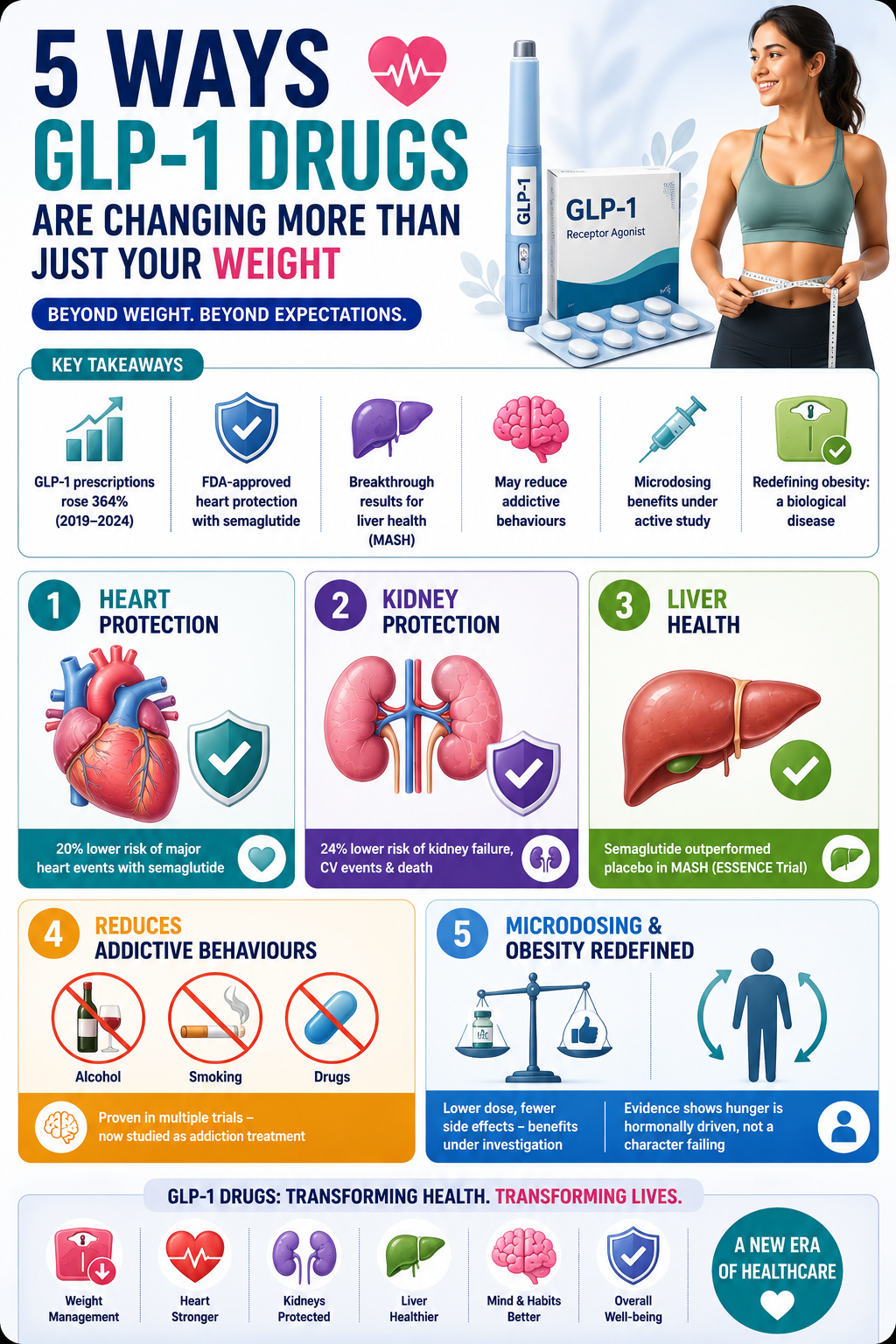
Key Takeaways
|
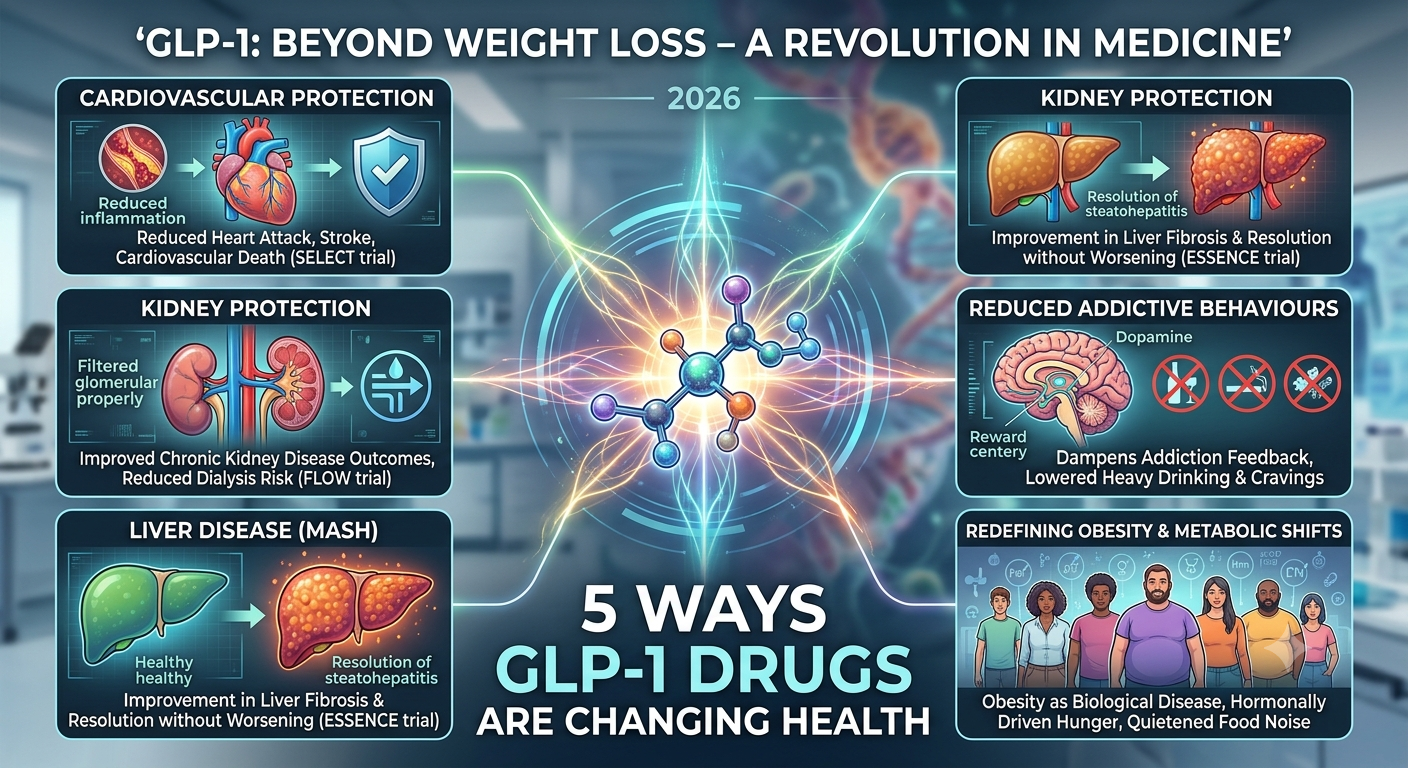
Way 1: GLP-1 Cardiovascular Protection: The Most Established Beyond-Weight Benefit
The first and most firmly established benefit of GLP-1 for weight loss drugs beyond metabolism is cardiovascular protection, and it now has regulatory approval to show for it.
The SELECT trial enrolled 17,604 adults with overweight or obesity and established cardiovascular disease but no diabetes. Over an average 34-month follow-up, weekly semaglutide for weight loss reduced the risk of major adverse cardiovascular events heart attack, stroke, or cardiovascular death by 20 per cent compared with placebo. Of patients on semaglutide, 6.5 per cent experienced a primary cardiovascular event, versus 8 per cent on placebo. In March 2024, the FDA approved semaglutide specifically for reducing cardiovascular risk in overweight and obese adults, not just in patients with diabetes.
Does GLP-1 burn fat or reduce appetite? Both, but cardiovascular protection appears to involve mechanisms beyond weight loss. GLP-1 receptors are expressed directly in the heart. Direct cardiac effects, including reduced inflammation, lowered oxidative stress, and improved cardiac function, appear to contribute alongside the weight-reduction pathway. Some cardiovascular benefits in trials appeared before significant weight loss, which researchers describe as weight-independent cardioprotection.
Way 2: Kidney Protection: The Benefit That Stopped a Trial Early
The FLOW trial enrolled adults with Type 2 diabetes and chronic kidney disease, a combination that carries a very high risk of progression to dialysis or death. Semaglutide reduced major kidney events, cardiovascular events, and death by approximately 24 per cent. The trial was stopped early because the benefit was so clear that continuing a placebo arm would have been ethically unjustifiable. The findings were published in the New England Journal of Medicine in 2024. In January 2025, the FDA approved semaglutide specifically for the treatment of chronic kidney disease in patients with Type 2 diabetes.
GLP-1 metabolic and organ health, particularly kidney protection, was initially assumed to be driven by better blood sugar control, reducing the filtration burden on the kidney. The FLOW trial data suggests it is more complicated: the kidney protection involves multiple mechanisms, likely including reduced glomerular pressure, anti-inflammatory effects in kidney tissue, and weight-loss-independent pathways through GLP-1 receptors expressed in the kidney itself.
Way 3: Liver Disease: 2025's Landmark Finding in Hepatology
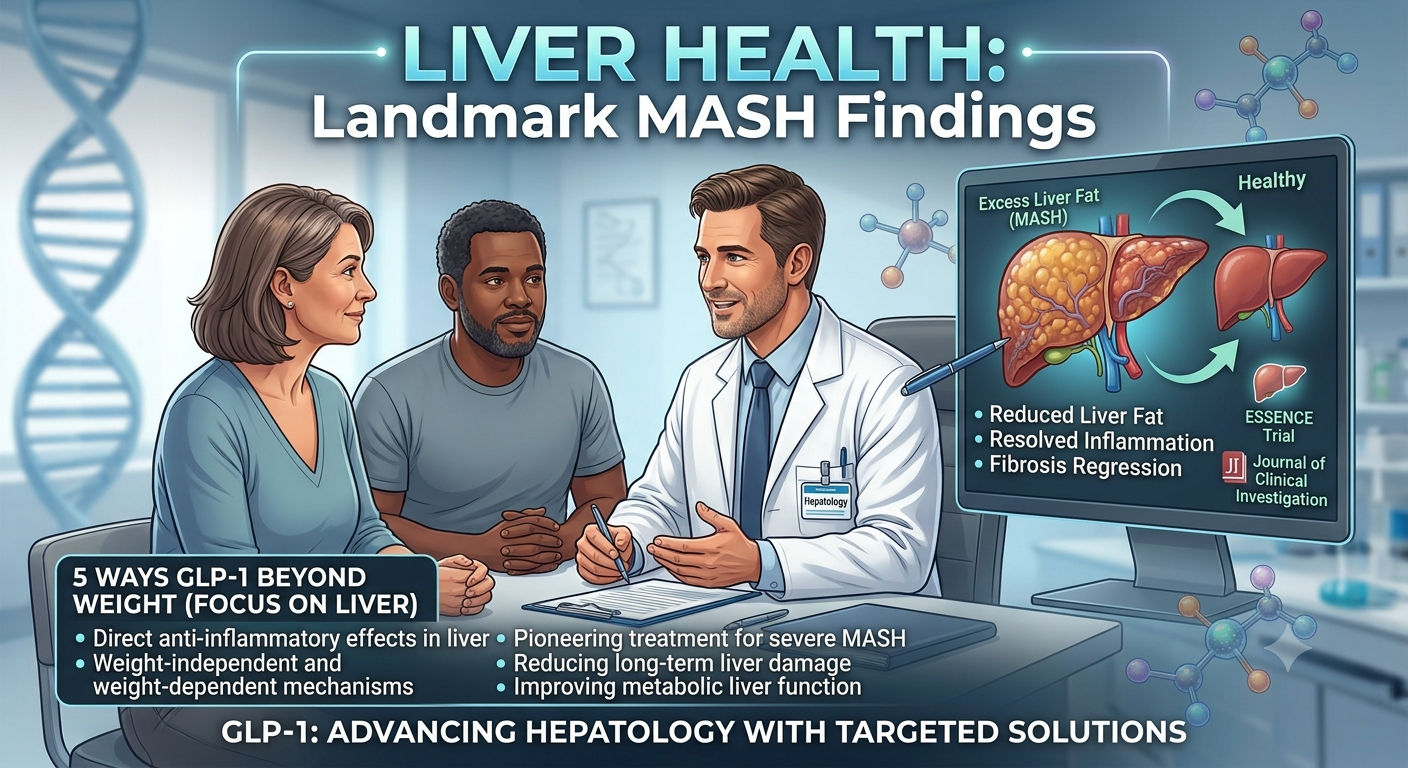
GLP-1 and gut health extend specifically to the liver, and 2024 to 2025 produced some of the most significant hepatology findings in a decade.
Metabolic dysfunction-associated steatohepatitis is a form of severe liver disease driven by fat accumulation and inflammation in the liver, tightly linked to obesity and Type 2 diabetes. It affects an estimated 6 to 8 per cent of the global adult population and, until recently, had no approved pharmacological treatment.
At the American Association for the Study of Liver Disease conference in San Diego in November 2024, investigators presented interim results from the ESSENCE trial, which tested semaglutide specifically in MASH. Semaglutide showed superiority over placebo on both primary endpoints: resolution of steatohepatitis without worsening fibrosis, and improvement in liver fibrosis without exacerbation of steatohepatitis. In March 2025, the FDA approved semaglutide for the treatment of MASH with liver fibrosis, the first pharmacological approval specifically for this indication.
A 2025 review in the Journal of Clinical Investigation, co-authored by Professor Daniel J. Drucker of the University of Toronto and the Lunenfeld-Tanenbaum Research Institute, the researcher credited with fundamental discoveries in GLP-1 biology, confirmed that GLP-1 therapies reduce systemic and tissue inflammation through both weight-dependent and weight-independent mechanisms, and that this anti-inflammatory action is likely central to the liver findings.
Way 4: GLP-1 and Reduction of Addictive Behaviours
GLP-1 and reduction of addictive behaviours appear to operate through the same dopaminergic mechanism that produces the reported "Ozempic personality" effect in some users. GLP-1 receptors are expressed in the nucleus accumbens, the brain's primary reward processing centre. Drugs, alcohol, and compulsive behaviours activate this reward circuit through dopamine. GLP-1 receptor agonists appear to dampen this activation, reducing the pull of the reward without eliminating the capacity for enjoyment.
The trial evidence:
Alcohol: A 2025 double-blind randomised clinical trial published in JAMA Psychiatry found that weekly semaglutide significantly reduced heavy drinking days and total alcohol consumption in adults with alcohol use disorder, confirming a pharmacological mechanism that patient reports had been describing since 2022. A 2026 Lancet randomised trial similarly confirmed the alcohol reduction effect.
Smoking: Observational data suggest lower smoking rates among GLP-1 users. Randomised trials are underway.
Opioid use disorder: A large observational study of over 140,000 patients published in PMC (2025) found that GLP-1 receptor agonist users had significantly lower rates of substance use disorders compared with users of other anti-obesity medications, including lower rates of opioid-related diagnoses.
The clinical implication is significant: GLP-1 receptor agonists may be treating not just metabolic disease but addictive biology, and the mechanism is the same in both cases.
Way 5: GLP-1 Shifts in Consumer and Retail Spending and Redefining Obesity

GLP-1 shifts in consumer and retail spending are now measurable and documented. Retail pharmacy chains in the US report that GLP-1 users purchase significantly less processed food and confectionery than comparable non-users. Alcohol companies have flagged GLP-1 use as a headwind to consumer demand in investor presentations. The food industry is quietly reformulating products to appeal to smaller appetite sizes.
But the more important shift is conceptual. Redefining obesity as a biological disease rather than a failure of willpower is one of the most significant consequences of the GLP-1 era. For decades, the dominant cultural narrative treated obesity as a lifestyle problem: eat less, move more, and personal discipline does the rest. The pharmacological evidence that appetite, satiety, and reward-seeking are hormonally governed, and that hormonal intervention produces repeatable results regardless of personal motivation, directly contradicts this narrative.
How are people losing weight so fast on GLP-1? The answer is not that GLP-1 drugs give people willpower. They alter the hormonal environment so eating less requires no willpower. The hunger is simply less. The food noise quietens. The decision to stop eating becomes easier not because the person changed, but because the pharmacological environment around them changed.
The Questions the Evidence Has Not Yet Answered
Three big questions remain genuinely open:
Does Ozempic permanently change your metabolism? No evidence yet supports permanent metabolic changes. The mechanisms of weight loss on GLP-1 drugs appear to be dependent on continued drug use rather than resetting the body's set point.
Do you gain weight back after stopping GLP-1? Yes, in most patients, substantially. The STEP 1 extension study found that patients regained approximately two-thirds of lost weight within one year of stopping semaglutide. This is not a drug failure. It is evidence that obesity is a chronic condition requiring chronic treatment just as hypertension requires ongoing medication.
GLP-1 microdosing benefits, using doses below the therapeutic range to maintain benefits with fewer side effects and lower cost, is an emerging concept under active clinical investigation. A News Medical report from September 2026 confirmed that whether sub-therapeutic doses can preserve cardiovascular, kidney, and liver benefits while reducing gastrointestinal side effects is being actively studied. No major trial has yet confirmed this; it is a hypothesis being investigated, not an established practice.
Tirzepatide vs Semaglutide: Which Produces These Benefits More Strongly?
Tirzepatide vs semaglutide comparison beyond weight loss is still being characterised:
Benefit | Semaglutide | Tirzepatide |
Cardiovascular protection | ✅ FDA-approved (SELECT trial) | SURMOUNT-MMO trial ongoing |
Kidney protection | ✅ FDA-approved (FLOW trial) | Data emerging |
Liver disease (MASH) | ✅ FDA-approved (ESSENCE trial) | Under investigation |
Alcohol/addiction reduction | ✅ RCT confirmed (JAMA Psychiatry 2025) | Under investigation |
Obstructive sleep apnoea | Data emerging | ✅ FDA-approved (SURMOUNT-OSA trial) |
Weight loss magnitude | 15% body weight (STEP 1) | 22% body weight (SURMOUNT-1) |
Which GLP-1 loses weight faster? Tirzepatide, with its dual GIP and GLP-1 mechanism, produces greater and faster weight loss than semaglutide monotherapy in head-to-head data. But for the cardiovascular, kidney, and liver benefits, semaglutide has the more mature regulatory evidence base. The two drugs are not interchangeable; their benefit profiles are dose-, indication-, and mechanism-specific.
GLP-1 Medication Costs: The Access Problem These Benefits Create
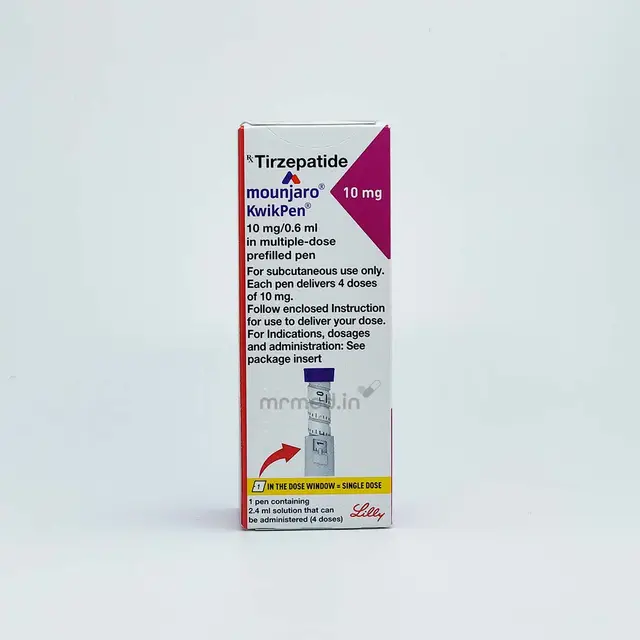
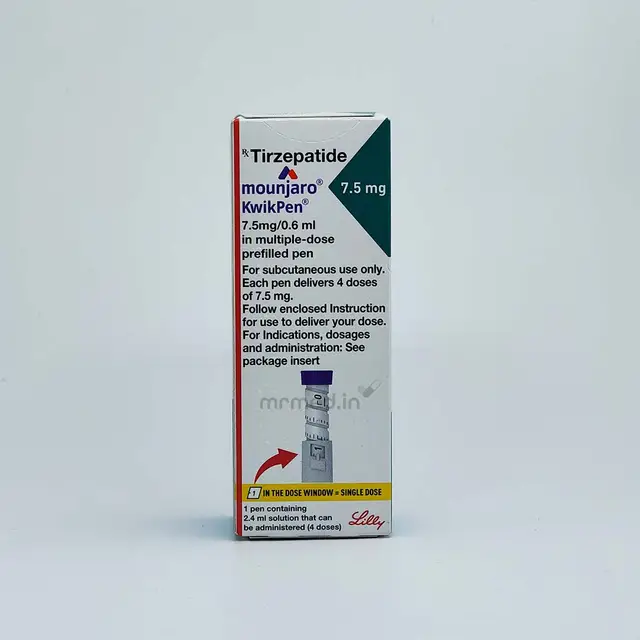
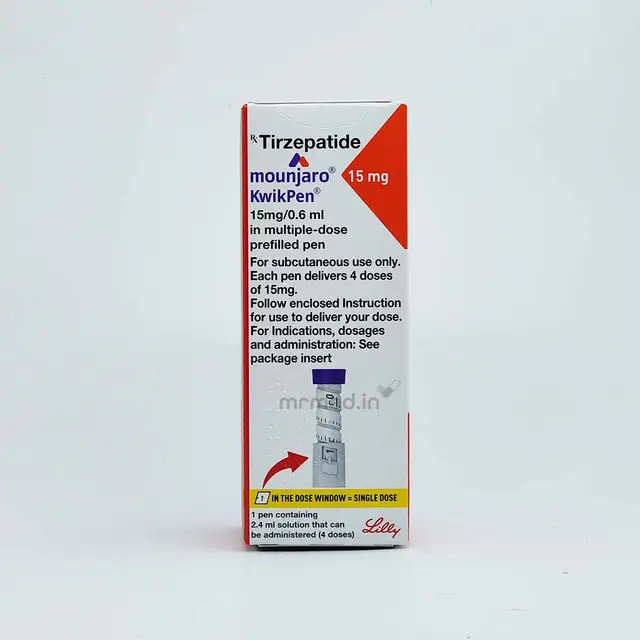
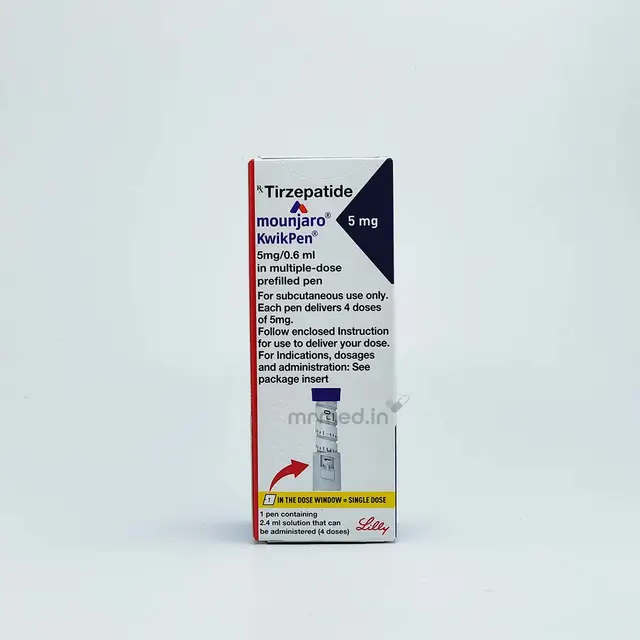
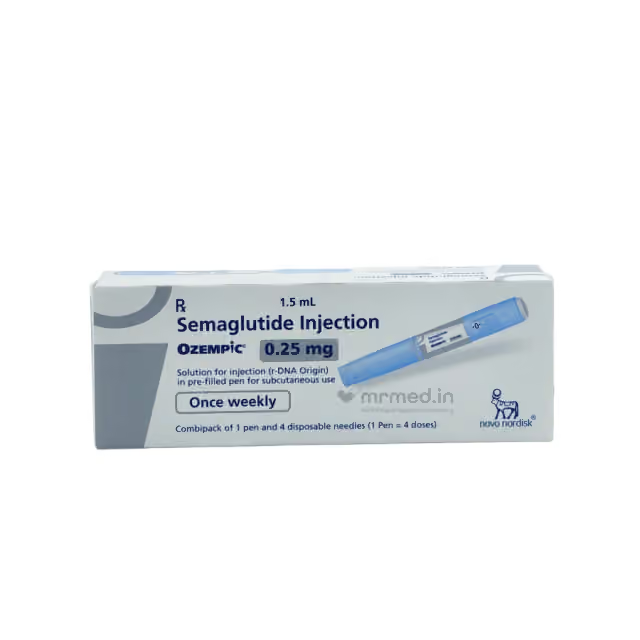
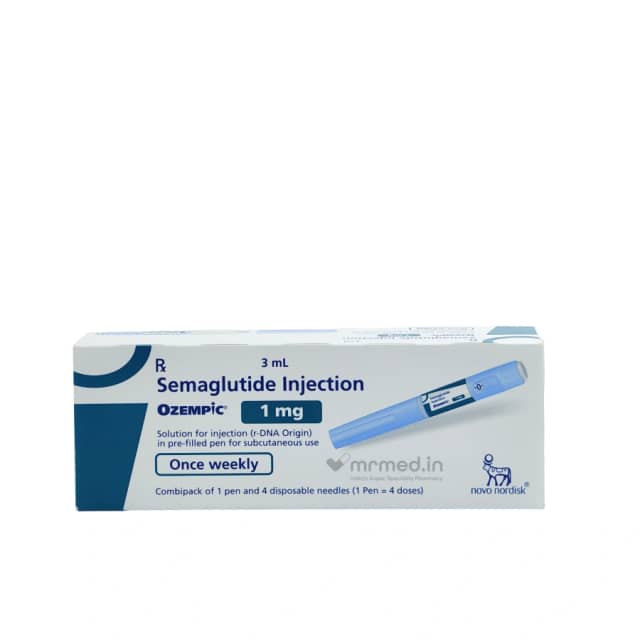
GLP-1 medication costs are the most significant barrier to the benefit described above reaching the patients who need it most. In India, Ozempic costs approximately ₹8,000 to ₹12,000 per month; Mounjaro costs approximately ₹12,000 to ₹18,000. Most Indian health insurance policies do not cover either. Neither is in the PM Jan Aushadhi formulary at standard doses.
Compounded semaglutide mixed by compounding pharmacies was authorised in the US as a temporary measure during official shortage periods. This practice carries meaningful quality and dosing risks. In India, there is no regulatory framework for compounded semaglutide; anything sold under that description should be treated as an unapproved product.
GLP-1 side effects remain real; nausea, vomiting, diarrhoea, and constipation are the most common. The serious risks (pancreatitis, gallbladder disease, rare thyroid concerns in predisposed individuals) are documented but uncommon. The benefit-risk calculation, for most indicated patients, favours use, but this calculation is individual and requires medical oversight.
FAQs
Q1. Does GLP-1 burn fat or reduce appetite?
Both, but the primary mechanism is appetite suppression through GLP-1 receptors in the brain. Fat burning occurs secondarily. The appetite effect is more dominant and more consistent.
Q2. Do you gain weight back after stopping GLP-1?
Yes, typically about two-thirds of lost weight returns within one year of stopping. This is consistent with obesity being a chronic disease requiring ongoing treatment, not a condition cured by a drug course.
Q3. Which GLP-1 loses weight faster?
Tirzepatide, with its dual GLP-1/GIP mechanism, produces greater average weight loss (22% vs 15% of body weight) than semaglutide alone. But semaglutide has more regulatory approvals for specific non-weight outcomes.
Q4. Does Ozempic permanently change your metabolism?
No evidence supports permanent metabolic changes. The benefits appear to require continued treatment, consistent with how chronic disease medication generally works.
Q5. What are GLP-1 microdosing benefits?
An emerging hypothesis that sub-therapeutic doses may preserve some cardiovascular, kidney, and liver benefits while reducing cost and side effects. Currently under investigation, not yet confirmed in any major randomised trial.
Final Thoughts
The GLP-1 receptor agonist story is not finished. The cardiovascular, kidney, and liver findings now approved by regulators were not predicted when these drugs were first studied for diabetes. The addiction and brain effects were not anticipated at all. The sleep apnoea trial was a surprise. Hepatologists who had watched so many other approaches fail considered the MASH finding unlikely.
This pattern of benefit expansion is telling: these drugs appear to work through something more fundamental than any single disease pathway. The anti-inflammatory, reward-modulating, and organ-protective effects are likely connected, possibly through the AMPK pathway, possibly through direct tissue receptor effects, possibly through mechanisms not yet characterised.
GLP-1 for weight loss was how this story started. Five ways GLP-1 drugs are changing medicine is where it is now. Where it ends what the ten-year trial data and the next generation of dual and triple agonists reveal is genuinely unknown. That is what makes this one of the more interesting chapters in modern medicine.
Read Also
https://www.mrmed.in/health-library/diabetes/rybelsus-vs-mounjaro
https://www.mrmed.in/health-library/diabetes/semaglutide-india-glp1-crackdown
https://www.mrmed.in/health-library/diabetes/glp-1-diet-lifestyle-tips
https://www.mrmed.in/health-library/diabetes/glp-1-benefits-heart-pcos-fatty-liver-metabolic-health
https://www.mrmed.in/health-library/diabetes/glp-1-medicines-frequently-asked-questions
References
Wong CK, Drucker DJ. Anti-inflammatory actions of glucagon-like peptide-1–based therapies beyond metabolic benefits. J Clin Invest [Internet]. 2025 Nov 03 [cited 2026 Sep 01]. Available from: https://www.ncbi.nlm.nih.gov/pmc/articles/PMC12578379/
PMC [Internet]. 2025 [cited 2026 Sep 01]. The expanding role of GLP-1 receptor agonists: a narrative review of current evidence and future directions. Available from: https://pmc.ncbi.nlm.nih.gov/articles/PMC12303005/
Lincoff AM, Brown-Frandsen K, Colhoun HM, Deanfield J, Emerson SS, Esbjerg S, et al. Semaglutide and cardiovascular outcomes in obesity without diabetes. N Engl J Med [Internet]. 2023 Nov 11 [cited 2026 Sep 01];389(24):2221–2232. Available from: https://www.nejm.org/doi/full/10.1056/NEJMoa2307563
Disclaimer: This article is for general informational and educational purposes only. GLP-1 receptor agonists are prescription medicines. The benefits described apply to approved indications and patient populations; they do not mean all patients benefit equally or that these drugs are appropriate for everyone. Always consult a qualified physician before starting any GLP-1 medication.













Comments